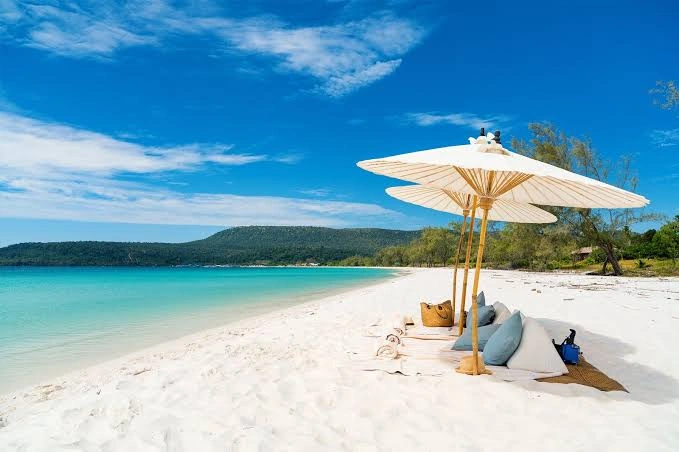
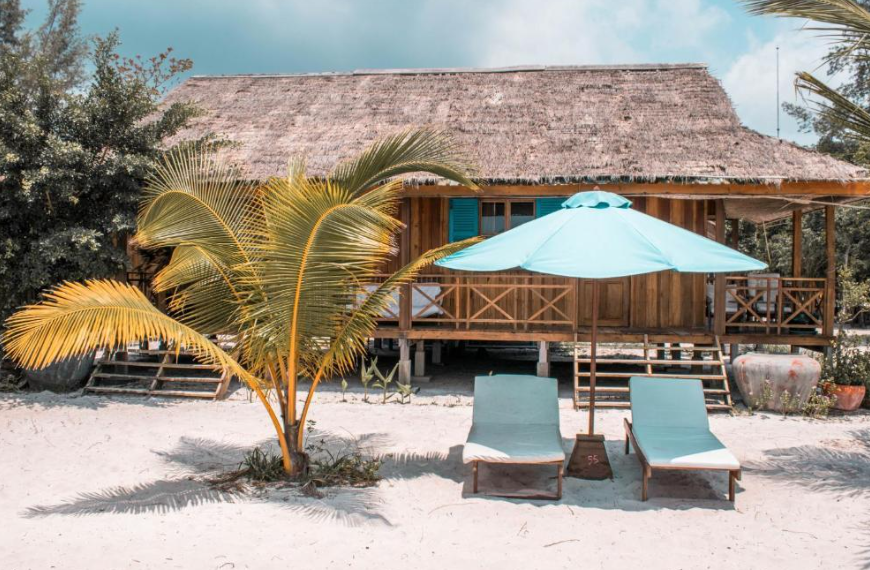
Koh Rong is often sold as a party island, but some of its best days involve very little activity. A hammock between two trees, a book, a cold drink and the sound of the tide can be enough. The challenge is choosing the right beach and preparing for the practical side of island life. A quiet day is wonderful when you have water, shade and a plan for getting back before dark.
This is not a guide to finding a perfect resort. It is a way to build a slow beach day that works around weather, insects, limited facilities and the distances between bays. The pace should be deliberately loose, but the logistics still need a little attention.
Choose the Right Kind of Beach
Koh Touch is the main arrival area and the most social part of the island. It has the widest choice of bars, shops and services, but it is rarely the best place for an uninterrupted hammock day. Long Set Beach and other quieter stretches offer more space, softer ambient noise and a stronger sense of escape. Some beaches are easy to reach by road or path, while others require a boat.
The best quiet beaches guide can help you compare access and atmosphere. Long Set Beach is a useful base for readers who want a long stretch of sand without staying in the busiest village. Check whether your accommodation has direct beach access and whether restaurants remain open during the low season.
If you only have one day, avoid crossing the island twice. Travel time, boat costs and heat can consume the hours you intended to spend resting. Choose one beach and stay there. A separate day can be used for a viewpoint, snorkeling or a boat trip.
Build a Slow Day
Start after sunrise, when the sand is cool and the water is often calm. Swim before breakfast or take a short walk along the shoreline. The middle of the day is for shade, a hammock, a book or a nap. Return to the water in the late afternoon, then find a simple dinner before the path becomes dark.
Do not schedule every hour. The value of a hammock day comes from having fewer decisions. Bring one book or download what you need before arriving. Island internet can be slow or unavailable, so offline entertainment is more reliable than a streaming plan.
Keep food and water within easy reach. Some beaches have a single restaurant or no service at all. Ask your guesthouse where the nearest open kitchen is and when it closes. If you are staying in a remote bay, carry enough water for the day and avoid depending on a shop that may shut without notice.
Heat, Shade and Sandflies
The tropical sun is strongest around midday, even when clouds make it feel milder. A hammock under trees provides shade, but the sun moves. Reposition rather than staying in one exposed spot. A light long-sleeve shirt, a hat and reef-safe sunscreen help, especially if you are swimming and sitting outside for hours.
Sandflies and mosquitoes can be active near vegetation and at dusk. Insect repellent, loose clothing and a light layer after sunset make the evening more comfortable. Do not scratch bites, and keep any open cuts clean. If you are sensitive to insect bites, ask your accommodation which sections of the beach tend to be worse.
Rain can arrive quickly during the green season. Protect electronics in a dry bag and move under a solid roof rather than a flimsy beach umbrella. A storm may also bring stronger waves and debris. Stay out of the water if the sea looks rough or locals advise against swimming.
Swimming and Water Safety
There are no lifeguards on most Koh Rong beaches. Swim near other people, stay within your ability and avoid going far from shore. Currents, rocks and hidden debris can be difficult to see from the beach. Ask staff about the safest section and whether the tide changes the swimming area.
Do not swim alone after drinking or at night. A calm bay in the morning can become choppy later in the day. If you are snorkeling, use a mask that fits and stay aware of boats moving through the area. Do not stand on coral or chase marine life.
The snorkeling guide explains what to expect from organized trips. For a hammock day, a short swim close to shore is usually enough. Bring a dry bag for your phone and leave valuables at your accommodation rather than on the sand.
What to Pack
Use a soft bag rather than a hard suitcase if you are moving between beaches by boat. Pack water, insect repellent, sunscreen, a hat, a light rain layer, a power bank and a headlamp. Cash matters because ATMs are limited and card payment is not universal. Keep small notes for drinks, meals and boat transfers.
Footwear should work on sand and rough paths. Flip-flops are fine around a resort, but a pair of sandals with straps is more useful for a walk to a neighboring beach. A reusable bottle reduces waste if you have a safe place to refill it. If you need medication, bring enough from the mainland and keep it in a waterproof container.
Wi-Fi and mobile data are unreliable in many bays. Download maps, messages, music, tickets and reading material before you leave the mainland. Tell someone where you are staying if you plan to move to a remote beach. A short text before the connection drops prevents unnecessary worry.
Choosing Accommodation for Rest
Read the location carefully. A beachfront bungalow may be quiet, but the nearest food could be a long walk away. A room near a bar may be convenient and loud until late. Ask about generator hours, air-conditioning, mosquito nets, bathroom style and whether the property offers boat pickup.
The Koh Rong budget hotels guide can help you compare basic stays without expecting mainland hotel standards. For a long hammock stay, prioritize shade, ventilation, drinking water access and a comfortable place to sit. Luxury is less important than a room that stays cool and dry.
Tides and Swimming Windows
The tide changes the island more than most visitors expect. At low tide, the water pulls back a long way on some beaches and the sand near the shore may be shallow and warm. At high tide, the same spot can be deep enough to swim within a few steps of your hammock. Neither is better; they just suit different plans.
Swim near high tide when the water is comfortable, and treat the falling tide as a cue to walk the exposed sand instead. Tidal movement also reorganises what you find, with shells, small crabs and shallow pools appearing in the hours around the lowest point of the day. Ask your accommodation when the tide turns, because charts differ between bays on the same island. If you plan to swim, do it in daylight and in view of other people. Currents around headlands can be stronger than they look from the sand, and there is no lifeguard on most Koh Rong beaches.
Food, Water and Supplies
Beach days work better with a small plan for food and water. Resort restaurants feed guests well but usually at island prices, and the nearest shop may be a long, hot walk away. Buy water before you settle in for the day rather than rationing a single bottle until evening.
A few snacks in your bag solve most afternoon problems. Fresh fruit, biscuits and a refillable bottle cover the gap between a late breakfast and dinner. If your accommodation offers refillable water, use it and cut down on plastic. Carry cash in small notes, because card payment is uncommon in the bays away from the main village and some places add a surcharge or refuse cards outright. Tell your accommodation in advance if you will want dinner, since small kitchens cook for a limited number of guests and may need notice.
A Better Island Pace
Give yourself at least two full beach days if rest is the goal. One day is often lost to ferry travel, and the return journey can be affected by weather. A flexible buffer makes the island feel slower and protects you from a missed connection.
Pair a quiet beach day with one active day for a jungle viewpoint walk or a boat trip. The contrast makes both experiences better. Then return to the hammock with no obligation to chase another attraction.
The Koh Rong travel guide can help you plan the wider island route. A good hammock day is not empty time. It is a deliberate pause from transport, screens and schedules, supported by enough preparation to make the quiet comfortable.