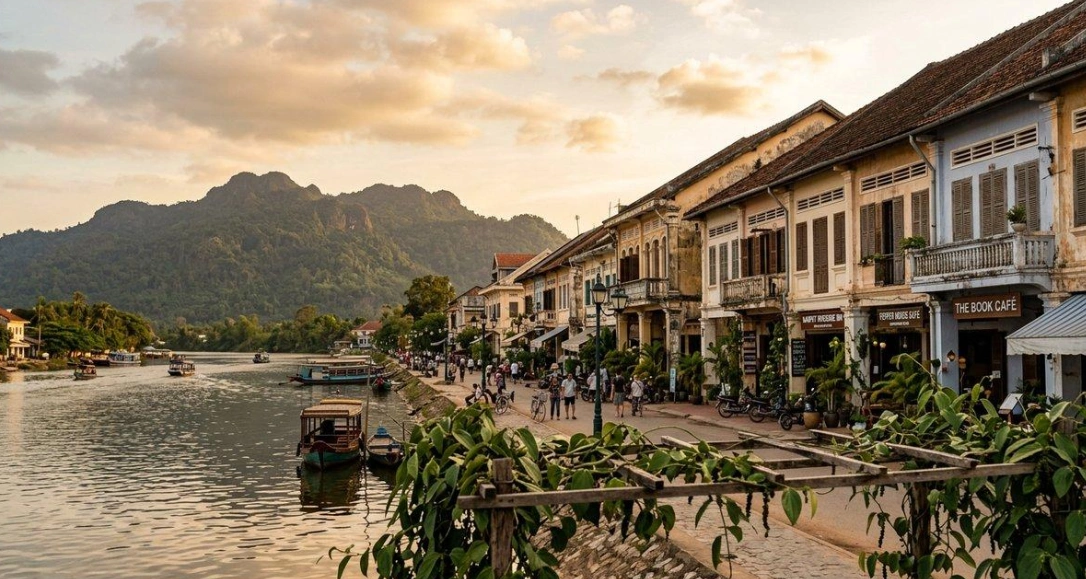

I thought Kampot pepper tours would be a twenty-minute gift shop with vines in the background. Instead I spent a morning tasting green peppercorns that explode like citrus, learning why chefs pay premium for terroir most travelers cannot spell, and walking rows of vines on red soil while a guide explained harvest months in plain language. Kampot pepper is not a souvenir gimmick — it is a PDO-style pride product in a town that knows its river is slow and its spice is serious.
Why Kampot Pepper Matters
Kampot province's climate and quartz-rich soil produce pepper with distinctive aroma — floral, bright, sometimes almost lime-like when fresh. Green pepper (undried) appears in crab dishes along the coast; black and white dried pepper travel home in suitcases. Farm tours connect taste to place — you understand why restaurant menus name-check Kampot the way wine lists name valleys.
Choosing a Farm Visit
Several farms welcome visitors — La Plantation and smaller family operations among them. Differences:
- Tour depth — some are polished multilingual visits; others are informal walks with owners.
- Transport — included van vs self-ride scooter on dirt access roads.
- Tastings — pepper, salt blends, sometimes other crops.
Booking ahead helps in peak season; low season sometimes allows morning walk-ins. Half-day tours from riverside hotels often bundle one farm + countryside without you driving.
What Happens on a Typical Tour
Expect a vineyard-style walk — pepper vines on poles, explanation of green vs black processing, drying tables, storage. Tastings are the heart: crush black pepper, try green, compare white. Guides often explain fake pepper risks in markets — useful education before you buy random bags in Phnom Penh airports later.
Shops on site sell sealed products at fair prices; shipping may be available for larger orders. I buy small vacuum packs for cooking and one gift tin — not a suitcase of weight.
Pepper Types Explained (So Tastings Make Sense)
Green peppercorns — harvested unripe, often brined or frozen; bright, almost herbal burst; classic with crab and fresh sauces. Black pepper — sun-dried mature berries; the everyday Kampot punch you know from restaurants. White pepper — skin removed before drying; earthier, sharper in soups and pale sauces. Red pepper — fully ripe, rarer, sweeter edge.
On a good tour you taste the difference side by side instead of guessing in a market. Guides often explain why altitude and quartz soil change aroma — not marketing fluff when you smell it fresh.
Farm Comparison (What to Ask Your Guesthouse)
- La Plantation — polished, multilingual, good for first-timers wanting structure.
- Smaller family farms — less showroom, more dirt on shoes, sometimes the best conversation.
- Combined salt field stops — some half-days add Kampot's coastal salt pans for contrast.
After the Tour: Cooking and Gifts
If you cook at home, buy whole peppercorns and grind fresh — the difference is obvious within a week. For gifts, small labeled tins beat anonymous plastic. Airlines tolerate reasonable quantities in checked bags; declare food if your country requires.
Restaurants in Kampot and Kep name-check Kampot pepper on menus — order pepper crab in Kep and you close the loop from vine to plate without carrying luggage.
How Much Time to Allow
1–2 hours on farm plus 30–45 minutes each way from Kampot riverside. Morning tours beat afternoon heat on open fields. Pair with lunch back in town — crab market an hour away near Kep is a classic add-on if energy remains.
What to Buy (and Skip)
Buy:
- Sealed black pepper from named farm.
- Small green pepper jars if you cook Asian food at home.
- Salt-pepper blends if luggage space is tight.
- Unlabeled bulk bags with no origin story.
- More weight than you will use in two years — pepper is potent.
Fitting Pepper Into a Kampot Week
- Day 1 riverside settle — no tours, just river rhythm.
- Day 2 pepper morning — education and shopping.
- Day 3 Bokor plateau — climate contrast.
- Day 4 toward islands — ferry toward Long Set Beach with gifts packed.
Honest Take
If you do not cook and do not gift food, a short tasting still works — sensory travel is valid. If you hate agritourism, skip and eat pepper crab in Kep instead — you still taste the product without the rows.
Morning Tour Timeline (Riverside to Rows)
- 8:00 AM — Coffee on the river; confirm tour or scooter route with guesthouse.
- 8:45 AM — Depart; countryside opens; salt fields sometimes visible on combo tours.
- 9:30 AM — Arrive farm; walk vines with guide; ask about harvest month honestly.
- 10:00 AM — Tasting flight — green, black, white; take notes if you cook seriously.
- 10:45 AM — Shop sealed products; resist buying bulk you will not carry.
- 11:30 AM — Return riverside; lunch with pepper on everything.
Cost Expectations (USD Cash)
Figures shift; budget with small bills:
- Farm tour — often $5–15 USD per person entry/tasting; premium farms higher with lunch add-ons.
- Guesthouse half-day van — $10–20 USD per person with minimums; negotiate if solo.
- Scooter self-ride — rental $5–8/day; fuel pennies; GPS sometimes lies on dirt access — screenshot map at WiFi.
- Products — $8–20 USD per quality vacuum pack; gift tins $5–12.
How to Spot Real Kampot Pepper Later
Guides on good farms explain PDO-style origin labeling — look for farm name, harvest year, sealed packaging. Avoid anonymous market bags in bus stations with no traceability.
Green pepper in brine spoils faster — buy sizes you will use in months. Black peppercorns whole last years in a grinder. Red is special occasion cooking, not daily grind.
Smell before you buy — Kampot pepper has floral-citrus lift when crushed fresh; flat dusty aroma suggests age or blending with lower-grade stock.
Kampot Week With Pepper at the Center
Day 1 — Arrive riverside; sunset kayak optional.
Day 2 — Pepper farm morning; old town walk afternoon.
Day 3 — Bokor plateau cool air.
Day 4 — Cave temple half-morning; pack for islands.
Day 5 — Ferry toward Long Set — pepper tins in dry bag.
Pepper is the taste thread tying inland Kampot to coastal crab plates — even if you never cook, you will notice the name on menus differently after walking the vines.
Who Should Skip Farm Tours
Pure beach-only travelers rushing to Koh Rong in 48 hours. Anyone allergic to sun on open fields without shade breaks. Travelers who find agritourism patronizing — eat the product in restaurants instead.
If you already bought farm pepper on a previous trip, a short revisit tasting may suffice unless a new harvest season interests you.
Common Mistakes
- Booking zero farms in peak season — walk-ins fail when vans full.
- Buying maximum luggage weight — pepper is dense; one kilo feels like three.
- Skipping tasting before purchase — you might prefer white over black for your cooking style.
- Same-day Bokor plus farm plus cave — Kampot is slow; honor that.
- Forgetting cash — farms rarely card.
Kep Crab Lunch After the Farm (Classic Add-On)
Many half-day tours end near Kep crab market — pepper on fresh crab closes the terroir loop. Allow 45 minutes extra for lunch if your van driver agrees; $8–15 USD per crab plate depending on size and season.
If you skip Kep, riverside Kampot restaurants still showcase pepper — order consciously and taste the difference from generic black dust.
Shipping and Customs Reality
Farms sometimes offer international shipping for bulk orders — overkill for backpackers. For carry-on, sealed 100–200g packs pass most casual customs checks; declare if your home country requires food declaration.
Glass jars of green pepper brine leak in luggage — double-bag or buy dried styles for flights toward Koh Rong boat transfers.
Rainy Season Farm Visits
Green season mud on access roads — scooter riders dismount and walk final hundred meters sometimes. Tours still run; tastings move under cover; vines look neon green.
Bring sandals for washing feet after rows — red dirt stains everything.
Solo Traveler Without Tour Van
Rent scooter in Kampot, ride to farm mid-morning, self-guided walk if farm allows — confirm ahead. Cheaper than van minimums for one person; less commentary unless you hire on-site guide $5–10 USD.
Pair afternoon riverside hammock — pepper is half-morning max for attention span.
Kampot pepper farms turn a spice rack item into story and place — the kind of hidden-gem experience that is not dramatic on camera but changes how you eat for years after.