
One bag sounds appealing until a long trip requires a proper laptop bag, a comfortable daypack, and a little extra space for groceries or unexpected purchases. My three-bag system solves that problem without turning every move into a major operation.
The idea is not to carry more. It is to give each bag a clear role so the main load stays manageable.
Bag One: The Carry-On
The largest bag holds clothes, shoes, and anything I do not need during the flight. It is usually a soft backpack or small wheeled bag that fits in the overhead bin.
I keep this bag simple. A few packing cubes make it easier to find clothes without emptying the whole space.
Bag Two: The Laptop Daypack
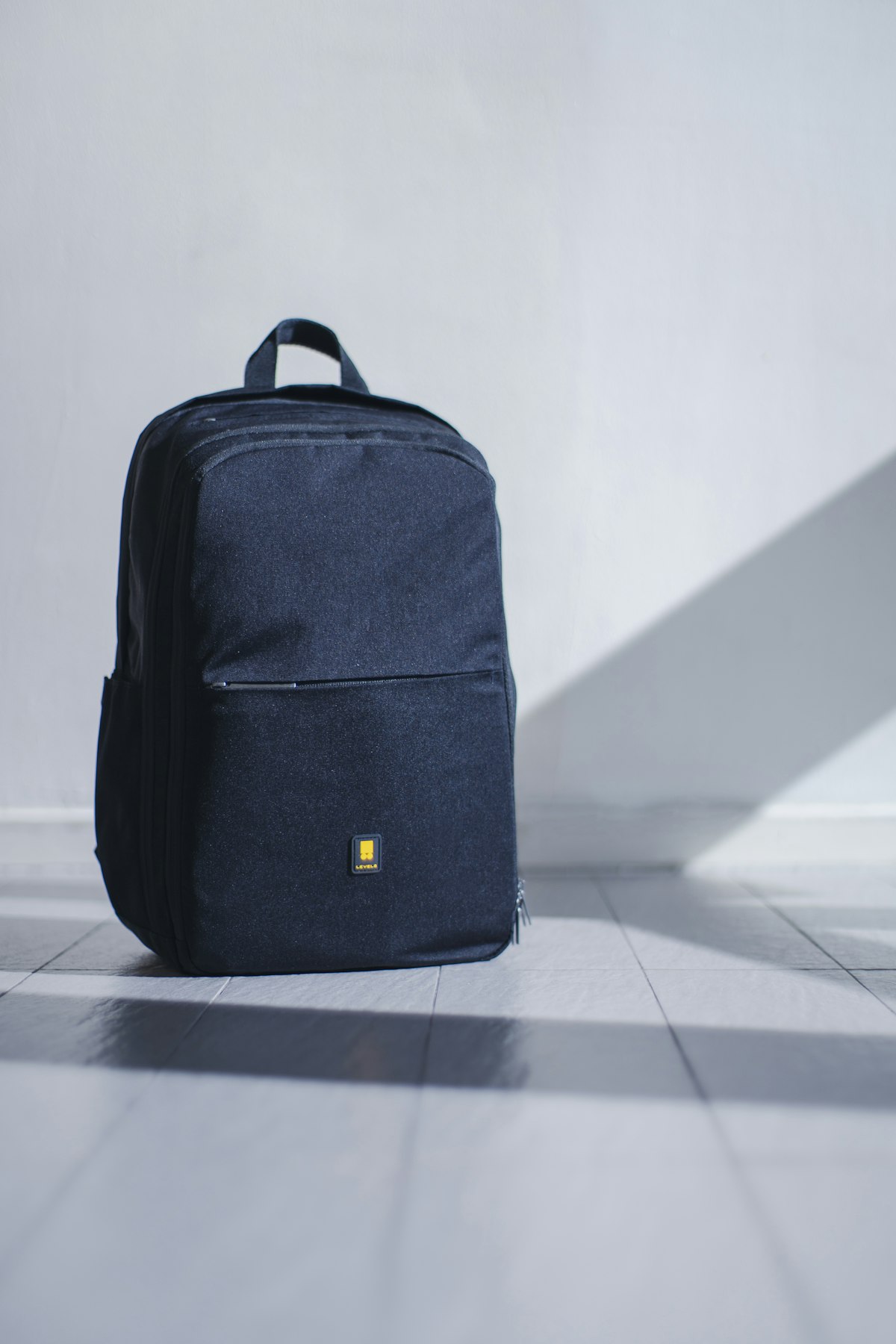
The daypack carries the laptop, charger, documents, and a small pouch for daily items. It is the bag I use most often after arriving.
The daypack should fit under the seat in front of me. That keeps the laptop close during a flight and gives me a useful bag for cafes, coworking spaces, and short trips.
Bag Three: The Packable Bag
The third bag is small and light enough to disappear when not in use. It serves as a grocery bag, beach bag, or extra carry-on when the main bag is full.
I choose one with a simple shape and a zipper. It should pack into its own pocket or fold flat without adding much weight.
How the System Works
On travel days, the carry-on goes overhead and the daypack goes under the seat. The packable bag stays inside one of the larger bags until I need it.
This setup means I never have to choose between bringing a laptop bag and having room for a jacket or a small souvenir.
Packing the Carry-On
I pack only enough clothes for about a week, then plan to do laundry. That keeps the main bag lighter and leaves room for a few purchases.
Shoes go in a separate pouch to keep dirt away from clean clothes. Chargers and cables live in a small organizer rather than floating loose.
Packing the Daypack
The daypack contains the items I might need at any moment: laptop, passport, medication, snacks, a water bottle, and a thin layer for cold transport.
I do not fill the daypack to capacity. A little extra room makes it easier to grab something quickly and to carry a light jacket when the weather changes.
The Airport Routine
At security, the laptop comes out of the daypack without disturbing the main bag. At the gate, the small packable bag can hold a jacket or food bought after check-in.
This routine reduces the last-minute scramble that comes from having too many items spread across too many bags.
Is It Worth the Extra Bag?
For me, yes. The system is more flexible than a single bag and lighter than a full suitcase setup. The key is keeping the packable bag truly small.
One bag can still work for a short, simple trip with no laptop-heavy work. The three-bag system becomes more useful when the trip is long enough to include multiple kinds of days.
Airline rules change, so check the personal-item size for your specific ticket. The daypack should be small enough to fit under the seat even when the main bag is full.
Packing cubes inside the carry-on make the system easier to reset between locations. The goal is to spend less time repacking and more time enjoying the place.
The system also reduces decision fatigue. Each item has a home, so you are less likely to leave a charger behind or spend ten minutes searching for a passport.
When moving between accommodations, pack the daypack last and unpack it first. That keeps the items you need immediately separate from the clothes and gear that can wait.
Over time, the system becomes automatic. You stop thinking about how many bags to bring and focus instead on what actually belongs in each one.
The packable bag should stay small enough that you actually use it. If it becomes a second full backpack, the system turns into extra luggage instead of extra flexibility.
When moving often, keep a small packing list on your phone. The list does not need to be long, but it helps prevent the feeling that something important was left behind.
The three-bag system is not about carrying more things. It is about giving each category of item a predictable place.
A useful test is to pack the three bags as if you are already moving, then walk from the front door to the street and back. If the carry-on feels awkward with the daypack, adjust the order or the way the straps sit before relying on the system at the airport.
For related choices, see the best backpacks for digital nomads and the digital nomad essentials.