A small travel bag looks organized on the day you pack it. A week later, the clean shirts are mixed with worn ones, one pair of socks has vanished, and the item you need is always at the bottom. The bag has not become smaller. Your daily habits have simply caught up with it.
After enough long stays, I stopped trying to pack perfectly and started designing a bag that would be easy to reset. These are the clothing habits that keep one bag livable beyond the first few days.
A small bag gets messy slowly
The first sign of a packing system failing is usually not a dramatic spill. It is a clean shirt folded into the same compartment as a damp towel. It is a charging cable pulled through the sleeve of a dress. It is a dirty sock left loose beside a notebook.
Those small choices repeat every day. By the end of a week, the bag no longer has a clear shape. Every item is technically inside, but nothing has a predictable place. I used to respond by repacking from scratch, which felt productive but never fixed the cause.
What worked better was giving each category a permanent zone. Fresh clothes, worn clothes, laundry, and things I use every day should not compete for the same space. Once those zones are stable, a quick five-minute reset is enough to bring the bag back to a workable state.
The packing cube layout I now use
I keep clothes in two layers rather than one large cube. One layer is for the items I wear most often: a couple of shirts, shorts or trousers, and underwear. The other is for the items I use less frequently, such as a warmer layer, swimwear, or a nicer outfit.
The everyday layer sits where I can reach it without unpacking everything. The backup layer can stay compressed until needed.
I also divide by shape rather than by item count. Socks and underwear fill the gaps around folded shirts. A rolled item can sit along the edge of a cube. The goal is not a perfect rectangle. It is a bag that closes without forcing the zipper and still lets me find one shirt without pulling out four others.
A place for clothes that are not clean or dirty
The hardest category is the in-between clothes: the shirt worn for an afternoon, the shorts that may last another day, or the layer kept out because the bus will be cold. If they have no place, they end up on a chair or loose in the bag.
I use a small mesh pouch for those items. It is separate from the clean cube and easy to spot. At the end of the day, I decide whether the item goes back into the clean section, into the laundry bag, or into the next day's pile. That decision takes seconds when the categories already exist.
This is also why I no longer pack every item into a compression cube. Some clothing needs air, especially after a humid day. A mesh area for the in-between layer helps the bag stay drier and makes the next morning simpler.
Laundry planning starts before the bag is full
Laundry is part of the packing system, not an interruption to it. If I wait until almost everything is dirty, I spend a day wearing the least comfortable clothes and carrying a laundry bag that has become the heaviest item in my pack.
I now wash a small load when I have enough for one machine, or hand-wash a few quick-dry pieces when a sink is available. On long stays, a local laundromat is usually easier than trying to keep every item clean at once. The bag stays lighter because clothes move through the system instead of accumulating.
I keep a thin laundry bag in an outer compartment. It is not waterproof, but it separates worn items from everything else and makes the dirty load easy to carry. When the bag is full, that is my signal to plan laundry rather than buy more clothes.
Make the most-used layer easiest to reach
My small travel bag works best when the most-used items live near the opening. That usually means one light shirt, one pair of shorts or trousers, and the layer I wear for buses or air-conditioned cafes. These are the clothes I touch every day, so they should not be buried beneath the backup layer.
I also use a very simple rule for the week: if I have not worn an item by the third or fourth day, it either belongs to a specific plan or it was not needed. That does not mean I throw it away. It means I stop treating it as part of the daily rotation and give the space to something that gets used.
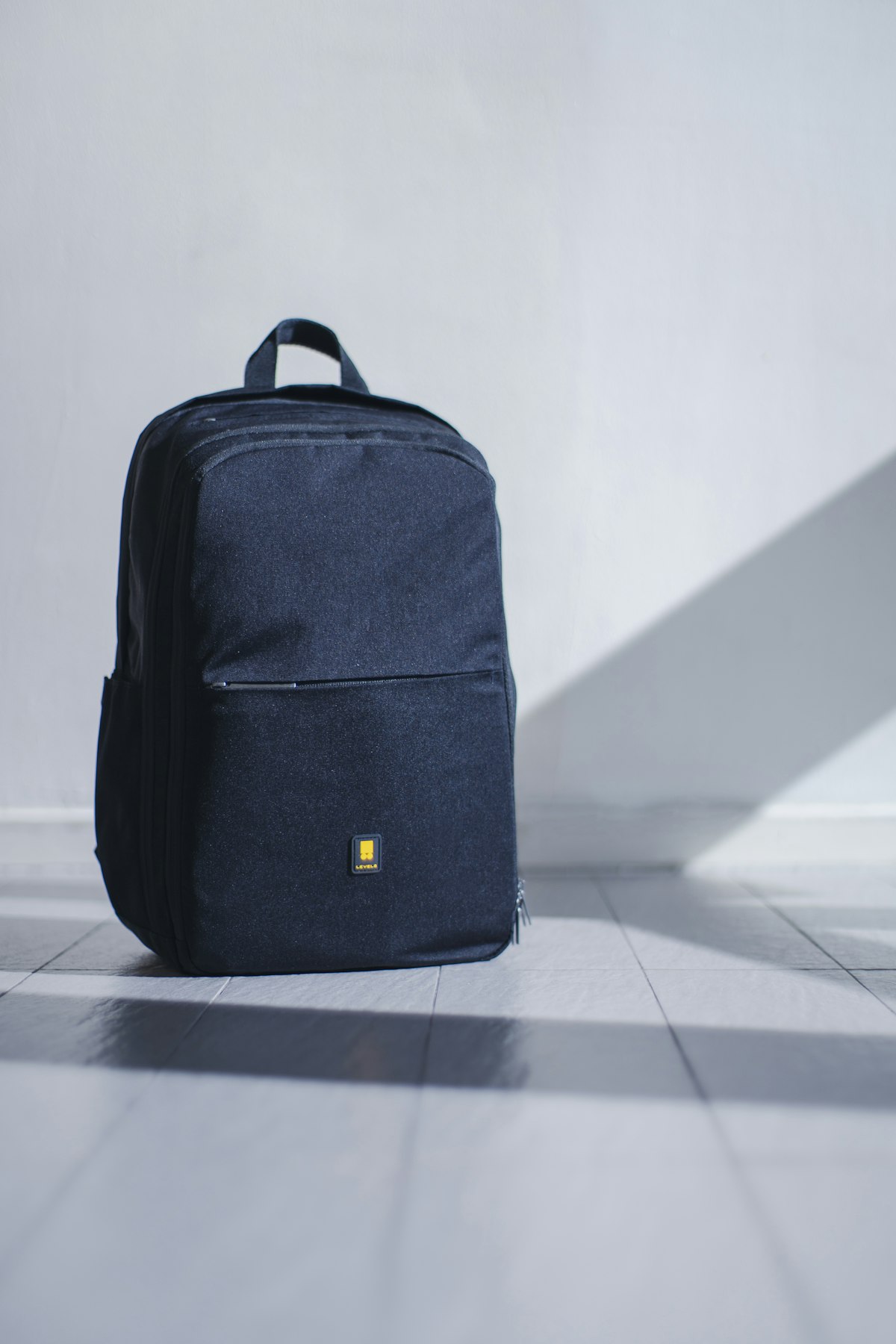
The 28L backpack I switched to taught me this lesson better than any larger bag. Less volume forces the layout to reflect real life, because there is no extra space to hide unclear decisions.
Tropical fabrics need different folding rules
In hot, humid places, I avoid building a tight brick of heavy clothing. Linen, quick-dry blends, and light cotton dry faster and compress differently from denim or thick technical fabric. They also feel better when the bag has been closed all day.
I fold smooth items flat and roll softer ones to fill gaps. If something creases easily, I put it on top of the cube rather than at the bottom. If I know I will wear it within a day, I often leave it in the mesh section instead of packing it away.
The fabric mix also affects how much I bring. Two quick-dry shirts that can be washed and worn again are more useful than four heavier shirts that stay damp. That is the difference between packing for a photograph and packing for a week of real weather.
Small changes that helped me live from one bag
The biggest improvement was not a new cube. It was assigning a fixed pocket to small clothing accessories. Socks, underwear, a sleep shirt, and a swimsuit each have a home. When those small items are predictable, the main cube stays calm.
I also keep one empty space in the bag. It may hold a market purchase, a wet shirt, or a snack for a travel day. A bag packed to its absolute limit has no room for real life, and real life always adds something.
Finally, I stopped folding clothes for the trip I imagined and started folding for the morning routine I actually have. If I usually get dressed quickly, the first layer needs to be visible. If I often do laundry in a sink, quick-dry items need to be easy to pull out. Organization should follow behavior, not a packing video.
How I reset the bag every week
Once a week, I empty the clothing area and sort it into clean, worn, and laundry. I refold anything that moved during transport and check the bottom for small items that escaped their pouch. Then I put the everyday layer back first.
The reset takes less time than searching for a missing sock every morning. It also shows me what I have not used. If a piece of clothing has stayed at the bottom through two resets, I think carefully before carrying it to the next city.
That habit is especially useful during a long stay in Chiang Mai, where laundry is easy to find and the weather changes between hot afternoons and cooler evenings. The bag does not need to hold every possible outfit. It needs to support the way I live that week.
What I would do differently next trip
I would bring fewer "just in case" clothes and one better laundry bag. I would keep the everyday layer even easier to reach, and I would choose fabrics based on how quickly they dry rather than how neatly they fold.
I would also pack with the three-month Southeast Asia list I actually used nearby, not to copy it exactly, but to remember that a smaller system works when each item has a job. The final goal is not a perfectly packed bag. It is one that stays easy to live from after the first week.