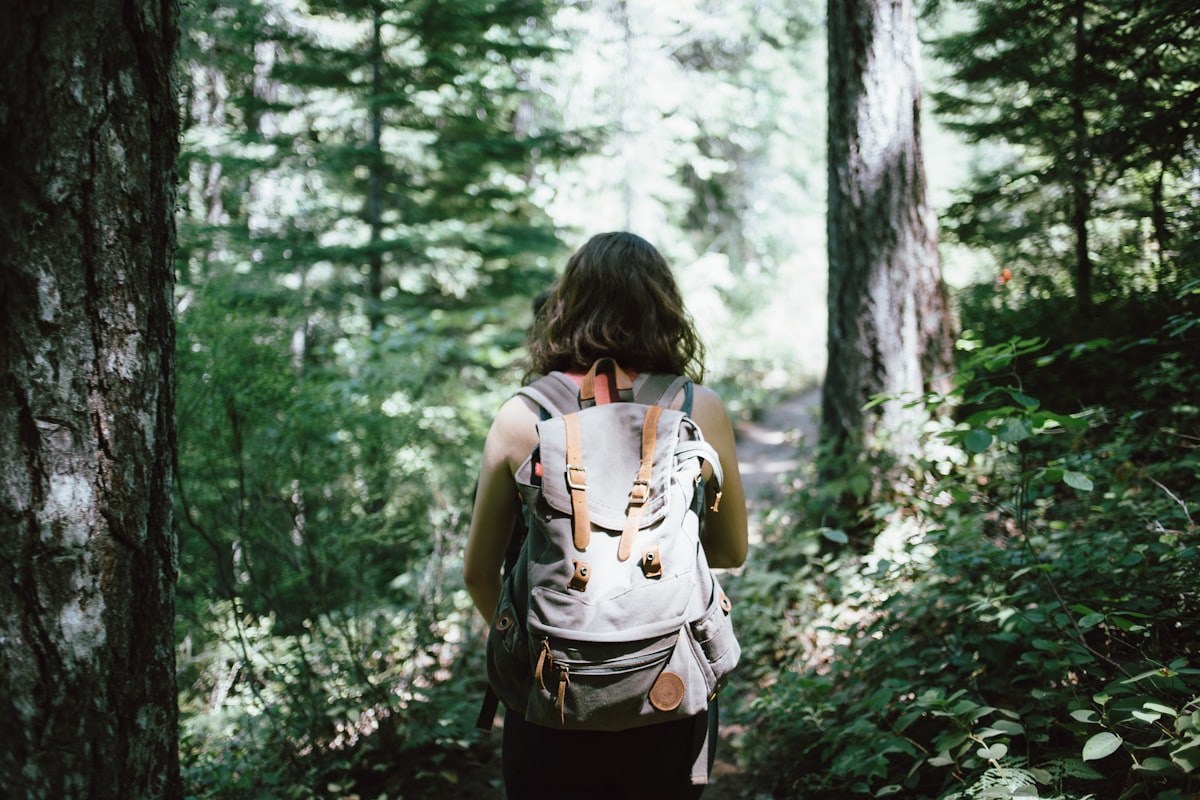
The best backpack for a digital nomad is not the one with the longest feature list. It is the bag that fits your carry style, protects your laptop, and stays comfortable through a long transit day.
After years of switching between travel bags, I have learned to focus on a small number of details that matter more than brand names.
Carry-On Size First
Start with the airline size limits you use most often. A bag that is too tall or too deep can become a problem at the gate, even if it holds everything.
Choose a bag that fits your normal carry-on allowance with a little room to compress. Do not assume every airline will accept the same dimensions.
Laptop Access
Look for a separate padded compartment that opens without unloading the main bag. That is especially useful at security checks and in cramped airport seats.
The laptop should sit against your back rather than near the front of the bag. This keeps the heaviest item stable and reduces the feeling of the bag pulling away from you.
Comfort and Carry
The shoulder straps and back panel matter more than the fabric when the bag is full. Padded straps, a sternum strap, and a hip belt all help on longer walks.
Before buying, load the bag with your real gear and walk around. A bag that feels fine empty can become uncomfortable with a laptop and charger inside.
Organization Without Overdoing It
Too many compartments can make packing harder. You want a clear main space, a laptop section, and a few smaller pockets for cables and documents.
Avoid bags that split every item into its own tiny pocket. Those designs look useful but make it harder to find things in low light.
Material and Weather
A water-resistant shell helps in sudden rain, but it is not a guarantee. A separate rain cover or dry bag is still useful for a laptop and passport.
Look for durable zippers and reinforced stress points. Those are often the first parts to fail on a bag that gets used every day.
Security and Daily Use
A bag with lockable zippers and a hidden pocket can reduce small risks, but no bag is completely secure. Keep important items in a spot you can reach without opening the main space.
For daily cafe work, a slightly smaller bag is often easier to manage than a full travel pack.
Choosing the Right Size
If you travel with camera gear or a second laptop, choose more volume. If you mainly need a laptop and a few essentials, a 25 to 35 liter bag is easier to live with.
The right size is the one that carries your actual load without forcing you to check a bag.
Before buying, use a simple checklist: carry-on size, laptop fit, shoulder comfort, water resistance, and enough internal structure for your normal cables and documents.
Packing cubes help more than extra compartments. They keep clothes grouped and make it easier to pull one item out without turning the whole bag inside out.
Check the warranty and repair policy, especially for zippers and buckles. A good bag should be repairable rather than disposable after one long trip.
The ideal bag also depends on how you travel. A bag that works for taxis and apartments may be wrong for someone who regularly takes budget buses or walks long distances from a train station.
Test the bag with the heaviest item you carry, not an empty load. A laptop, charger, water bottle, and small camera can change the balance and comfort completely.
Do not buy a bag only because it photographs well. The details you feel after twenty minutes of carrying matter more than the way it looks in a product shot.
The zipper layout also affects how the bag feels in a crowd. A bag that opens from the back can feel more secure, while a front-loading design may be easier to pack.
If you carry a camera, look for a bag with a padded insert or enough structure to protect it without adding a second case. Cameras and laptops should not rattle against each other.
The right bag is a long-term tool, not a fashion statement. Prioritize durability and comfort, then let the style follow.
When comparing bags, pack the same test load into each one and wear it for ten minutes with one shoulder, then with both. The way a bag shifts when you bend or reach for a passport reveals more than a spec sheet. If the harness digs in or the laptop compartment bulges, choose a different shape even if the brand is popular.
Pay attention to the handle and grab points too. You will lift the bag into overhead bins, off buses, and through narrow doors more often than you expect.
For more packing advice, see the three-bag system and the digital nomad essentials.