Moni is a small village in the highlands of central Flores, and for most travellers it exists for one reason: it is the closest place to stay before the Kelimutu crater lakes. That practical role undersells it. Moni sits in cool air at altitude, surrounded by rice fields, coffee gardens and steep green hills, and it is one of the few places in Flores where you might actually want a jacket in the evening.
If you have the time, Moni is worth more than a single overnight stop. It is a quiet, walkable place with a handful of homestays, a couple of simple restaurants, and a landscape that rewards slow exploring on foot.
Where Moni Is
Moni sits in the highlands of central Flores, roughly an hour from the town of Ende and a few kilometres below the Kelimutu entrance. The Trans-Flores highway passes nearby, which is how most people arrive, whether by shared car, private driver or the long-distance bus.
The altitude is the thing to notice first. After the heat of Labuan Bajo, the cool air feels like a different island. Evenings can be genuinely cold, so pack a layer you would not otherwise bring to Indonesia.
Getting There
Most travellers reach Moni from Labuan Bajo in the west or Ende in the east. From Labuan Bajo the drive is long, often six hours or more on winding mountain roads, so many people break the journey at Bajawa or Ruteng. From Ende the drive is much shorter and easier.
There is no practical train or short flight to Moni itself. The usual options are a private car with a driver, a shared car arranged through a guesthouse, or a public bus along the Trans-Flores route. Share your plan with your accommodation, because they can usually arrange a pickup or tell you which bus to take.
The Reason Most People Come: Kelimutu
Kelimutu is a volcano with three crater lakes that sit side by side, and the water in each lake shifts colour over time, from deep blue to green, brown or black. The colours are caused by minerals in the water, and they change unpredictably, which is part of what makes the site famous.
Most visitors go for sunrise, leaving Moni in the dark and driving up to the entrance, then walking the last stretch to the viewpoints. The Kelimutu crater lakes guide covers the walk and the viewpoints in detail, and the Kelimutu sunrise drive guide covers the logistics of the early start.
You can also visit later in the day, when the crowds thin and the light is different. Sunrise is popular for a reason, but a mid-morning visit is calmer and often just as good.
A Slow Day Around Moni
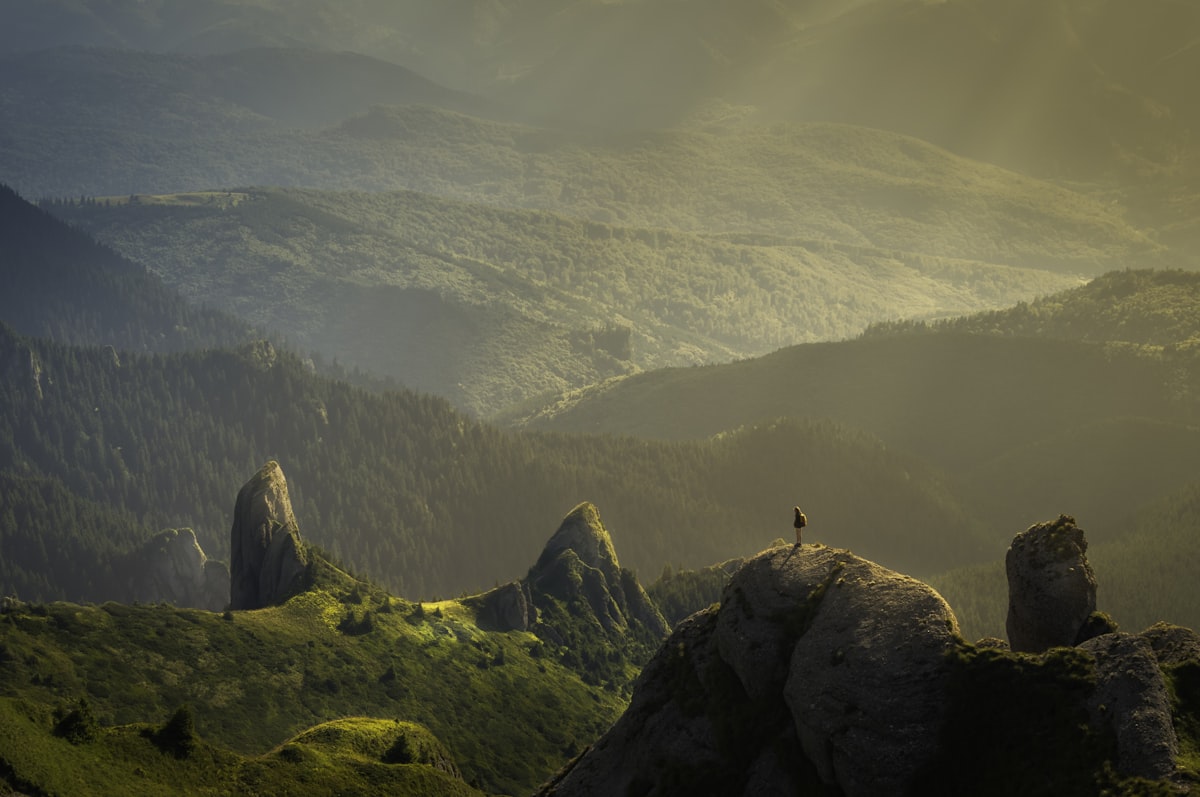
The best day in Moni does not involve a vehicle. Walk out of the village along the lanes that cut through the rice fields and follow them as far as you feel like going. The paths are used by farmers and schoolchildren, and the views back toward the village and up toward the mountain are better than anything in the town center.
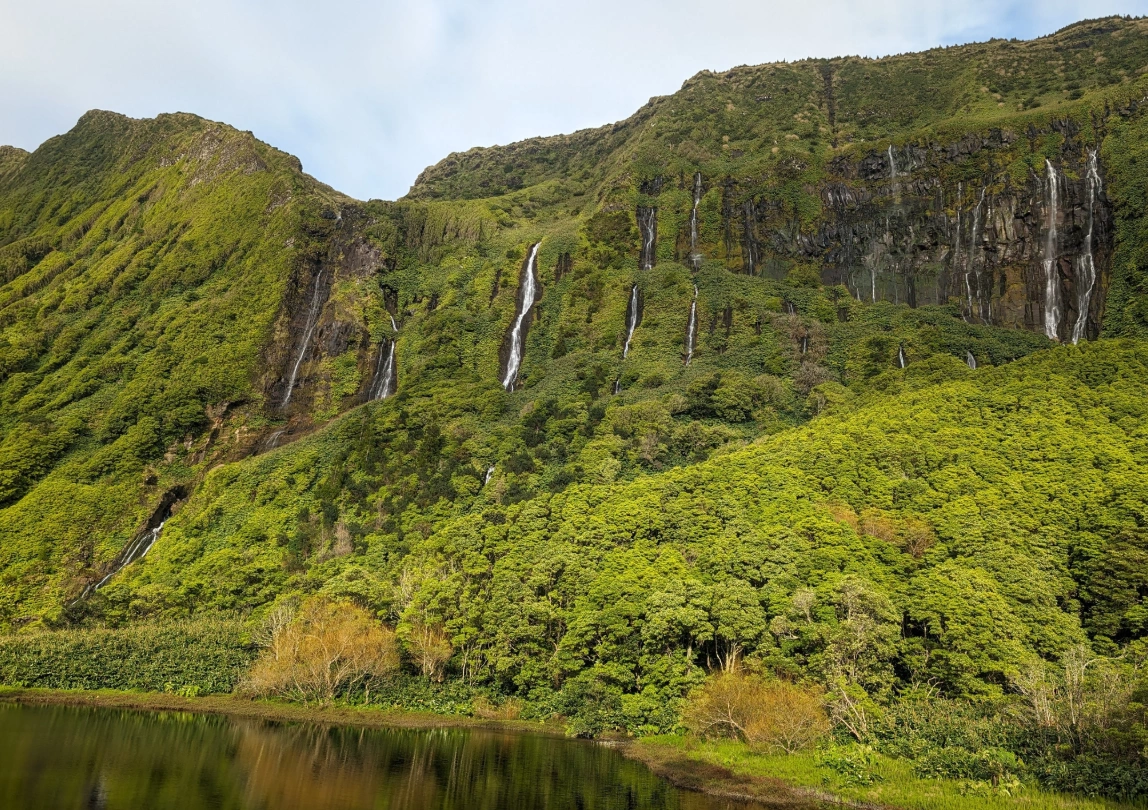
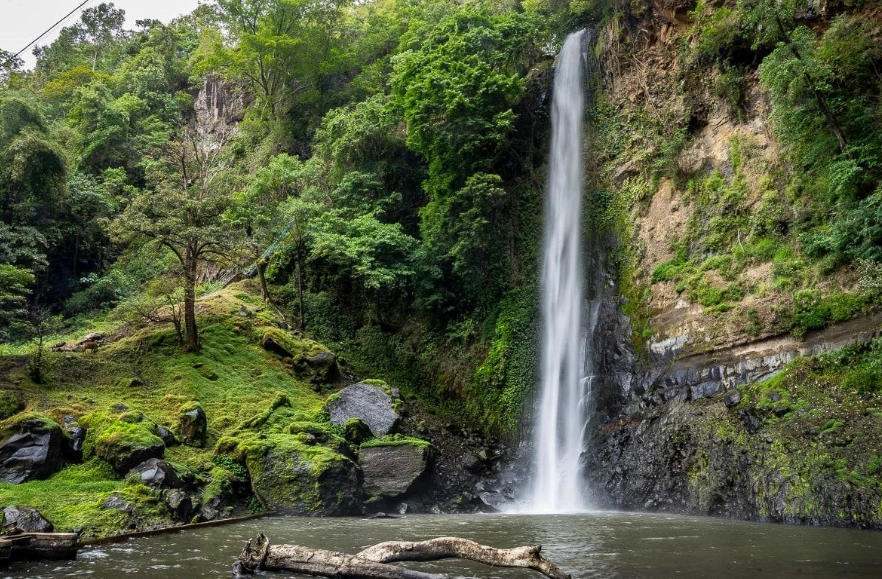
Two waterfalls sit close to Moni, and both are reachable on foot or with a short ride. The walk to them passes through coffee gardens and smallholdings, and the water is cold enough to be a genuine shock after the coast.
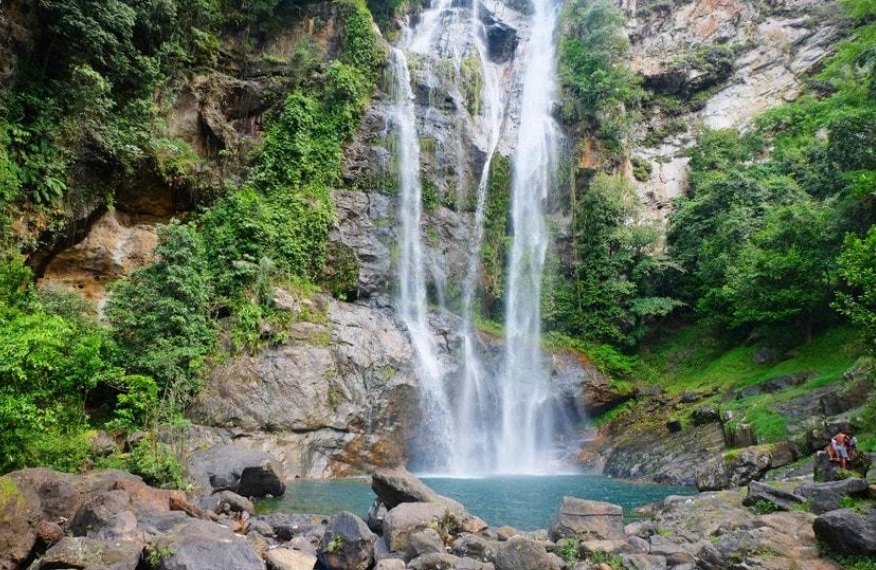
The first of the two is the shorter walk and the easier swim, with a pool at the base that is inviting on a warm afternoon. The second is steeper and prettier after rain, and the path to it climbs through gardens before dropping into the trees.
In the afternoon, sit in one of the small restaurants and drink a local coffee while the clouds move across the ridge. The pace here is slow by design, and there is no reason to rush it.
Coffee and Rice Fields Around Moni
The highlands around Moni grow coffee, and the gardens you pass on the lanes out of the village are working smallholdings rather than scenery. The bushes are short and dense, and depending on the season you will see either green cherries or the red ones that are ready for picking.
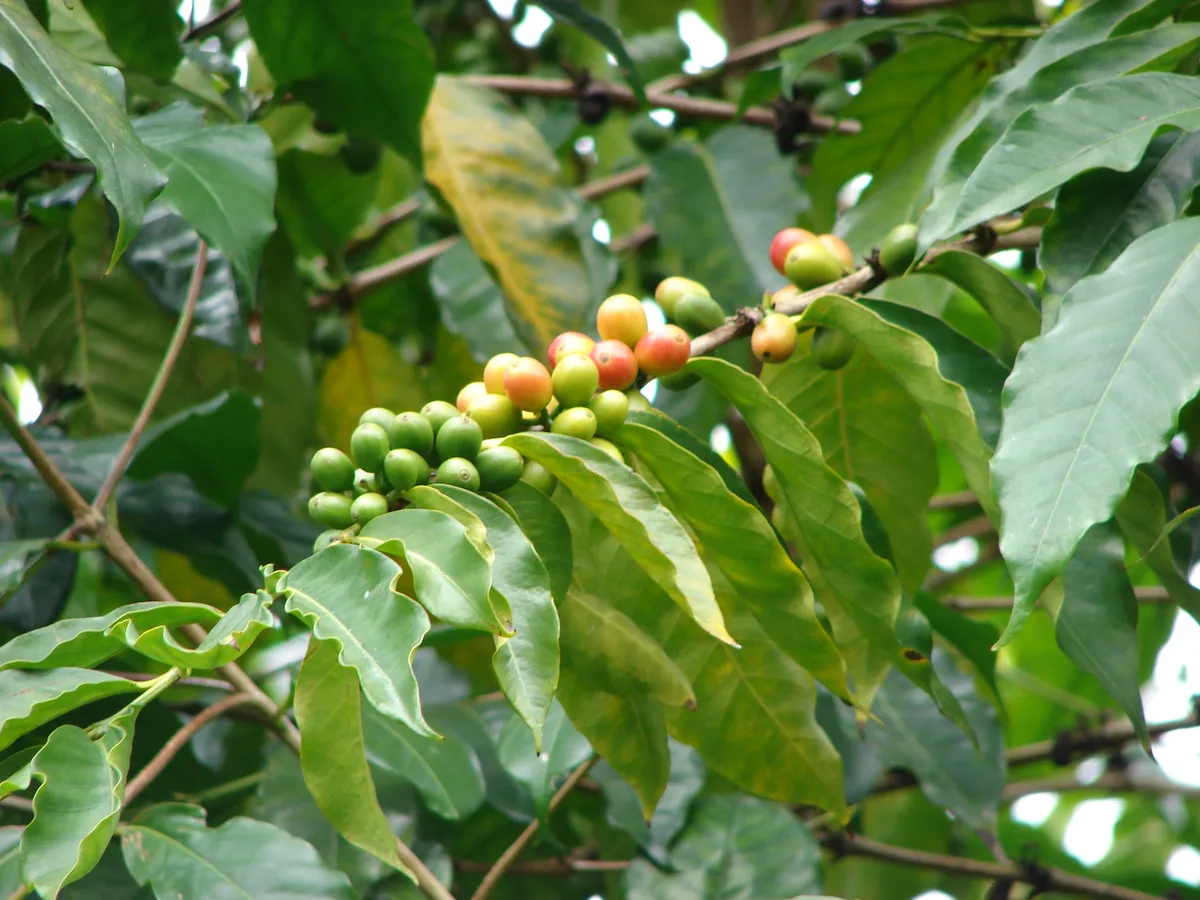
Flores coffee is mostly grown by small farmers and dried in the sun before it is sold on, and a few guesthouses around Moni roast a little of it themselves. Ask at your accommodation whether they can show you the process, because a short look at a drying rack and a hand grinder explains more than a paragraph can.
The rice fields change character through the year as well. At planting they are flooded mirrors that reflect the mountains, and closer to harvest they turn from green to gold and the farmers are out with sickles at first light. Neither view is a scheduled attraction, which is exactly why walking through them is the best thing to do in Moni on a quiet morning.
Culture and Daily Life
Central Flores is home to communities with distinct languages, weaving traditions and architecture. The Bena traditional village guide explains one of the best-known villages in the region, and the ikat weaving guide covers the textile traditions of the surrounding area. If you are interested in either, build an extra day into your plan.
When you visit a village, ask before taking photographs of people, dress modestly, and follow the guidance of whoever welcomes you. These are living communities, not exhibits, and a little respect goes a long way.
Where to Stay and What to Eat
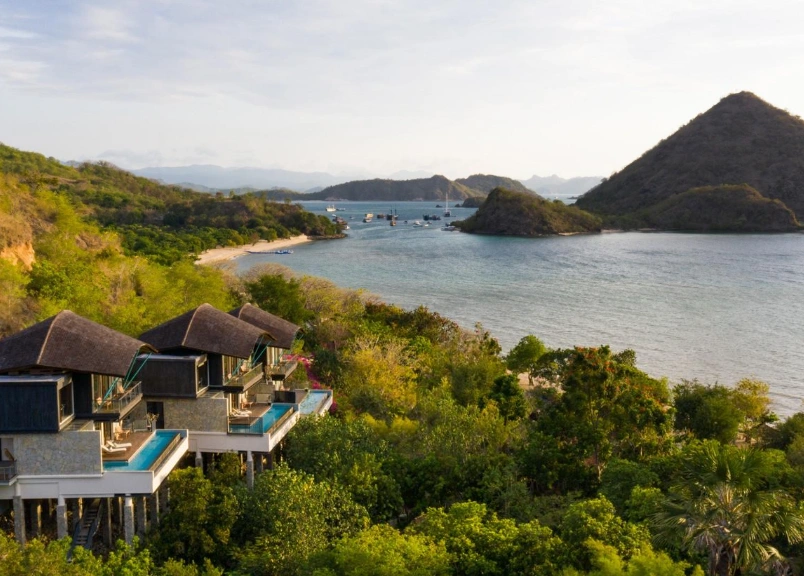
Moni has a range of simple guesthouses and homestays, most of them within walking distance of the main road. Rooms are basic and often cold at night, so ask about blankets and hot water before you book.
Food is straightforward: rice, noodles, vegetables, eggs and the occasional piece of chicken or fish. Vegetarian options exist but are not always on the menu, so ask what the kitchen can make. Because the village is small, opening hours can be irregular, and it is worth eating before you are really hungry.
Practical Notes
Bring cash, because ATMs in the highlands are unreliable and card payment is rare. Bring a warm layer, a rain jacket and shoes that can handle mud, since the paths get slippery after rain. The weather changes quickly at this altitude, and a clear morning can turn into cloud by noon.
Mobile coverage exists but is patchy, so do not count on fast internet. Download what you need before you arrive, and treat the weak signal as an invitation to spend the evening without a screen.
When to Go and What the Weather Brings
Moni sits high enough that its weather is genuinely different from the coast, and it changes quickly. A clear, cold morning can turn to cloud by late morning and rain by early afternoon, and the mountain itself can disappear behind mist for hours at a time.
The drier months run roughly from April to October, and the wetter stretch from November to March brings more frequent afternoon rain and muddier paths. Elevation matters as much as the calendar. Even in the dry season the nights are cool, and a clear sky at altitude means the temperature drops fast once the sun is gone.
The practical conclusion is to plan your walks for the morning and treat the afternoon as flexible. If the cloud closes in, that is the moment for a coffee, a book or a nap rather than a forced hike, and the weather is often clear again by the next dawn.
Moni is easy to treat as a single night on the way to something else. Give it two, and the reward is a quiet highland day that most Flores itineraries skip entirely.