
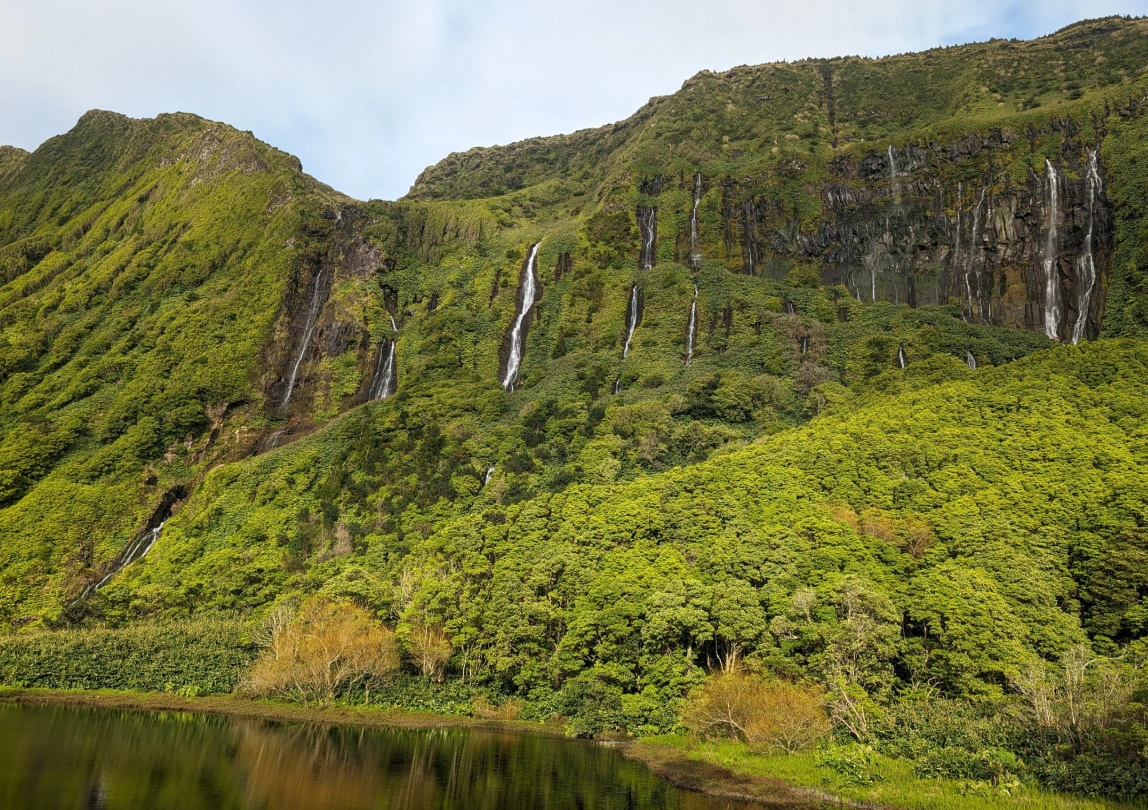
Flores is better known for Komodo dragons, volcanic landscapes, and small islands, but its waterfalls are another reason to explore beyond Labuan Bajo.
Many of the island's waterfalls are surrounded by forests, mountains, rice fields, and rural villages. Some are relatively easy to reach, while others require a hike or a local guide. This makes waterfall trips in Flores quite different from visiting a conventional tourist attraction.
If you want to add waterfalls to a Flores itinerary, Cunca Wulang, Cunca Rami, and Murundao Waterfall are among the places worth considering. Around Bajawa and the central part of the island, you can also find smaller waterfalls that are closely connected with the surrounding countryside.
Cunca Wulang Waterfall
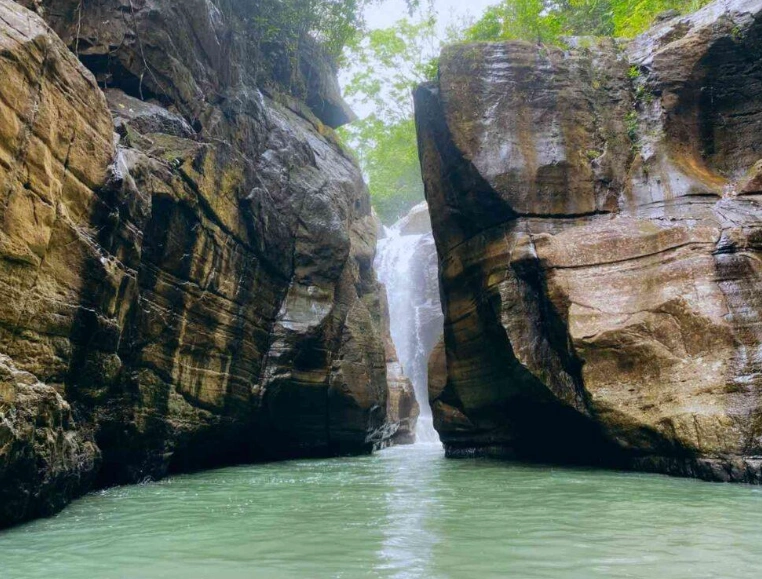
Cunca Wulang is one of the most accessible waterfall experiences near Labuan Bajo.
The waterfall is located in a forested area where water flows through a rocky canyon before dropping into a natural pool. The surrounding cliffs and vegetation make the site feel more secluded than its proximity to Labuan Bajo might suggest.
One of the main attractions is the combination of waterfall and canyon scenery. Visitors can walk through the forest and reach viewpoints around the falls, while local conditions determine whether swimming is appropriate.
Cunca Wulang is particularly convenient if you are staying in Labuan Bajo and want to add a nature experience without traveling deep into Flores.
Cunca Rami Waterfall
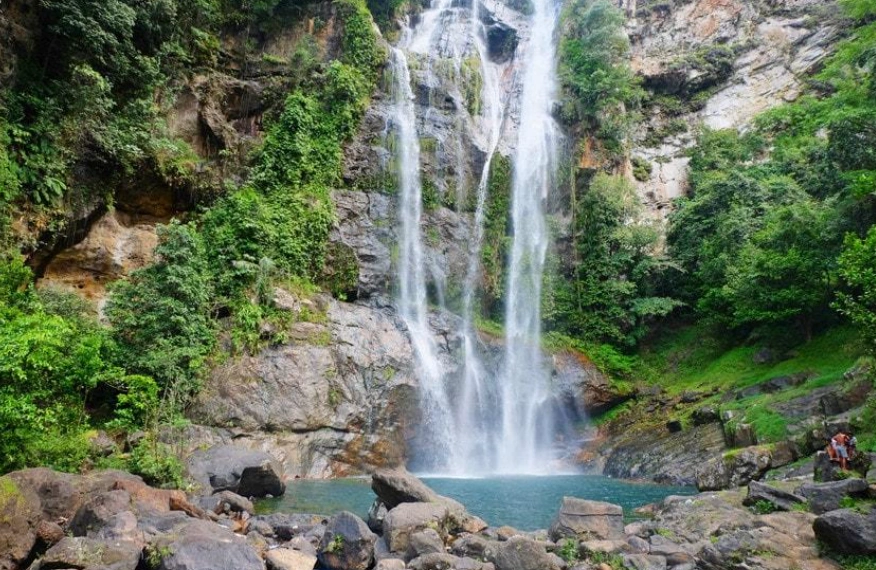
Cunca Rami is another impressive waterfall within reach of Labuan Bajo, although getting there generally involves more travel and walking.
The route passes through rural landscapes and forest, making the journey part of the experience rather than simply transportation to a viewpoint.
The waterfall drops into a natural pool surrounded by rocks and vegetation. When conditions are suitable, visitors may be able to enjoy the water, although currents and water levels can change after rainfall.
Cunca Rami is a better choice for travelers who want a more adventurous day away from the main tourist areas.
Murundao Waterfall
Murundao Waterfall is located in the Kelimutu area and is a useful stop for travelers exploring eastern Flores.
The waterfall is surrounded by green countryside and is closely connected with the agricultural landscape of the region. Its setting gives visitors an opportunity to experience a quieter side of Flores.
Because it can be combined with other attractions around Moni and Kelimutu, Murundao is more useful as part of a wider itinerary than as a standalone destination.
If you are already traveling toward Kelimutu National Park, adding a nearby waterfall can provide some variety between volcanic and cultural attractions.
Ogi Waterfall
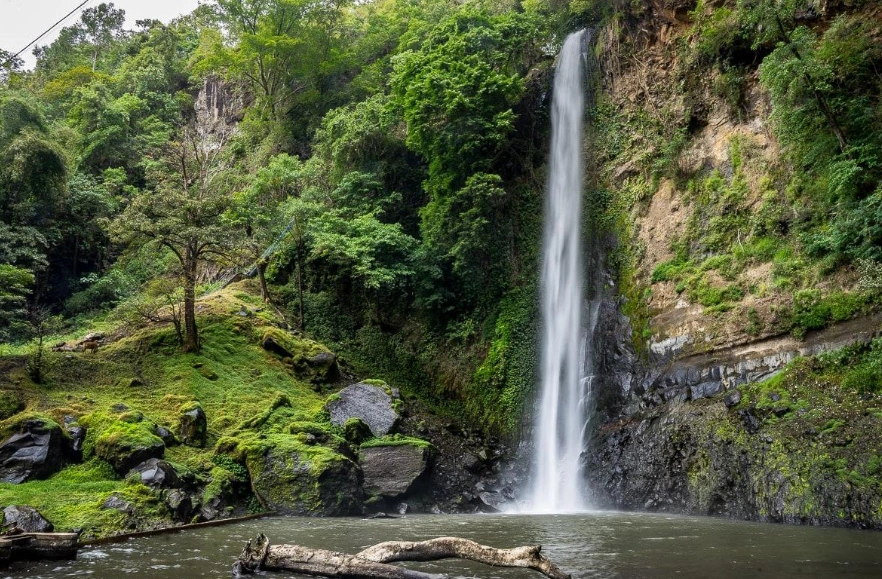
Ogi Waterfall is located near Bajawa in central Flores.
The waterfall is surrounded by the highland scenery that makes the Bajawa region different from the coastal areas around Labuan Bajo.
The area around Bajawa is known for traditional villages, agricultural landscapes, and volcanic terrain, so a visit to Ogi Waterfall can be combined with other cultural and natural attractions.
Ogi is a good option for travelers taking an overland route through central Flores rather than staying only around Labuan Bajo.
Tengku Lese Waterfall
Tengku Lese is another waterfall worth considering when exploring the eastern or central parts of Flores.
The waterfall is surrounded by dense greenery and rural landscapes, providing a quieter alternative to some of the island's more established attractions.
Getting to less-developed waterfalls can require more preparation, particularly when roads or trails are affected by heavy rain.
For travelers who enjoy hiking and exploring places outside the main tourist routes, Tengku Lese can be a rewarding addition.
What Makes Flores Waterfalls Different?
The biggest attraction of Flores waterfalls is not always the waterfall itself.
The journey often passes through forests, rice fields, mountain villages, and agricultural areas. Instead of arriving at a developed tourist site with extensive facilities, you may find a much more natural environment.
This is particularly noticeable when traveling away from Labuan Bajo.
A waterfall trip can therefore become a combination of hiking, sightseeing, and experiencing the rural landscapes of Flores.
Which Waterfall Is Easiest to Visit From Labuan Bajo?
If Labuan Bajo is your base, Cunca Wulang is one of the more practical options.
It can be visited as a day excursion without requiring a major change to your Flores itinerary.
Cunca Rami is also possible, but it is better suited to travelers who are comfortable spending more time traveling and walking.
If you are only staying in Labuan Bajo for a short time because your main goal is the Komodo National Park, Cunca Wulang makes more sense than traveling much farther inland.
Which Waterfall Is Best for Swimming?
Some Flores waterfalls have natural pools where visitors may swim when conditions are suitable.
However, swimming should never be assumed to be safe.
Heavy rain can quickly increase water levels and currents, and rocks around waterfalls can be slippery. Local guides and residents are usually the best source of information about current conditions.
If there has been recent heavy rainfall, it is better to avoid entering natural pools unless local authorities or experienced guides confirm that conditions are safe.
When Is the Best Time to Visit?
The best conditions depend heavily on the local weather.
During the wetter months, waterfalls can have much stronger flows and the surrounding landscape is often greener. However, heavy rainfall can also make roads and hiking trails more difficult.
The drier months generally provide easier travel conditions, although water levels can be lower at some waterfalls.
For hiking, mornings are usually preferable because temperatures are more comfortable and you have more daylight for the journey.
Should You Visit With a Guide?
For well-known waterfalls near tourist areas, independent visits may be possible.
For remote waterfalls, a local guide can be very useful. Trails may not always be clearly marked, mobile coverage can be limited, and local conditions can change after rain.
A guide can also help with transportation and provide information about villages and landscapes along the route.
This is particularly important if you are unfamiliar with the area or planning a longer hike.
How to Include Waterfalls in a Flores Trip
The best way to visit Flores waterfalls is to combine them with other attractions rather than planning an entire trip around waterfalls.
A Labuan Bajo itinerary can include Cunca Wulang alongside Komodo National Park.
A Bajawa itinerary can combine Ogi Waterfall with traditional villages and the surrounding highlands.
An eastern Flores route can include Murundao Waterfall together with Kelimutu and attractions around Moni.
This approach reduces unnecessary travel and gives you a broader experience of Flores.
What Should You Bring?
Waterfall trips generally require more preparation than a normal sightseeing day.
Bring enough drinking water, comfortable walking shoes, sunscreen, insect repellent, and a waterproof bag for electronics.
If swimming is permitted and conditions are safe, bring suitable swimwear and a towel.
Avoid carrying unnecessary valuables because some waterfall areas have limited facilities and storage options.
Most importantly, wear footwear suitable for wet and uneven terrain. Flip-flops may be uncomfortable or unsafe on longer trails.
Which Flores Waterfall Should You Choose?
For travelers staying around Labuan Bajo, Cunca Wulang is one of the most practical choices.
For a more adventurous experience, Cunca Rami is worth considering.
Travelers exploring Bajawa can add Ogi Waterfall to their itinerary, while those heading toward Kelimutu can look at Murundao and other nearby natural attractions.
The right choice ultimately depends on your route through Flores. Since the island is long and travel between regions can take time, choosing a waterfall that fits naturally into your existing itinerary is usually better than making a long detour for one attraction.