The Kelimutu sunrise trip begins long before the sun appears. Most travelers stay in Moni, wake in darkness and drive or ride up to the crater area for first light. The reward is not a guaranteed postcard scene. It is the chance to watch the sky open over three volcanic lakes whose colors have made the site famous.
Go with realistic expectations. Clouds can cover the view, rain can make the steps slippery and the lakes may not match the saturated images seen online. The site remains worth visiting, but the weather decides what kind of experience you get.
Base Yourself in Moni
Moni is the practical base for an early start. It is a small town rather than a resort area, with simple guesthouses, small restaurants and tour operators. Rooms close to the main road are convenient but noisy. The quietest option may sit farther from the entrance road.
Confirm your transport the night before. Whether you use a shared car, private driver or scooter, agree on the pickup time and meeting point. Drivers know the current road conditions and the ticket procedure better than a generic map does.
The Pre-Dawn Drive
The road climbs through villages and forest. In clear weather it is manageable. In rain or cloud, visibility drops quickly, and the final section can feel much longer than the distance suggests. A driver is the easier choice for most travelers.
Scooters require genuine experience. Cold air, winding roads and darkness reduce your margin for error. If you ride, use a well-maintained bike, wear a helmet and keep both hands free for control. Do not overtake blindly or assume the road is clear around a bend.
Leave earlier than you think necessary. The point is not to rush from the car park to the viewpoint. You want time for ticket checks, a bathroom stop and a slow walk before the light changes.
Tickets and Entrance
Entrance arrangements and prices can change. Confirm the current process with your accommodation or a reputable local operator the day before. Carry cash in case card payment is unavailable, and keep small notes for parking or snacks.
Do not assume that arriving before the gate opens means you can enter without a ticket. Rangers and staff manage the site carefully, and the opening time may adjust with conditions. Follow instructions at the gate rather than joining an unofficial shortcut.
What to Wear
The crater area is high and cold before sunrise. Bring a warm layer, a rain shell and closed shoes with grip. A light scarf or hat helps if the wind is strong. You can leave extra clothing in the vehicle once the sun rises.
The steps and paths can be wet, especially in the rainy season. Carry a small torch or use your phone light, but keep one hand free for the handrail. Flip-flops are a poor choice in the dark.
The Lakes and Viewpoints
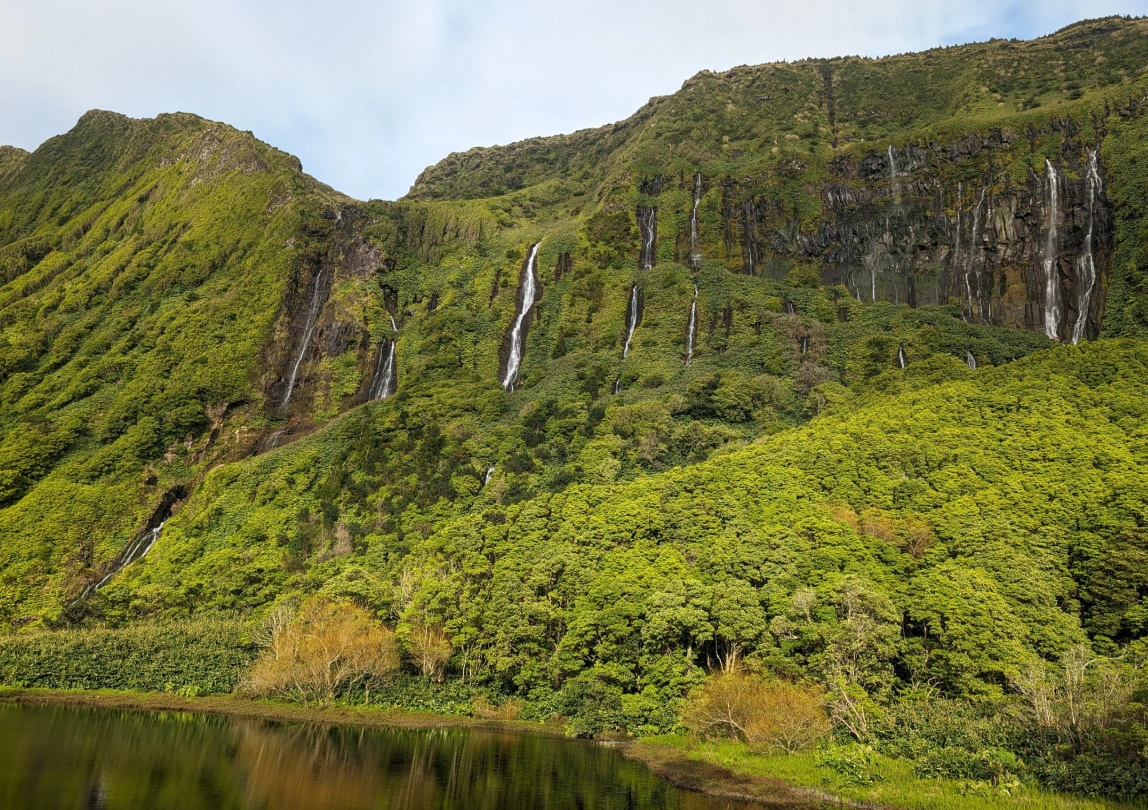
Kelimutu is known for crater lakes that have changed color over time, sometimes separately from one another. The colors are natural and not permanent. Minerals and volcanic activity influence what visitors see, so treat vivid photographs as a possibility rather than a promised schedule.
The main viewing areas offer different angles over the lakes and surrounding valleys. Walk between them slowly instead of claiming one spot for the entire sunrise. Be considerate when someone is taking a photograph, and do not climb over barriers for a better angle.
Leave the tripod at home if the path is crowded. A small phone or camera is easier to manage on wet steps, and a large setup can block the narrow viewing area. If clouds hide the lakes, photograph the changing light and surrounding ridges instead of waiting in one place for a view that may not appear.
If the lakes remain hidden, do not treat the trip as wasted. Walk the viewing path, watch how quickly the cloud moves and enjoy the quiet before the main groups arrive. A second visit is rarely practical for most itineraries, but the surrounding landscape and the experience of the highland morning can still justify the early start.
Mist can clear and return within minutes. Stay a little longer if the view is opening, but do not pressure a driver to wait beyond the agreed time without discussing it first.
The Drive Back and the Rest of the Day
The descent is easier in daylight but still requires attention. Many travelers return to Moni for breakfast, then sleep or continue toward Ende, Bajawa or Labuan Bajo. Do not plan a long transfer immediately after the sunrise if you are exhausted or the weather is poor.
Read the Flores travel guide and daily life guide before deciding how Kelimutu fits into the island route. The visit is most rewarding when you have enough time to sleep, eat and travel safely rather than treating the sunrise as a race against the rest of the itinerary.