The fastest way to fail in Yaowarat alley is to treat it like a single meal stop. It works better as a sequence of smaller rounds. I have watched travelers order two huge plates at the first neon stall, then complain that Chinatown is "too greasy" while standing three meters from fifty better options they never reached. Alley eating rewards curiosity and punishes ambition.
Alley Overview
Yaowarat alley lanes are dense, hot, and high turnover. The energy is part of the draw, but pacing keeps it enjoyable. Side streets branch off the main road with seafood displays, wok smoke, dessert carts, and fruit vendors competing for attention. Sound, smell, and scooter traffic compress into a sensory loop that can feel exhilarating or overwhelming depending on whether you have a plan.
Alleys differ from the main Yaowarat road experience: narrower, more stall-focused, sometimes more locals if you pick the right turns. I think of alleys as tasting labs and the main drag as parade ground—both useful, different tactics.
Go with empty pride and full curiosity. You will not "win" Chinatown in one night; you collect hits over multiple visits if you are lucky.
Alley vs main Yaowarat road
The main Yaowarat night food route is broader: sit-down seafood houses, neon parade energy, three-stop pacing along the spine. Alleys are tighter, stall-denser, and better for grazing. Do main road one night, alleys another — or start main road early and drift into alleys when you want smaller bites.
Best Time
Early evening gives better flow. Later windows can be exciting but more queue-heavy. I start around 6:00–7:00 PM for easier movement and first picks before certain items sell out. After 9:00 PM, atmosphere peaks but patience requirements rise.
Weekends are louder; weekdays can still be busy but slightly easier to navigate. Rain sometimes thins crowds; it also makes pavement slick and steam heavier.
If you hate queues, early beats late. If you want maximum neon chaos, accept later hours and smaller portions per stop.
What to Eat
Use a three-stop structure: one grilled item, one noodle or rice dish, one dessert or cooling finish. Within that frame, rotate proteins: seafood one night, pork or duck another. Specific dish names vary by season and stall reputation; follow lines with local mix, not only stalls with English menus aimed at passersby.
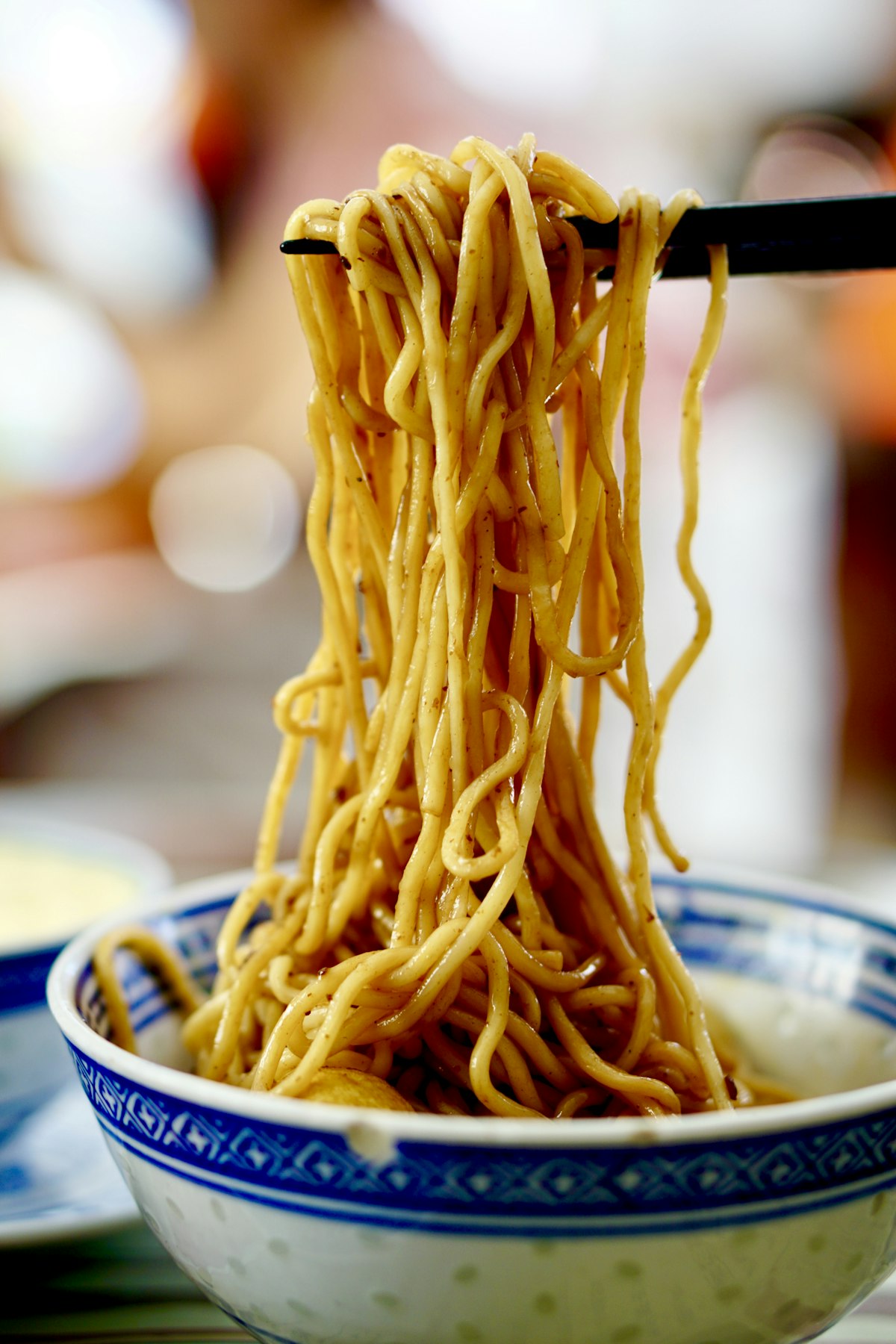
Stop one grilled: skewers, scallops, or simple grilled fish if the display looks fresh and turnover is high. Stop two noodle or rice: pad see ew, oyster omelet, crab noodles, or duck rice—pick one substantial plate to share. Stop three dessert: mango sticky rice if in season, Chinese dessert soups, or fresh fruit cup.
Between stops, walk five minutes to reset palate and appetite. Walking is part of digestion here.
If a stall has no price posted, ask before they cook large portions. "How much for this plate?" prevents awkward moments.
Spice: say your tolerance early. Bangkok street spice can exceed tourist expectations.
When a stall looks empty but food smells amazing, check turnover time—empty can mean bad timing, not bad food. When a stall is packed only with phones filming, decide if you want hype or flavor; sometimes both, sometimes neither. Carry tissues; alley tables are often wipe-your-own affairs.
Budget and Payment
Cash-first mindset is still safest. Keep quick-pay notes ready to reduce stall bottlenecks. I carry a mix of 20, 50, and 100 baht notes; breaking 1000 baht at tiny stalls slows everyone down.
A satisfying alley night can run very cheap per dish or moderate if you add seafood premiums. Budget per person depends on seafood choices; two people sharing many small plates often spend less than two separate feasts.
Mobile payment exists at some vendors but do not rely on it alley-deep. One person holds cash; another navigates maps.
Tipping is not mandatory like US service; rounding up or leaving small change is appreciated for exceptional service.
Rough budget: two people sharing three small stops often land around 300–600 THB per person without premium crab; add seafood and alcohol and the night climbs fast. Decide a ceiling before you enter the first lane.
How to Choose Stalls in Alleys
Alley stalls reward observation more than menus:
- High turnover — woks smoking, plates moving, ingredients replenished.
- Local mix — not only tour-group composition at the counter.
- Clear prices — board visible, or staff answers before cooking.
- Cook-to-order — seafood sitting in sun without buyers is a pass.
Common Mistakes (and Easy Fixes)
- One mega-order at stall one → three small stops instead.
- Staying on main road only → turn into one alley for contrast.
- No cash in small notes → break bills at 7-Eleven before entering.
- Same night as heavy brunch → eat lighter at lunch if alley night is fixed.
- Ignoring scooters → walk single file, look before stopping for photos.
Practical Tips
- Avoid over-ordering in first lane.
- Share dishes if traveling in pairs.
- Keep hydration constant between spicy and salty rounds.
Queue discipline: one person orders, others hold space behind, do not block wok stations. If photos, step aside after shooting.
Alcohol: beer is available in places, but alcohol plus heat plus spice dehydrates fast. Alternate water or electrolyte drinks.
Safety: watch bags in crowds; scams are rarer than pickpocket risk in crush moments. Trust busy stalls with fast turnover for cooked-to-order items.
For a full evening arc, start with rooftop sunset and end here. That sequence works because rooftop gives a bounded golden-hour pause; Yaowarat gives grounded street energy after. Do not reverse them on a tight schedule—arriving at alleys starving after sunset drinks without food is how people over-order instantly.
If you only have one Bangkok food night, Yaowarat alley plus disciplined pacing is a strong candidate. If you have three nights, do alley night once, main-road seafood another, and save repeats for dishes you dreamed about later in the trip.
Allergies and spice: point at ingredients, learn "mai phet" (not spicy) and "phet nit" (a little spicy). Seafood alleys smell incredible; if you are sensitive to shellfish steam, stand upwind and choose grilled land proteins instead. Elderly companions or kids may prefer earlier hours and seated restaurants on main road, then one alley stop for atmosphere rather than a full alley-only night.
From Old Town, MRT or taxi to Yaowarat is common; from Ari, allow traffic buffer at 7 PM. My honest take: alley Yaowarat is where Bangkok tastes loud and honest — go early enough to think, late enough to feel neon, and leave before you confuse “more food” with “better night.”