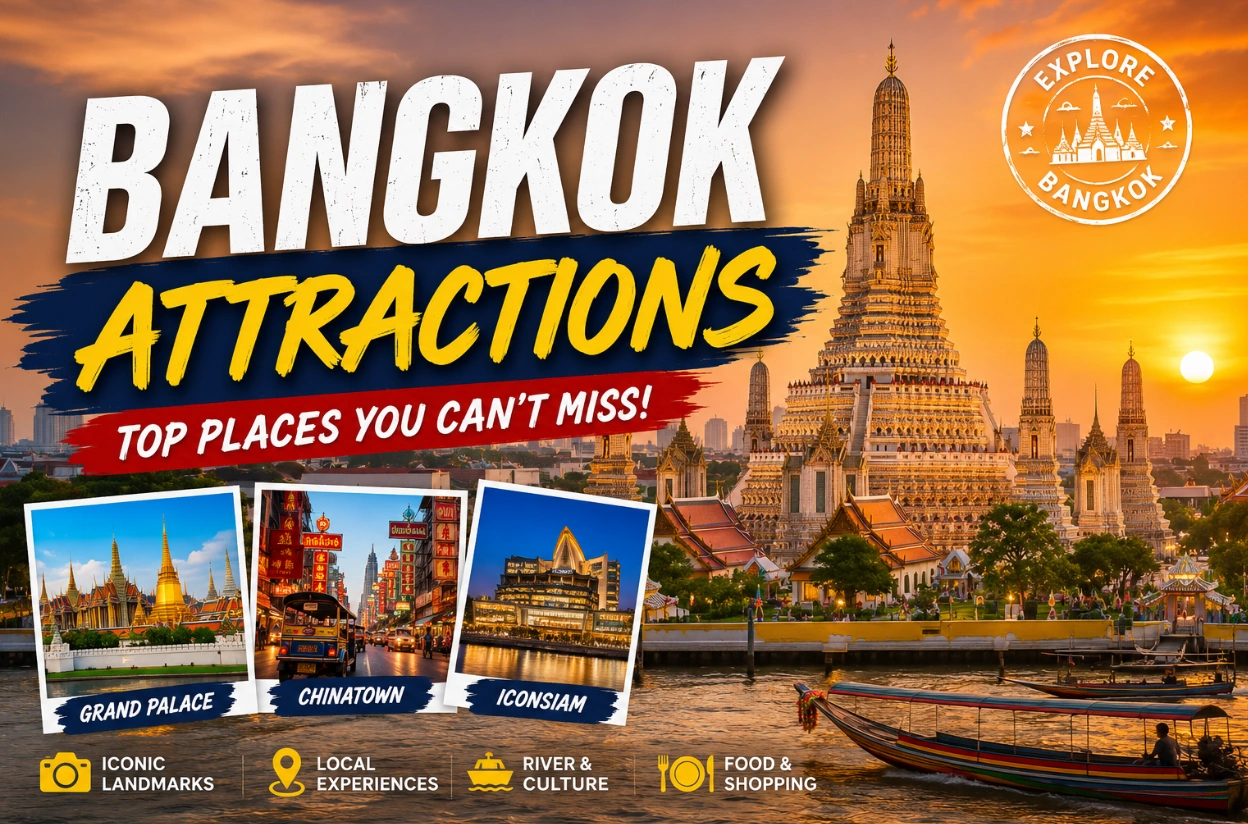
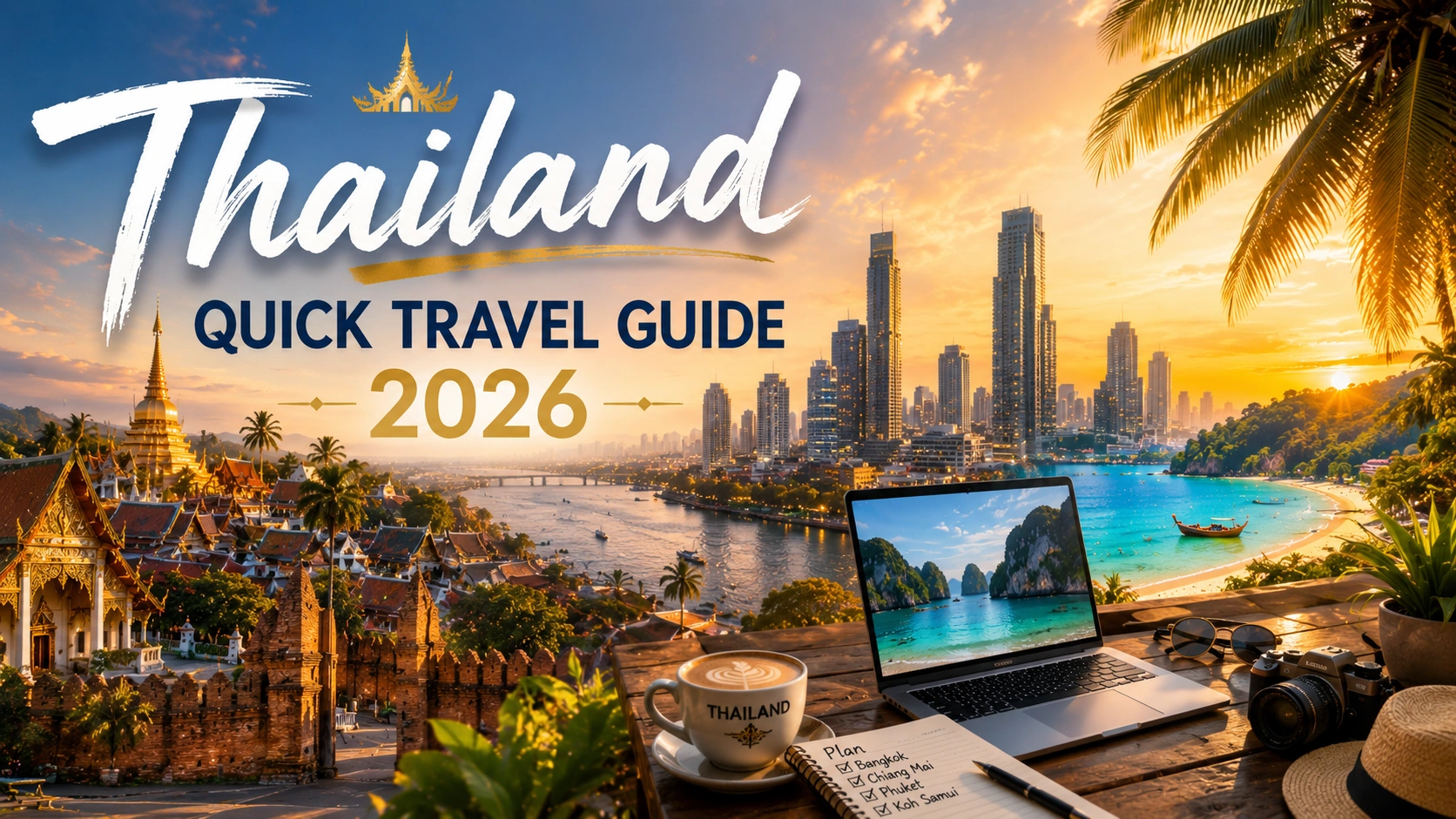
Thailand is one of the most popular travel destinations in Asia. The best places to visit include Bangkok, Chiang Mai, Phuket, and Koh Samui. It is generally safe for tourists, has affordable travel costs, and the best time to visit is between November and March for cool and dry weather. This guide covers everything from cities, beaches, costs, food, safety, and digital nomad life in Thailand.
Thailand Overview
Thailand is a country that blends modern cities, cultural heritage, and tropical island life. It is one of the most flexible destinations in Asia for both short-term travelers and long-term digital nomads.
Whether you prefer city energy, cultural exploration, or beach relaxation, Thailand offers all three within a single trip.
Best Places to Visit in Thailand
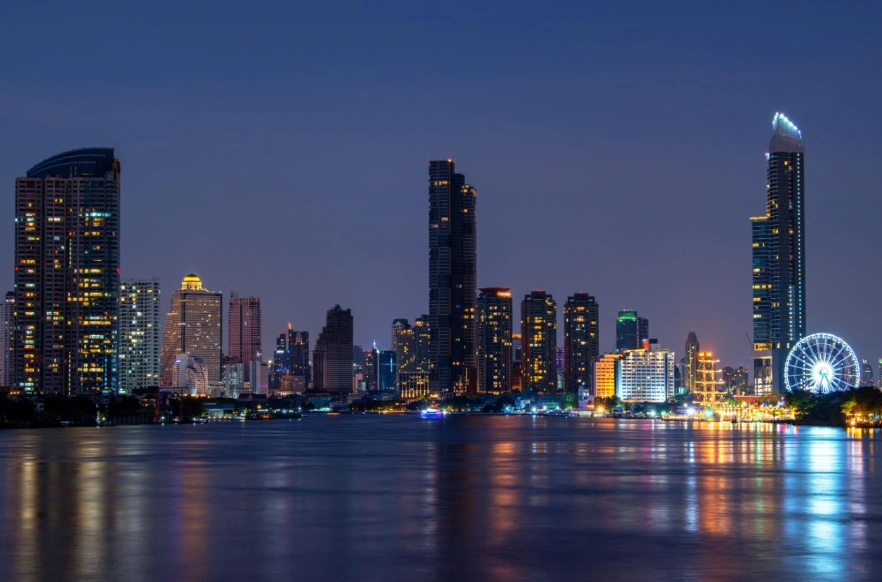
Bangkok – City Energy & Lifestyle
- Best for shopping, nightlife, business
- High-rise hotels and modern infrastructure
- Strong transport system
Chiang Mai – Digital Nomad Capital
- Low cost of living
- Strong remote work community
- Cafés and coworking spaces everywhere
Phuket – Beach + Tourism Hub
- Best for beach lifestyle
- Luxury resorts + nightlife
- Touristic but very developed
Koh Samui – Slow Island Life
- Quiet and relaxed
- Ideal for long stays
- Popular among remote workers
Cost of Travel in Thailand
Thailand is considered an affordable destination compared to many countries in Asia and Europe.
| Category | Estimated Cost |
|---|---|
| Budget traveler | $30 – $60 / day |
| Mid-range traveler | $70 – $150 / day |
| Digital nomad lifestyle | $1,200 – $2,500 / month |
| Luxury travel | $200+ / day |
The 10 Best Beaches in Thailand
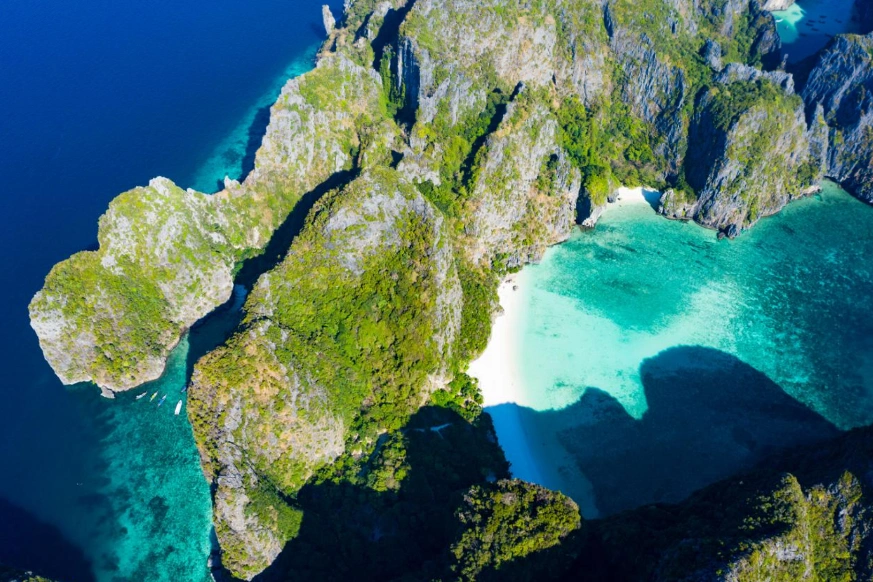
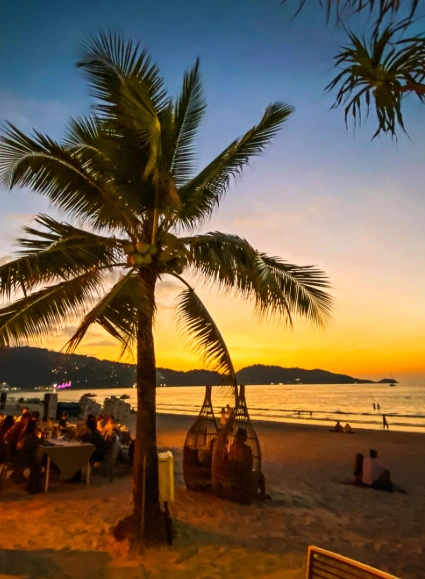
Some of the most beautiful beaches in Thailand include:
- Railay Beach (Krabi)
- Maya Bay (Phi Phi Islands)
- Patong Beach (Phuket)
- Kata Beach (Phuket)
- Freedom Beach (Phuket)
- Chaweng Beach (Samui)
- Lamai Beach (Samui)
- Koh Lipe Beaches
- Similan Islands
- Bottle Beach (Koh Phangan)
When Is a Good Time to Travel to Thailand?
Best time:
November – March
- Cool weather
- Low humidity
- Best beach conditions
Hot season:
April – May
- Very hot (can exceed 35°C)
Rainy season:
June – October
- Heavy but short rain
- Fewer tourists
- Lower hotel prices
Thailand for Digital Nomads
Thailand works for digital nomads not because it is "built for them," but because it naturally fits the way remote work already happens. Most people arrive planning a short stay, then quietly extend it once they find a rhythm between work, food, and daily life.
In cities like Chiang Mai or Bangkok, the first thing many remote workers notice is how easy it is to settle into a routine. You don't spend time "figuring things out" — cafés already have stable Wi-Fi, apartments are already furnished for long stays, and coworking spaces feel normal rather than niche.
Food & Dining in Thailand
Street Food Culture
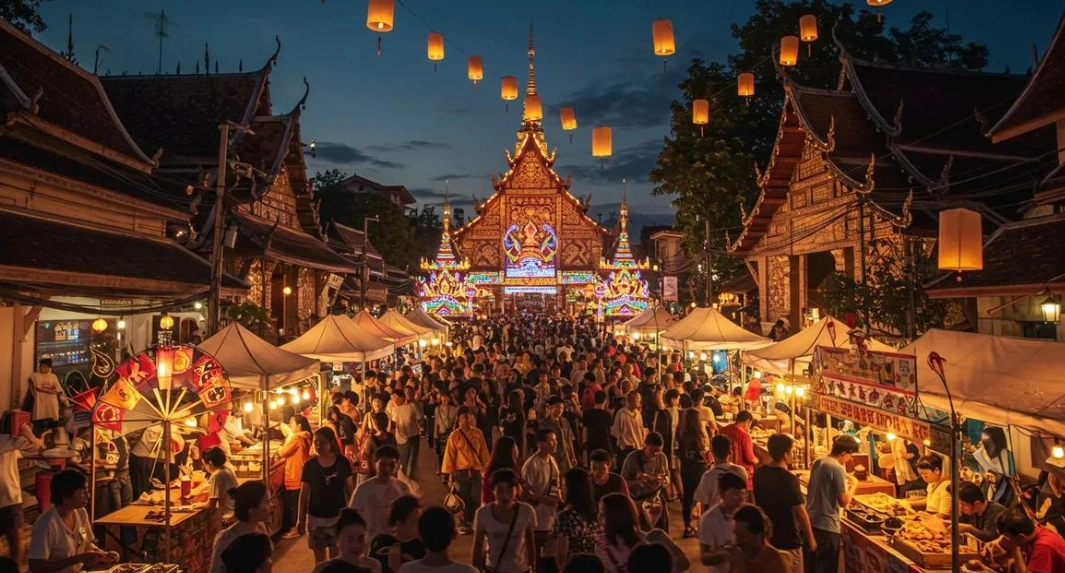
- Street food is everywhere in Thailand, from morning markets to late-night stalls
- Very affordable and easy to find in every city
- Popular quick meals include noodles, rice dishes, and grilled skewers
Flavor Style
- Thai food is known for a balance of spicy, sour, sweet, and salty
- Spice level can usually be adjusted (you can say "not spicy")
- Herbs like lemongrass, basil, and chili are widely used
Must-Try Dishes
- Pad Thai (stir-fried noodles)
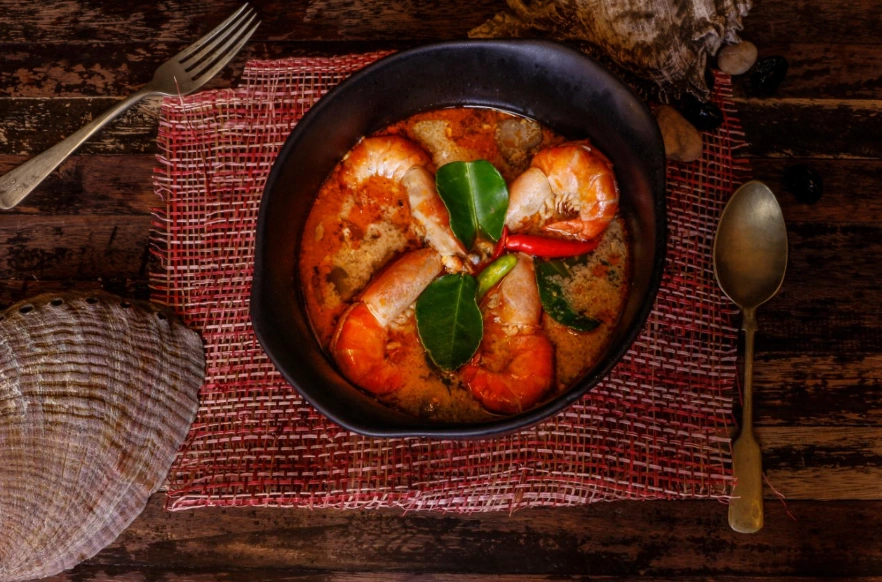
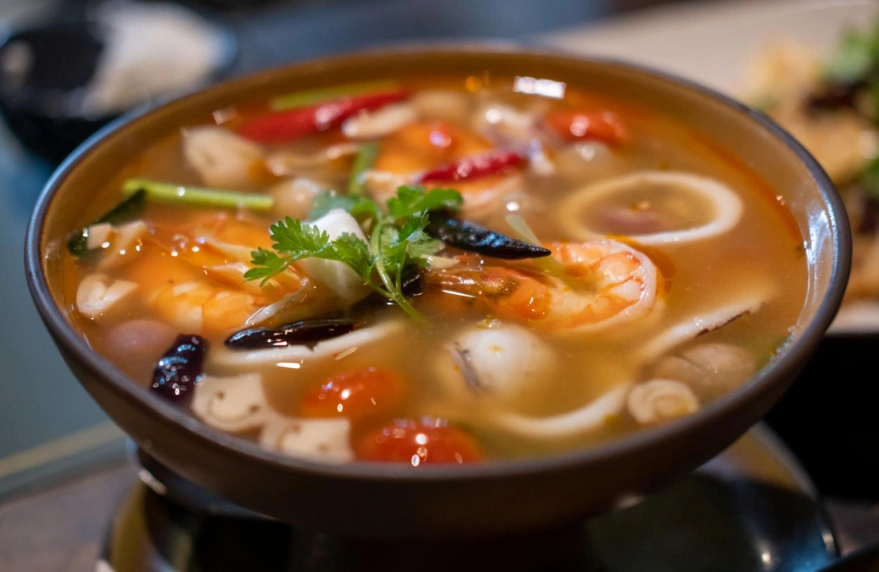
- Tom Yum (spicy sour soup)
- Green Curry (coconut-based curry)
- Mango Sticky Rice (sweet dessert)
- Som Tam (green papaya salad)
Seafood & Local Specialties
- Coastal areas like Phuket and Koh Samui offer very fresh seafood
- Common dishes include grilled fish, prawns, and seafood hot pots
- Beachside dining is a big part of the experience
Coffee & Daily Eating
- Strong café culture, especially in Chiang Mai and Bangkok
- Many cafés are laptop-friendly for remote workers
- Wide mix of Thai, Western, and fusion food options
Quick Tip
- Choose busy street food stalls for better freshness
- Most places accept cash, while larger restaurants may take cards
- Don't hesitate to ask for "less spicy" when ordering
Thailand Travel Essentials (Simple Packing List)
👕 Clothing
- Light clothes (T-shirt, shorts)
- Swimwear
- Light jacket (for air-con)
- Comfortable shoes / sandals
🔌 Electronics
- Phone + charger
- Laptop (if working remotely)
- Universal adapter
- Power bank
🧴 Health & Protection
- Sunscreen
- Mosquito repellent
- Basic medicine
🪪 Documents
- Passport
- Travel insurance
- Flight / hotel booking
🏝️ Beach Items
- Sunglasses
- Hat / cap
- Flip-flops
💡 Tip
- Travel light — most things can be bought in Thailand easily
Is Thailand Safe to Travel?
For most visitors, Thailand feels like one of the easiest and most comfortable countries to travel in Asia. Many first-time travelers arrive with some hesitation, but after a few days, that concern usually disappears once they experience the local atmosphere.
What it feels like on the ground
Most tourists describe Thailand as "busy but friendly" rather than stressful or dangerous.
In cities like Bangkok, you'll quickly notice:
- Street food stalls open late into the night
- People moving around confidently at all hours
- Tourists and locals mixing naturally in the same spaces
- A very "live and let live" atmosphere
👉 Many travelers say: "After one day, I stopped feeling like a tourist and just felt comfortable being there."
Thailand is generally safe for travelers, but you should still pay attention to common issues like taxi overcharging, scooter accidents, pickpocketing in crowded tourist areas, and staying cautious with your belongings in nightlife or busy markets.