The first time someone told me street food in Southeast Asia was "unhealthy," I was eating grilled fish on a plastic stool in Da Nang. The sea smelled like salt. A grandmother stirred broth that had been simmering longer than my flight from Singapore. If this was unhealthy, my definition was broken.
I still got it wrong for years. I alternated between fear and bingeing. Bangkok: late-night noodles, zero vegetables, wonder why I felt heavy. Penang: char kway teow heaven, same story. I thought wellness meant clean cafe plates only. That worked until my budget and my loneliness protested.
Thailand: The Myth of Automatic Guilt
In Chiang Mai I met a nomad who ate pad thai from the same cart four times a week. He looked fit. His trick was not magic ingredients. He walked everywhere. He ate one big street meal, not three. He drank water before coffee. He stopped snacking between stalls.
I copied the structure, not the cart. Morning: fruit or eggs. Midday: street bowl with protein visible — grilled chicken, tofu, seafood. Evening: lighter if I had sat all afternoon. The food did not change as much as the frame around it.
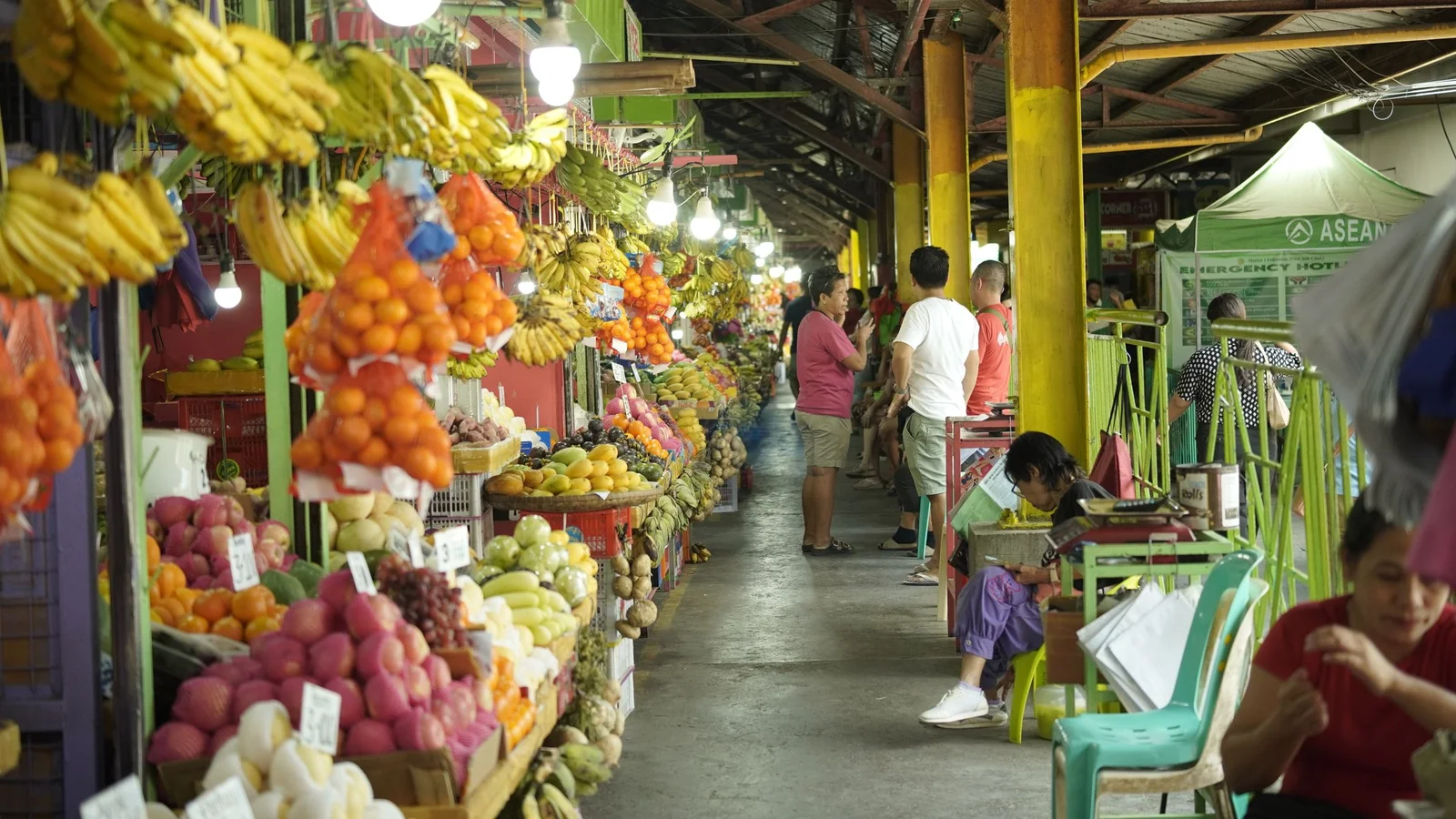
What failed me was tourist-speed tasting. Five dishes in two hours is a party, not a diet. Slow travel fixed that. When I stayed two weeks in one neighborhood, I learned which vendor washed herbs, which oil smelled fresh, which queue meant turnover.
Vietnam: Broth, Herbs, and Humidity
Da Nang taught me soup as default wellness. Bun bo hue, pho, mi quang — broth carries volume without the post-fried slump. I started asking for extra herbs. Not virtuous. Practical. Herbs taste like something and make cheap meals feel complete.
Humidity changes appetite. I wanted lighter food without becoming precious. Street stalls delivered if I skipped the deepest-fried option at lunch on work days. Save the crunch for sunset walks along the beach when I had time to digest.
Malaysia: Sweet Sauces and Real Portions
Kuala Lumpur and Penang punished my assumptions differently. Sweetness hides in sauces I could not see. I learned to split plates, share, or take half home — rare for nomads eating solo, but street portions sometimes beg for it.
Night markets were joy and trap. I still went. Wellness that forbids joy fails on the road. I just stopped pretending market night could be every night. Two market meals a week. Other days: simpler rice plates, more vegetables, less sugar drink.
The Story That Changed My Rule
I got food fatigue in Bangkok — not sick, just dull and tired. I blamed "street food." Truth: I had eaten like I was leaving tomorrow for three months. No rhythm. No vegetables. All novelty.
I took one week mostly cooking and morning walks. Then I reintroduced street food slowly. Grilled fish. Papaya salad. Soup. My energy returned. The enemy was not the cuisine. It was chaos without a plan.
What I Do Now
I do not count every calorie abroad. I watch patterns: sleep, water, vegetables most days, fried food as choice not default. Street food stays central because it is social, cheap, and often fresher than hotel buffets.
When I need a reset after heavy weeks, I shift cities or habits — not because the country failed, because my rhythm did. Sometimes that means a Chiang Mai cafe week. Sometimes it means saying no to the fifth invitation to "just grab something downstairs."
Healthy eating with street food is not a hack list. It is travel at human speed. The region already cooks with herbs, fire, and broth. I only had to stop eating like every meal was my last night in town.
Quick Orders I Repeat
Thailand: grilled fish, papaya salad, clear soups. Vietnam: pho, bun bowls, herb piles. Malaysia: nasi campur with vegetables visible. I point, smile, eat. No lecture to vendors about macros.
Hydration Is the Cheap Win
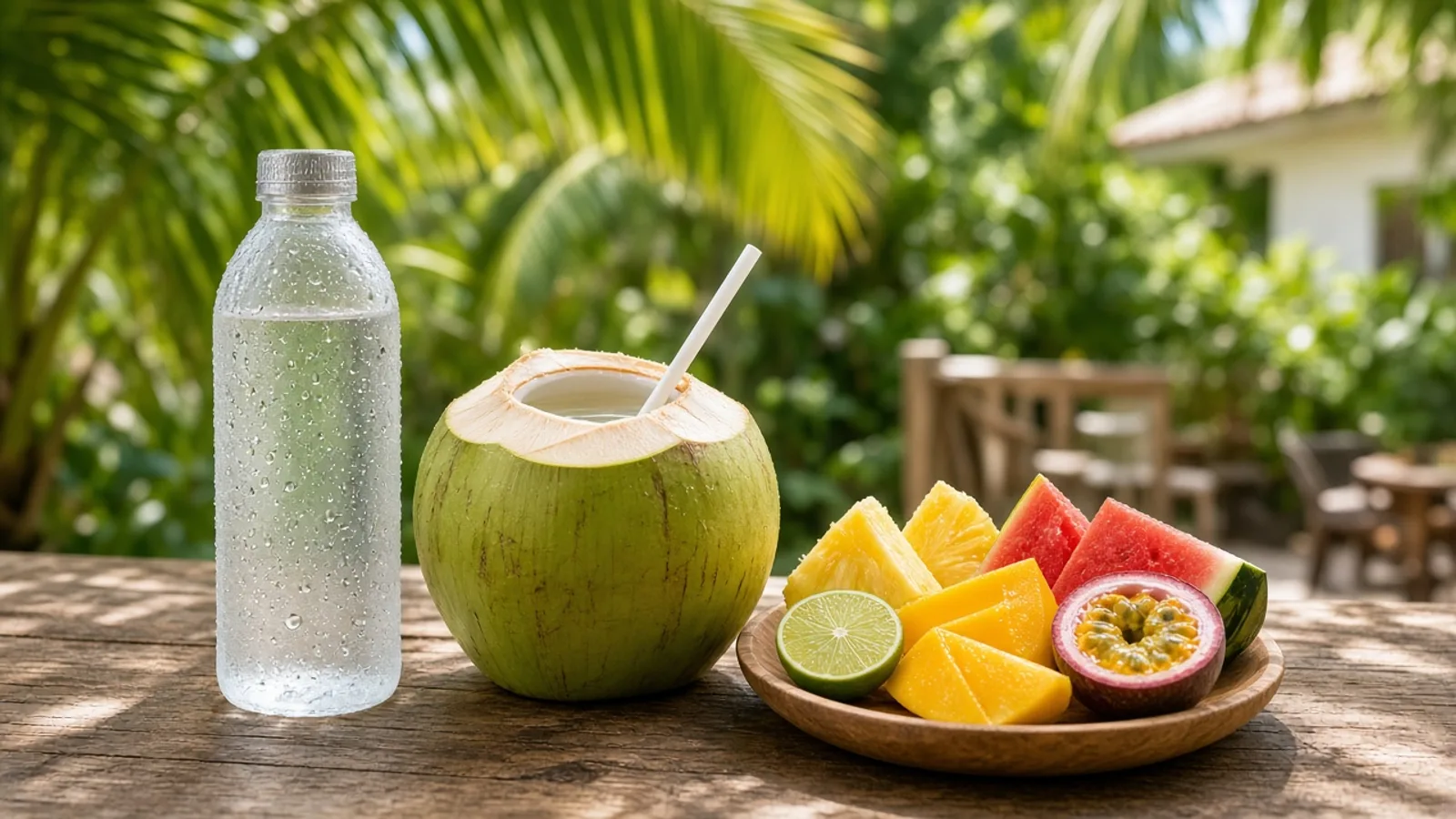
Two liters before noon sounds boring. It beats every "superfood" shake I bought in Nimman. Coconut water helps in Bali heat. I carry a bottle even when cafes sell drinks — saves money and reduces sugar spirals.
When Street Food Failed Me
Food poisoning happens. I do not blame a country — I blame yesterday's risk combo (seafood + long transit + dehydration). BRAT diet, rest, clinic if fever. Then return slowly with hot soups. The goal is long relationship with street food, not one heroic week.