Rinjani Is Not a Viewpoint. It Is a Commitment.
Mount Rinjani is one of Indonesia's most powerful landscapes, but it is not a casual attraction. You do not simply "drop by" for the view. You commit time, money, energy, sore legs, an early start, simple food, mountain weather, and at least a little discomfort. That is exactly why the experience can be so memorable.
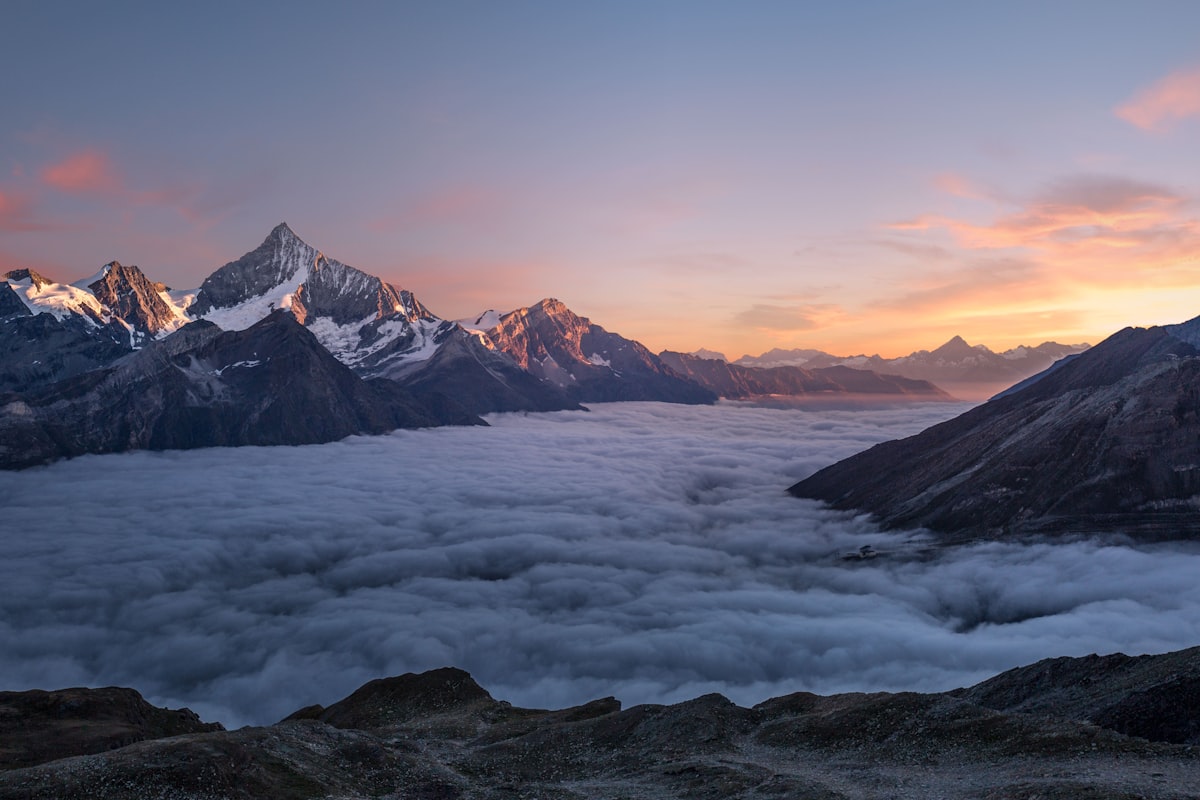
The crater rim view is the image everyone wants: lake below, volcanic cone inside the caldera, ridges dropping into cloud, sunrise spreading across Lombok. It is spectacular. But the value of Rinjani is not only the final view. It is the climb, the dust, the cold morning, the sound of porters moving ahead, the way conversation gets quieter as the slope gets steeper.
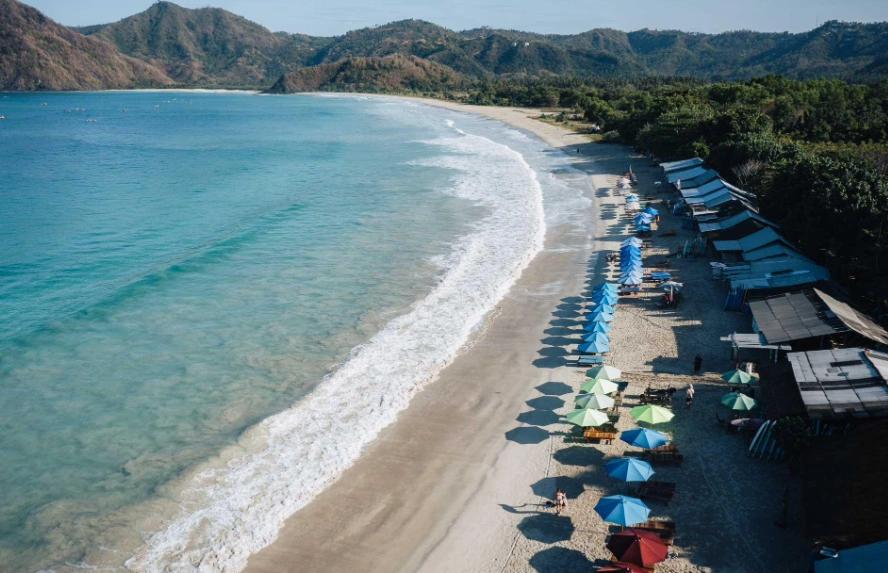
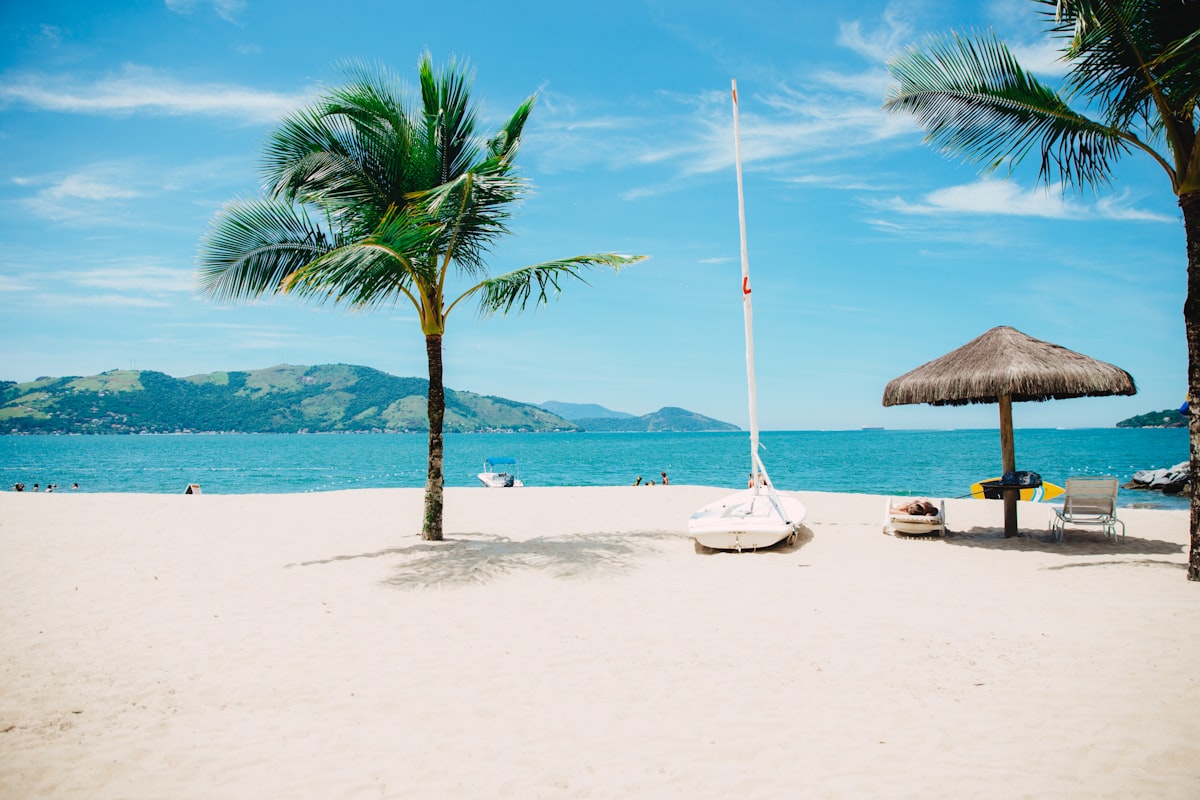
If you want Lombok's soft side, go to the beaches or the Gili Islands. If you want the island's hard, volcanic spine, Rinjani is the one.
Who Should Seriously Consider It?
Consider Rinjani if you are fit, patient, comfortable with basic camping, and excited by physical challenge. You do not need to be a professional hiker, but you should be honest about your knees, stamina, and attitude toward discomfort.
Think twice if you have knee problems, limited time, poor sleep tolerance, or no interest in rough trails. Rinjani is famous, but fame does not make it suitable for everyone.
Choose the Route Based on Your Body, Not Your Ego
Rinjani treks vary. Some focus on the crater rim. Some continue toward the lake. Some attempt the summit. Longer is not automatically better. The summit is demanding, especially on loose volcanic ground where every step can slide. Many travelers are happier with a crater rim route that gives the major view without turning the trip into a survival project.
Ask operators exactly what route is planned, how many hours you walk each day, where you sleep, what gear is provided, and what happens if weather changes. If the answers are vague, keep looking.
Guide and Operator Choice
Use a reputable operator. This is not the place to choose only by price. Ask about tents, sleeping bags, food, water, waste handling, guide-to-guest ratio, porter treatment, emergency plans, and whether the operator follows current national park rules.
Rinjani National Park has official procedures and access conditions that can change because of weather, volcanic activity, trail damage, fire risk, or conservation decisions. Check current status before booking and again before you start.
What the Trek Feels Like
The first hours can feel manageable, which is why people start too fast. Then the trail keeps rising, the sun gets stronger, and the pack or day bag starts to matter. By the time the landscape opens, your body is fully involved in the trip.
Camp is simple. Dinner tastes better than it would anywhere else because you earned it. Night can be cold. Sleep may be broken. Before sunrise, you pull on layers, move stiffly, and wonder why you signed up. Then the light appears, and the crater begins to show itself.
That emotional swing is the Rinjani experience. It is not effortless beauty. It is beauty you reach while tired.
Packing That Matters
Bring proper shoes with grip, warm layers, rain protection, sunscreen, a headlamp, a power bank, and snacks you actually want to eat. A dry shirt for camp can feel luxurious. Trekking poles help if your knees are sensitive.
Do not overpack. Every unnecessary item becomes annoying uphill. At the same time, do not rely on tropical coast logic. Rinjani can be cold and windy before sunrise.
Safety and Weather
Weather matters. Dry season is generally the better trekking window, but mountains do not follow tourist wishes. Trails can close, conditions can shift, and visibility can disappear. Respect closures. They are not suggestions.
Pace yourself, drink water, and communicate early if you feel unwell. Do not wander away from your group for photos. Do not treat the crater edge casually. And do not book a trek that ends right before an international flight. Your body may need a recovery day.
Is Rinjani Worth It Compared with Other Indonesia Volcanoes?
Yes, if you want a serious trek. If you want a dramatic volcanic landscape without a multi-day climb, Flores' Kelimutu Crater Lakes is a much gentler choice. Kelimutu gives color, altitude, and sunrise atmosphere with far less physical demand.
That comparison is useful. Rinjani is not the only way to experience volcanic Indonesia. It is the harder, more immersive option.
Where to Base Yourself Before and After
Your base depends on the route and operator, but many treks begin from villages on the northern side of Lombok. Ask your operator where you need to sleep the night before and whether pickup is included. Do not assume you can stay in Kuta Lombok and casually begin early the next morning without a long transfer.
After the trek, give yourself recovery time. Senggigi, Kuta Lombok, or the Gilis can all work depending on your route, but avoid scheduling a full travel day immediately after descending. Your knees may not enjoy stairs, boats, or long scooter rides right away.
Food, Sleep, and Comfort Expectations
Trek food is usually simple but welcome. You will not remember it as fine dining; you will remember it as warm, salty, and exactly what you needed. Sleep can be rough. Wind, cold, uneven ground, and other groups can interrupt the night.
This is not a failure. It is part of the trek. If you require comfort to enjoy travel, choose a shorter route or skip Rinjani entirely.
Environmental Responsibility
Ask operators how they handle trash. Rinjani has struggled with waste from trekking, and travelers should not pretend the problem belongs only to guides. Carry out what you bring. Avoid single-use extras where possible. Support operators who treat the mountain as more than a product.
Also be mindful of porter labor. Porters often carry heavy loads quickly over difficult ground. Choose companies that speak clearly about porter treatment, gear, and load practices.
Mental Preparation
Rinjani is as mental as physical. There will be moments when the trail feels longer than promised, when the dust is annoying, when the summit or rim seems far away, when you wonder why you did not choose a beach day. That is normal.
The best approach is to break the trek into small sections: next shade, next rest, next ridge, next meal. Do not spend the whole climb thinking about the final view. The mountain becomes manageable when you let the day unfold in pieces.
Practical Questions Trekkers Usually Have
Do you need hiking experience? It helps. You do not need technical climbing skills for common routes, but you should be comfortable walking uphill for hours and descending on tired legs. If your only recent exercise is city walking, train before you go.
Is the summit necessary? No. Many travelers have a powerful experience at the crater rim without attempting the summit. The summit is harder, colder, and more mentally demanding. Choose it because you want that challenge, not because you feel pressured by a package name.
Can you do it in cheap shoes? You might, but you should not. Loose volcanic ground, steep descents, and fatigue make footwear matter. Good shoes will not make the trek easy, but bad shoes can make it miserable.
What Recovery Really Looks Like
After Rinjani, stairs may feel personal. Your calves and knees may be sore, and your body may want salt, sleep, and a swim. Plan accordingly. A slow beach day or Gili recovery makes more sense than a long transfer with multiple connections.
This is another reason to avoid placing Rinjani at the very end of your trip. Give yourself margin. The mountain does not care about your flight schedule.
The Honest Mood Check
Rinjani is not "fun" every minute. Parts are dusty, tiring, cold, or uncomfortable. But the memory can be enormous because you participate in it fully. If you want ease, choose another Lombok attraction. If you want effort that turns into landscape, Rinjani is worth considering.
The mountain also changes how you see Lombok afterward. Beaches look softer, meals taste better, and flat paths feel like gifts. That after-feeling is part of the trek's value.
Talk honestly with your guide about pace. There is no prize for pretending you are stronger than you are. A slower, steadier climb often creates a better trek than racing early and suffering later. Rinjani rewards humility more than bravado.
Also think about where you will sleep after the descent before you book. A quiet room, hot shower, laundry option, and nearby food can matter more than a pretty view when your legs are finished. The practical recovery plan is part of doing Rinjani well.
Final Take
Mount Rinjani is worth it for travelers who want the challenge as much as the view. It is not worth forcing into a relaxed Lombok itinerary just because it is famous. Choose the right route, choose the right operator, leave recovery time, and respect the mountain. Rinjani gives a lot, but it asks for a lot first.