Kota Tua Is Best When You Let It Be Uneven
Kota Tua is not a perfectly restored old town. That is important to know before you go. Some facades look beautiful, some corners feel worn, the traffic presses in around the edges, and the atmosphere changes quickly from one street to the next. If you arrive expecting a polished heritage quarter, you may spend the visit noticing what is missing. If you arrive ready for texture, Kota Tua becomes one of Jakarta's most rewarding areas to wander.
The center of the visit is Taman Fatahillah, the wide square surrounded by old colonial buildings and museums. It is the easiest place in Jakarta to feel a different speed. Kids rent colorful bicycles, families sit along the edges, vendors move through the shade, and old facades hold the square together even when the day is hot and noisy.
The charm is not only architectural. It is the mix of old Batavia, local weekend energy, museum interiors, street snacks, and people using the space in ordinary ways. Kota Tua feels more human than many parts of Jakarta because you can actually slow down and look around.
Who Should Prioritize Kota Tua?
Prioritize Kota Tua if you like historic streets, casual photography, museums, old cafes, and neighborhoods that show their age. It is also a good choice if Jakarta's malls and traffic have started to feel too sealed off from the street.
Skip or shorten it if you dislike heat, crowds, or imperfect restoration. The area can feel sleepy on weekdays and crowded on weekends. Neither version is wrong; they just produce different visits.
Plan the Visit Around One Museum, Not Five
The biggest mistake in Kota Tua is trying to "complete" the museums. You do not need to. Pick one indoor stop, then leave time for the square and side streets. The Jakarta History Museum is the default first choice because it sits right on the square and gives the area context. Wayang Museum is more specific and works if you are interested in puppetry and performance traditions. Bank Indonesia Museum can be a good air-conditioned stop if you want something more polished.
After one museum, go outside again. Sit on the square edge, watch the bicycle rentals, find a drink, then walk slowly toward the streets around the canal or toward Glodok if you want food. Kota Tua is better as a rhythm than a checklist.
Morning or Late Afternoon?
Morning is better for walking and photos without heavy crowds. The light is cleaner, and you can move before the heat becomes the main character. Late afternoon is better for atmosphere, especially on weekends, when the square fills with more local life.
Midday is the weak option. You can still visit, but you will spend more energy managing heat than noticing details. If midday is your only window, choose a museum first, then step outside later.
The Walking Route That Feels Most Natural
Start at Taman Fatahillah. Take in the square before entering anything. Then choose one museum. After that, walk the square edges instead of cutting straight across the center. The edges give you more shade, better people-watching, and more angles for photos.
From there, decide whether your day is about history or food. For history, stay around the square, cafe streets, and old buildings. For food, continue toward Glodok, Jakarta's Chinatown. The walk is possible, but the comfort level depends on heat and traffic. If you feel tired, take a short ride instead of forcing it.
What Kota Tua Feels Like on the Ground
You hear bicycle bells, traffic hum, music from someone's speaker, and the occasional shout from a vendor. The old buildings look best when you step back and let people move through the frame. Up close, some walls show age. That is part of the place.
The square can feel theatrical, especially with the bright rental bicycles and photo props. I would not fight that. Let it be playful. Then move into side streets when you want a quieter view.
Best Photo Spots
The classic photo is from the square facing the old facades. For a better image, include movement: someone crossing the square, a bicycle passing, a family sitting in shade. Kota Tua looks more alive when it is not empty.
Side streets are better for detail: shutters, peeling paint, doorways, small stalls, parked bikes, and the contrast between old walls and modern Jakarta life. If you like street photography, be patient and respectful. Ask before photographing people closely.
Pairing Kota Tua with Other Jakarta Stops
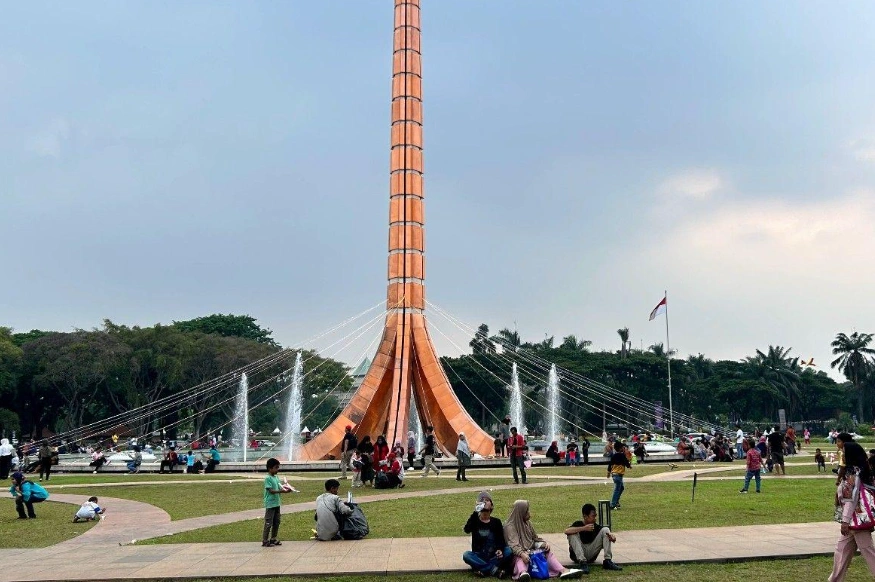
Kota Tua pairs well with National Monument if you start early. Monas gives you the formal capital; Kota Tua gives you older Jakarta. Together they make a good first-time route, but leave room for traffic between them.
It also pairs naturally with Glodok for food. You can move from colonial facades to Chinatown snacks in the same half day, which is one of the more satisfying Jakarta contrasts.
For another Indonesian old-city experience with a very different rhythm, compare Kota Tua with Yogyakarta's Kraton Palace. Kota Tua is worn, urban, and busy. The Kraton is quieter, more ceremonial, and more tied to living court culture.
What I Would Not Do
I would not visit Kota Tua as a rushed taxi stop. If you only jump out for a photo in the square, it may feel thin. I would not schedule it after a long hot morning somewhere else unless you plan to sit down often. And I would not expect every building to tell its story clearly. Some of the experience is visual and atmospheric rather than neatly explained.
How to Make Kota Tua Feel Less Touristy
The easiest way is to move slower than the crowd. Most visitors cluster in the square, take photos, rent a bicycle, enter one museum, and leave. That is fine, but the area opens up when you step away from the center. Walk the side streets. Look for small food carts, old doorways, and buildings that are not freshly painted. Sit for ten minutes instead of constantly moving.
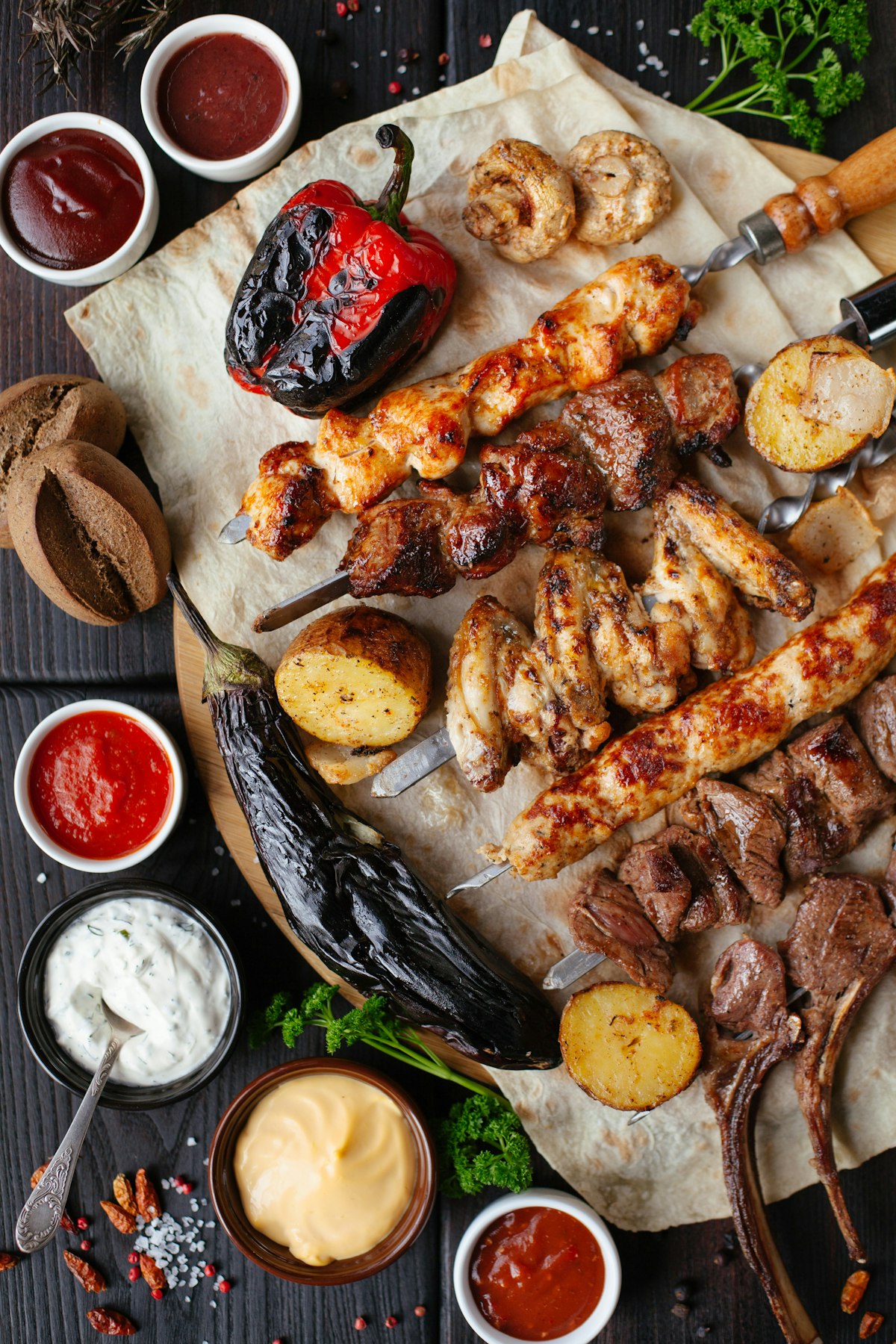
Another trick is to visit with a food goal. Glodok is close enough to make the day feel more local and less like a museum loop. Go from Kota Tua's old facades into Chinatown snacks, kopi, noodles, or small bakeries. Suddenly the old town is not an isolated tourist zone; it becomes one chapter in north Jakarta's layered history.
Weekday vs Weekend Mood
Weekday Kota Tua is better for quieter photos and easier walking. The tradeoff is that it can feel sleepy. Weekend Kota Tua has more energy, more families, more street life, and more crowds. Neither is better for everyone.
If you want atmosphere and people-watching, choose late afternoon on a weekend. If you want architecture and a less hectic museum visit, choose a weekday morning. If you dislike crowds but want some local life, a Friday or early Saturday before peak hours can be a good compromise.
How Much Jakarta History Do You Need Before Going?
You do not need to study old Batavia before visiting, but a little context helps. Kota Tua was once the colonial center, and the square still carries that older European plan. The interesting part today is not only what remains from that period, but how the city has grown around it. The old buildings no longer sit in a preserved bubble. They sit inside Jakarta: noisy, humid, practical, imperfect.
That contrast is the point. Kota Tua is not a time machine. It is a place where the past has to share space with motorbikes, school groups, street vendors, and people looking for shade.
Who Should Skip Kota Tua?
Skip it if you have no patience for worn buildings or hot walking. Skip it if you only enjoy attractions that feel fully restored and easy to interpret. Kota Tua asks you to tolerate rough edges.
But if you like cities with texture, it is one of the best Jakarta stops. It gives you something many modern districts do not: a reason to walk slowly and look at street-level life.
The Honest Mood Check
Kota Tua is most satisfying when you stop measuring it against cleaner old towns elsewhere. It is Jakarta's old town, which means it carries history, humidity, traffic, repairs, crowds, and ordinary city life all at once. That mix is exactly why it feels real.
Give yourself permission to like the imperfect parts. A cracked wall, a noisy square, or a vendor waiting in the shade may tell you more about Jakarta than a perfectly restored facade would.
If you feel unsure what to do next, sit down rather than leaving immediately. Kota Tua improves when you watch it for a while: bicycles circling, museum groups forming, friends posing, vendors negotiating shade. The square is part attraction, part public living room.
Final Take
Kota Tua is worth visiting because it gives Jakarta texture. It is imperfect, sometimes hot, sometimes crowded, and much more interesting when you accept those conditions. Choose one museum, walk slowly, pair it with food nearby, and let the old town feel like a neighborhood rather than a heritage display.