
Hoi An feels like a coffee town in the early morning and a lantern town by afternoon. Before tour groups fill the yellow walls, a handful of roasteries and serious cafes open for locals, hotel staff and the few travelers who wake early. That hour is when a roastery visit works best: you can taste, ask about beans and walk the quiet lanes without treating coffee as fuel between photo stops.
The specialty scene here is smaller than in Ho Chi Minh or Hanoi, but it sits close to central Vietnam's travel routes. Beans from the highlands still pass through, and some shops roast lightly for filter drinkers who want something brighter than the default dark phin profile.
How Roasteries Differ From Riverside Cafes
Riverside seating sells atmosphere. Roasteries sell decisions: origin, roast level, grind and brew method. In Hoi An the two sometimes share a building, which can confuse visitors. Look for bag sales, visible roast dates and staff who discuss processing, not only latte art.
If the menu lists dozens of flavored drinks and no black coffee, you are in a cafe that buys beans elsewhere. That can still be pleasant, but it is not why you opened a roastery guide.
Central Vietnam Beans in the Cup
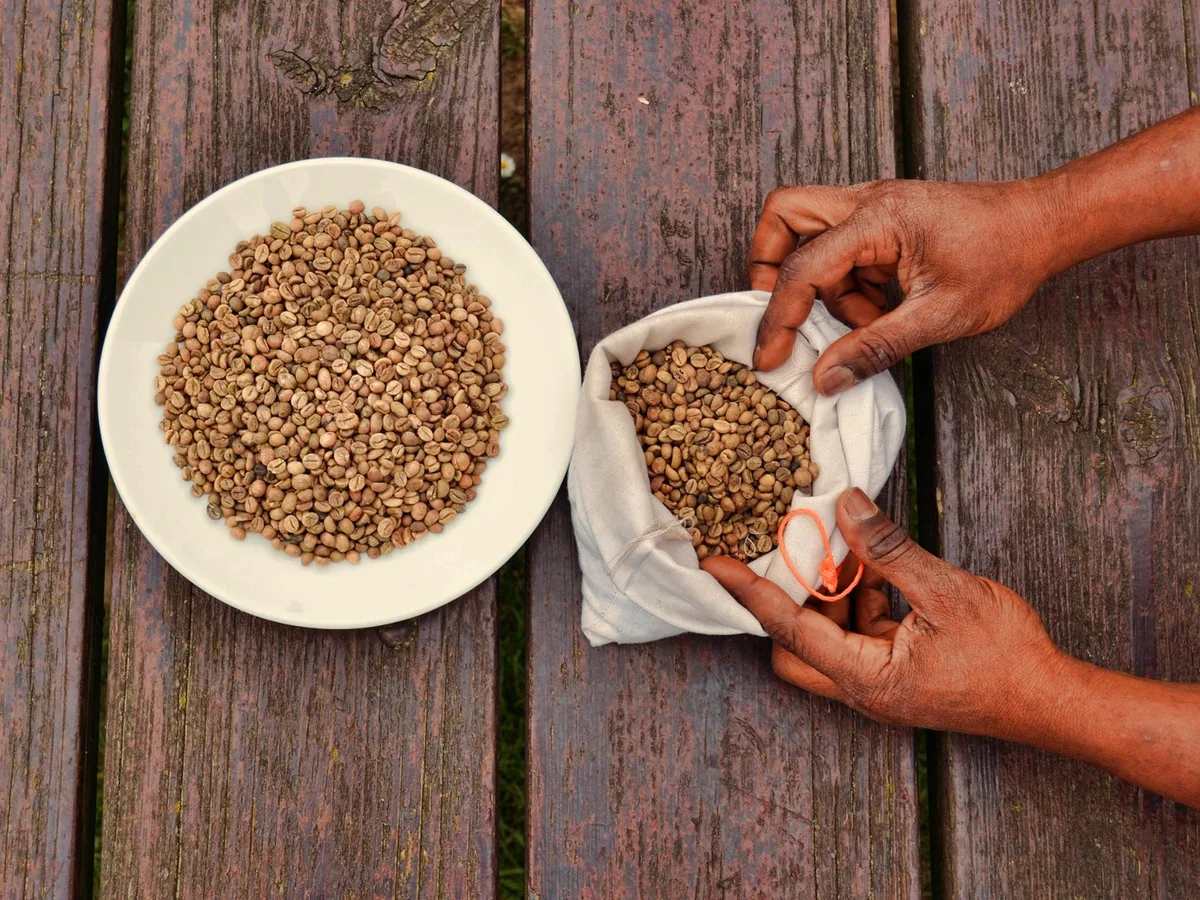
Many roasters here work with arabica and robusta from Lam Dong and surrounding highland areas, the same broad region that supplies Da Nang and much of the country's specialty output. Natural processed lots can taste fruity and sweet; washed lots are often cleaner with clearer acidity.

Ask whether a coffee is intended for phin, espresso or pour-over. A roast tuned for condensed milk can taste flat black, while a delicate filter roast may disappear in a large iced latte.
A Morning That Respects the Town's Rhythm
Start before nine when motorbike noise is lower and the heat is still manageable. Order one filter coffee and sit where you can watch the street wake up. If you plan to enter the ancient town later, treat the roastery as breakfast for the mind, not a second breakfast for the stomach.
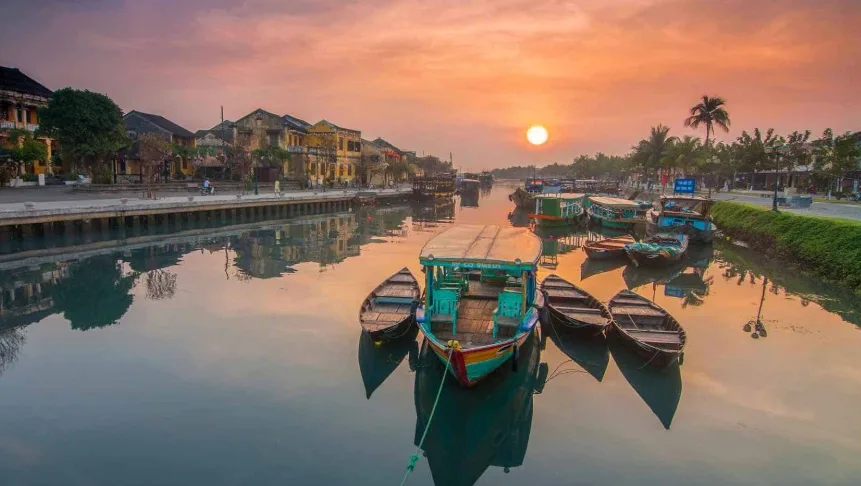
Pair the visit with a walk toward the market or the Thu Bon river edge rather than jumping straight into ticketed heritage streets. Coffee clarity and heritage crowds do not mix well in the same hour.
Buying Beans on a Short Stay
Humidity from the coast reaches Hoi An quickly. Buy whole beans in small quantities, sealed well, and avoid opening the bag daily if you are saving it for home. Grind-to-order is fine if you will use it within days; otherwise carry whole beans and grind at home.
Prices are usually lower than in Western cities, but tourist-area markups exist near the most photographed corners. Walking one block off the main loop often finds the same roaster's second counter with less markup.
Links That Help the Rest of the Trip
The ancient town guide covers timing and tickets once you are ready for crowds. An Bang beach is a separate afternoon; do not try to combine a slow tasting with a beach sunset unless you have a full day. The Hoi An city hub keeps food, tailoring and transport in one place.
Telling Quality From Decor
Yellow walls and wooden beams are everywhere in Hoi An; they do not prove coffee quality. Quality shows up as dated bags, consistent brewing, and answers that mention farms or provinces rather than "premium blend."
Staff who admit a bean is better with milk than black are often the most trustworthy. That honesty saves you from buying something that does not match your home setup.
When Roasteries Are the Wrong Choice
Rainy-season afternoons when you mainly need dry seating, or nights when you want beer and people-watching. Roasteries reward curiosity and a ten-minute conversation, not a loud group looking for cocktails.
If you need laptop hours, pick a cafe that advertises wifi and tables explicitly. Roastery counters are for tasting and buying, not for occupying the best seat through a video call.
Leaving With One Clear Memory
Choose one coffee that surprised you and note why: sweeter than expected, sharper with milk, or smoother after it cooled. That note helps you buy beans with intention instead of choosing the prettiest bag.
Hoi An sells a lot of silk and lanterns. A small bag of well-chosen coffee is a lighter souvenir that still carries the place home, as long as you respect freshness and the town's unhurried morning pace.
Rainy Season and Indoor Tasting
Hoi An floods occasionally in wet months. Roasteries with dry seating become valuable when street photography plans collapse. Keep shoes that grip; coffee spills on tile floors are common when crowds shake umbrellas indoors.
On dry days, sit where you can watch bicycle delivery stacks of herbs pass by. Those scenes explain why Hoi An food culture and coffee culture both reward patience.
Tailoring Appointments and Coffee Timing
Tailors often ask you to return the next day for fittings. Schedule roastery visits on fitting mornings rather than lantern nights when you are tired and less able to taste nuance.
If you ride bicycles between An Bang and the old town, secure beans inside a frame bag, not a loose front basket that bounces over brick streets.
Lantern Nights and Sleep
Full-moon lantern evenings stretch late. Shift serious filter tastings to mornings after quiet nights when old-town crowds thin.