For a first trip to Ho Chi Minh City, I would keep things fairly simple. You can see quite a lot in a couple of days because many of the best-known attractions are close to each other, especially around District 1.
What makes the city interesting is the contrast. One minute you are standing in front of an old French-era building, and a few streets later you are eating noodles at a busy roadside stall with motorbikes flying past. There are museums for history lovers, markets for food and shopping, quiet temples, rooftop bars, and plenty of streets where the best thing to do is simply walk around and see what is happening.
Here are some of the places I think are worth putting on your list.
1. War Remnants Museum
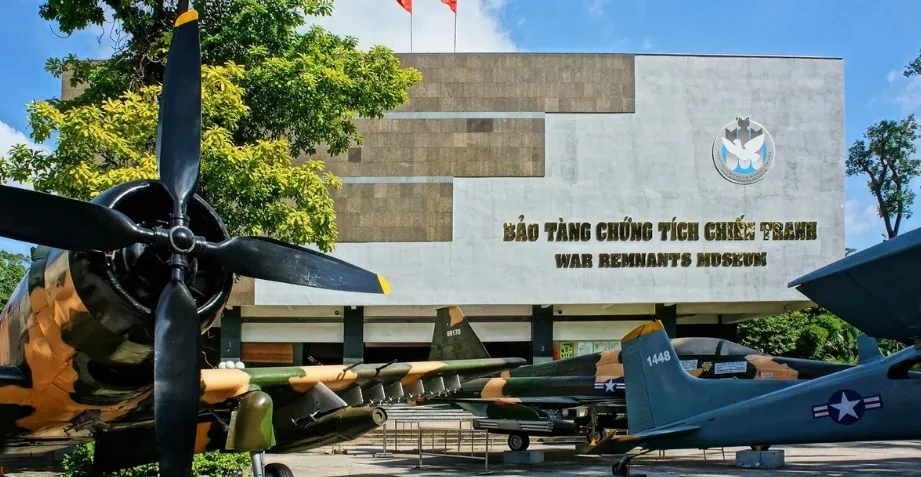
The War Remnants Museum is one of the most visited attractions in Ho Chi Minh City, and it is also one of the more serious stops on a city itinerary.
The museum focuses on the Vietnam War and its impact on the country and its people. Some of the exhibitions are difficult to take in, so I would not describe it as a light or casual sightseeing stop. Still, it gives visitors a much deeper understanding of Vietnam's recent history.
Even travelers who are not particularly interested in museums often find this one memorable.
I would allow at least one to two hours rather than trying to rush through it.
2. Independence Palace
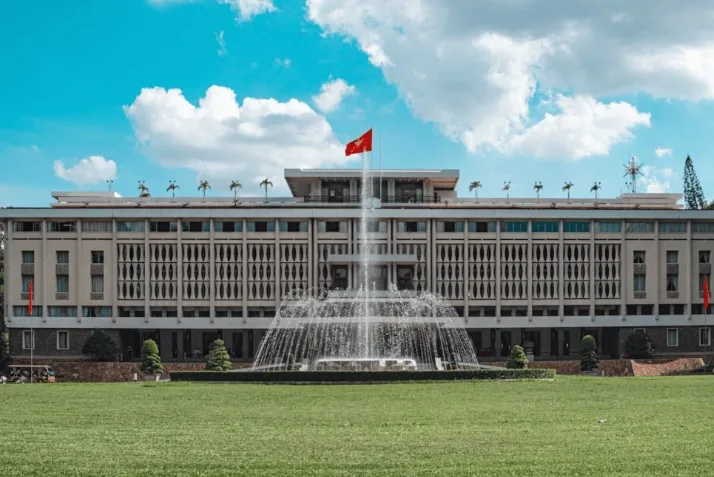
Independence Palace is another major historical landmark in the city. The building itself is interesting, with its distinctive 1960s architecture, large rooms, underground areas, and preserved interiors.
It is easy to combine with the War Remnants Museum because the two are relatively close. That makes them a good pair for the same morning or afternoon.
What I liked here is that the visit feels different from a traditional museum. You get a sense of what the building looked and felt like during an important period in Vietnam's history.
3. Ben Thanh Market
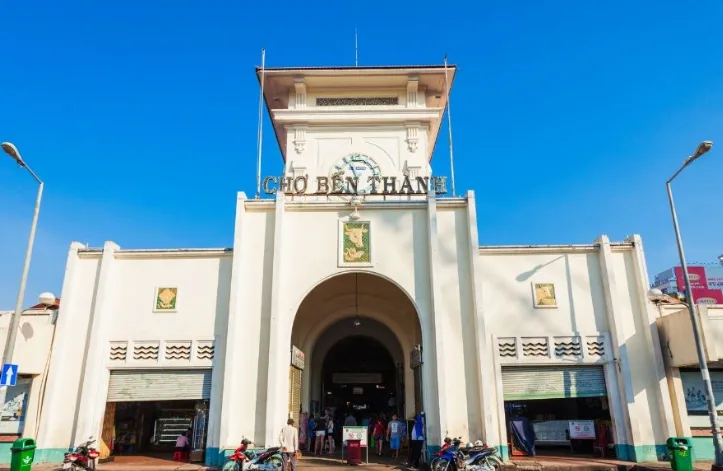
Ben Thanh Market is probably the place most visitors think of when they hear about shopping in central Ho Chi Minh City.
It can be busy, noisy, and a little overwhelming, especially when you first walk in. That is part of the fun.
You will find souvenirs, clothing, dried food, snacks, coffee, spices, and plenty of things aimed at tourists. Prices are often negotiable, so do not feel pressured to accept the first price you hear.
Even when I am not shopping, I think it is worth walking through the market just to experience the atmosphere. For a quieter experience, go earlier in the day.
4. Saigon Central Post Office
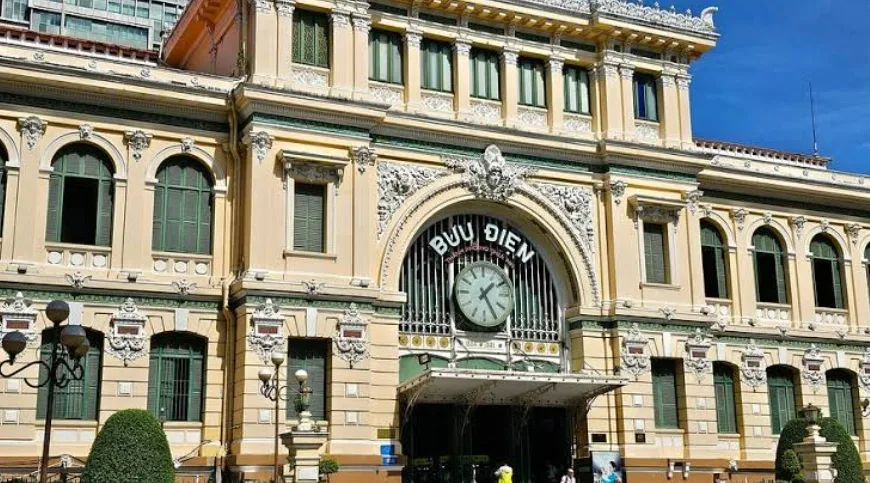
The Saigon Central Post Office is one of those attractions that only takes a short time to visit, but it is easy to combine with other sights nearby.
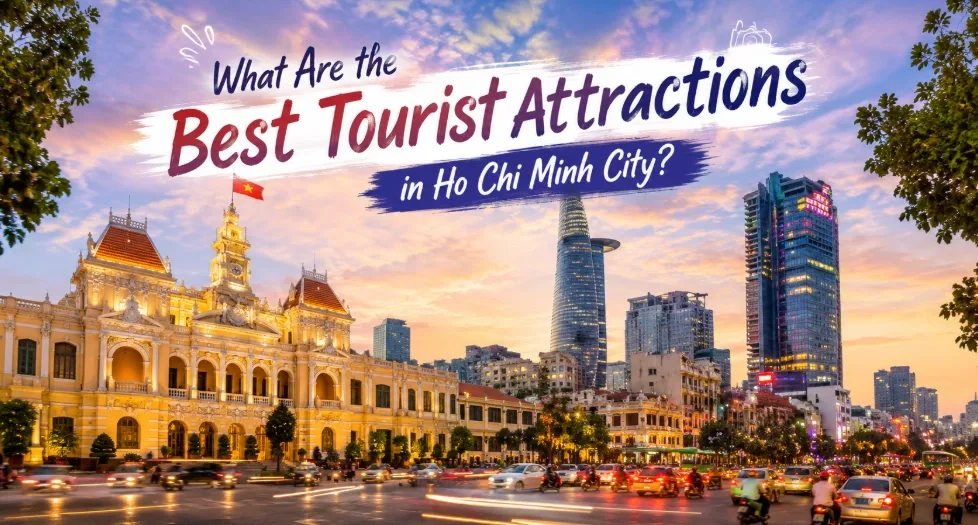
The building is known for its beautiful colonial architecture and high interior ceiling. It is still a working post office, which makes the experience feel more interesting than simply visiting an old building that has been turned into a tourist attraction.
You can take a few photos, look around inside, and then continue exploring the surrounding area.
The location is particularly convenient because it is close to several other central landmarks.
5. Notre-Dame Cathedral Basilica of Saigon Area
The cathedral is one of the best-known landmarks in central Ho Chi Minh City and is located near the Central Post Office.
Even if you are mainly interested in architecture rather than religion, the area is worth seeing as part of a walking route through the city center.
Depending on the current restoration and access situation, visitors may not always be able to explore the interior as they would a regular tourist attraction, so I would treat it more as part of the surrounding city walk rather than planning your entire afternoon around it.
6. Nguyen Hue Walking Street
Nguyen Hue Walking Street is one of my favorite places to visit when I want to experience the city without a strict sightseeing schedule.
The wide pedestrian street runs through the heart of the city and is surrounded by restaurants, hotels, cafes, and historic buildings. It is especially lively in the evening when locals come out to meet friends, take photos, and spend time together.
This is also a good place to simply stop for a drink and watch the city for a while.
Sometimes the most memorable part of visiting Ho Chi Minh City is not a famous attraction at all. It is sitting somewhere central and watching the constant stream of people and traffic.
7. Bui Vien Walking Street
Bui Vien is a completely different experience from Nguyen Hue.
It is known for nightlife, cheap drinks, restaurants, hostels, music, and a much louder atmosphere. It is popular with backpackers and younger travelers, although people visit simply to walk through and see what it is like.
Personally, I would not spend an entire evening there unless you enjoy busy nightlife. But it is worth seeing once, especially if this is your first time in the city.
Go later in the evening when the street is at its liveliest.
8. Jade Emperor Pagoda
For something quieter, head to the Jade Emperor Pagoda.
The temple has a very different atmosphere from the busy streets around District 1. Inside, you will find detailed statues, incense, and traditional religious architecture.
It is a good stop for travelers who want to see another side of Ho Chi Minh City beyond shopping and historical landmarks.
The visit does not take very long, so it is easy to add to a half-day itinerary.
9. Explore Cholon and Binh Tay Market
If you have more time, head toward Cholon, the city's Chinatown area.
This part of Ho Chi Minh City feels different from the central tourist district, with Chinese-influenced architecture, temples, markets, and local businesses.
Binh Tay Market is one of the main places to visit in the area. Unlike Ben Thanh Market, which is heavily visited by tourists, Cholon can feel more connected to everyday local commerce.
I would recommend visiting this part of the city when you have already seen the central attractions and want something a little less predictable.
10. Explore Ho Chi Minh City by Cafe Hopping
This may not appear on every list of "top tourist attractions," but I think it deserves a place here.
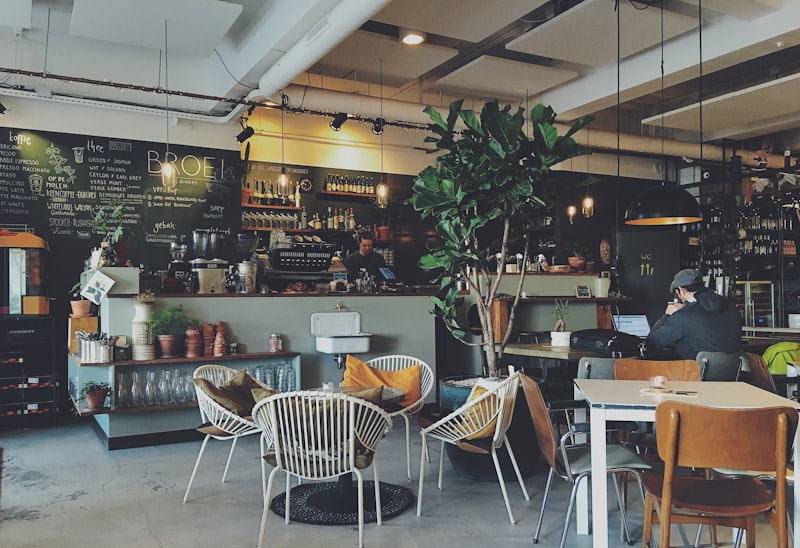
Ho Chi Minh City has a huge cafe culture, and sitting down for Vietnamese coffee is one of the easiest ways to slow down during a busy sightseeing day.
Try traditional Vietnamese iced coffee with condensed milk, or order egg coffee if you want something a little different.
You do not need to find the most famous cafe in the city. Some of the fun comes from discovering small places tucked away above shops or down narrow streets.
For me, this is one of the experiences that makes the city feel more personal.
11. Take a Saigon River Cruise
The Saigon River offers a different perspective of the city, especially around sunset and after dark.
A river cruise is not essential for a first visit, but it can be a nice change from walking through crowded streets. Depending on the type of cruise, you can simply enjoy the skyline or combine the experience with dinner.
It is particularly appealing for couples or anyone who wants a slower evening after a busy day of sightseeing.
12. Visit the Cu Chi Tunnels
The Cu Chi Tunnels are outside the city center, but they are one of the most popular experiences for people visiting Ho Chi Minh City.
The underground tunnel network is connected to the history of the Vietnam War and offers visitors a closer look at how the tunnels were used.
You will need to set aside several hours for the trip, and organized tours are a common option. Whether it is worth visiting depends on your interests, but for travelers who want to understand more about Vietnam's history, it can be a worthwhile addition.
I would not try to squeeze it into an already packed city sightseeing day.
How Many Days Do You Need for Ho Chi Minh City?
For most first-time visitors, two to three days is enough for the main attractions in Ho Chi Minh City.
With one day, you can focus on District 1 and visit places such as the Central Post Office, Independence Palace, Ben Thanh Market, and Nguyen Hue Walking Street.
With two days, you can slow down and add the War Remnants Museum, temples, cafes, and Cholon.
Three days gives you more flexibility. You could spend one day on the central sights, another exploring different neighborhoods, and the third taking a trip to the Cu Chi Tunnels.
If you enjoy food and city life, staying four days or longer is also easy. Ho Chi Minh City is the kind of place where you can fill an extra afternoon without needing another major attraction.
What Are the Best Tourist Attractions in Ho Chi Minh City for First-Time Visitors?
If this is your first time in the city and you do not want to overplan, I would start with:
- War Remnants Museum for history
- Independence Palace for another side of the city's past
- Ben Thanh Market for the classic market experience
- Central Post Office for architecture
- Nguyen Hue Walking Street for the city atmosphere
- Jade Emperor Pagoda for culture
- Cholon for a different neighborhood experience
- Cu Chi Tunnels for a day trip outside the center
Final Thoughts on Ho Chi Minh City Attractions
The best tourist attractions in Ho Chi Minh City are not all about ticking famous landmarks off a list.
The major museums and historic buildings are worth visiting, but I would also leave time to walk around, stop for Vietnamese coffee, explore a local market, and see what happens after sunset.
That mix is what makes the city interesting. You can spend the morning learning about Vietnam's history, have lunch at a tiny local restaurant, and end the day watching the streets come alive around Nguyen Hue or the Saigon River.
For a first visit, two or three days is a good starting point. After that, it really depends on how much you enjoy the city's food, neighborhoods, and fast-moving urban energy.