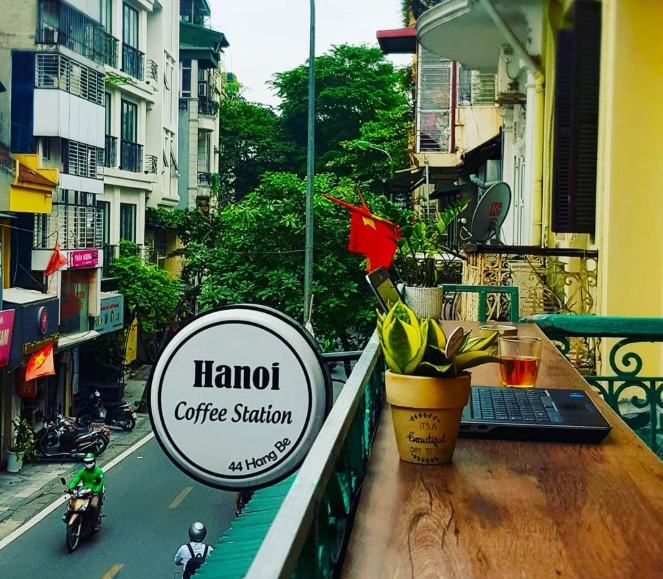
A specialty cafe in Hanoi is a different thing from the traditional coffee shop on the corner, even when the two sit on the same street. The traditional shop serves one style of coffee to a neighbourhood crowd, quickly and cheaply. The specialty cafe treats coffee as a subject, with a menu that names origins, a choice of brewing methods and staff who can explain what they are serving. Both are worth your time, and the contrast between them is part of what makes Hanoi interesting.
This guide is about the specialty cafe as a place to spend time. It covers what the menu means, how the room usually works, when to go and how to tell a serious cafe from one that only looks the part.
How Specialty Coffee Differs Here
Vietnamese coffee culture grew on robusta, condensed milk and the phin filter. That tradition is strong, and it is not going anywhere. The specialty scene arrived later and borrowed its habits from coffee culture elsewhere: lighter roasts, single origins, and a focus on how the beans were grown and processed.
What that means in practice is a wider range. You can still get a strong, sweet iced coffee, but you can also order a pour-over of a northern arabica and taste something floral and light. A good specialty cafe will make both, and will not treat one as more legitimate than the other.
Reading the Menu
The menu is the clearest guide to what kind of cafe you are in. A specialty cafe usually separates espresso drinks from filter coffee, names the beans it is using, and offers the same coffee more than one way. You might see a long black and a flat white alongside a V60, an AeroPress or a cold brew.
Single origin means the coffee comes from one place, often one farm or one lot. Blends combine beans for balance and are usually what a milk drink is built on. If the menu lists a country or a province, that is a sign the cafe wants you to notice what you are drinking.
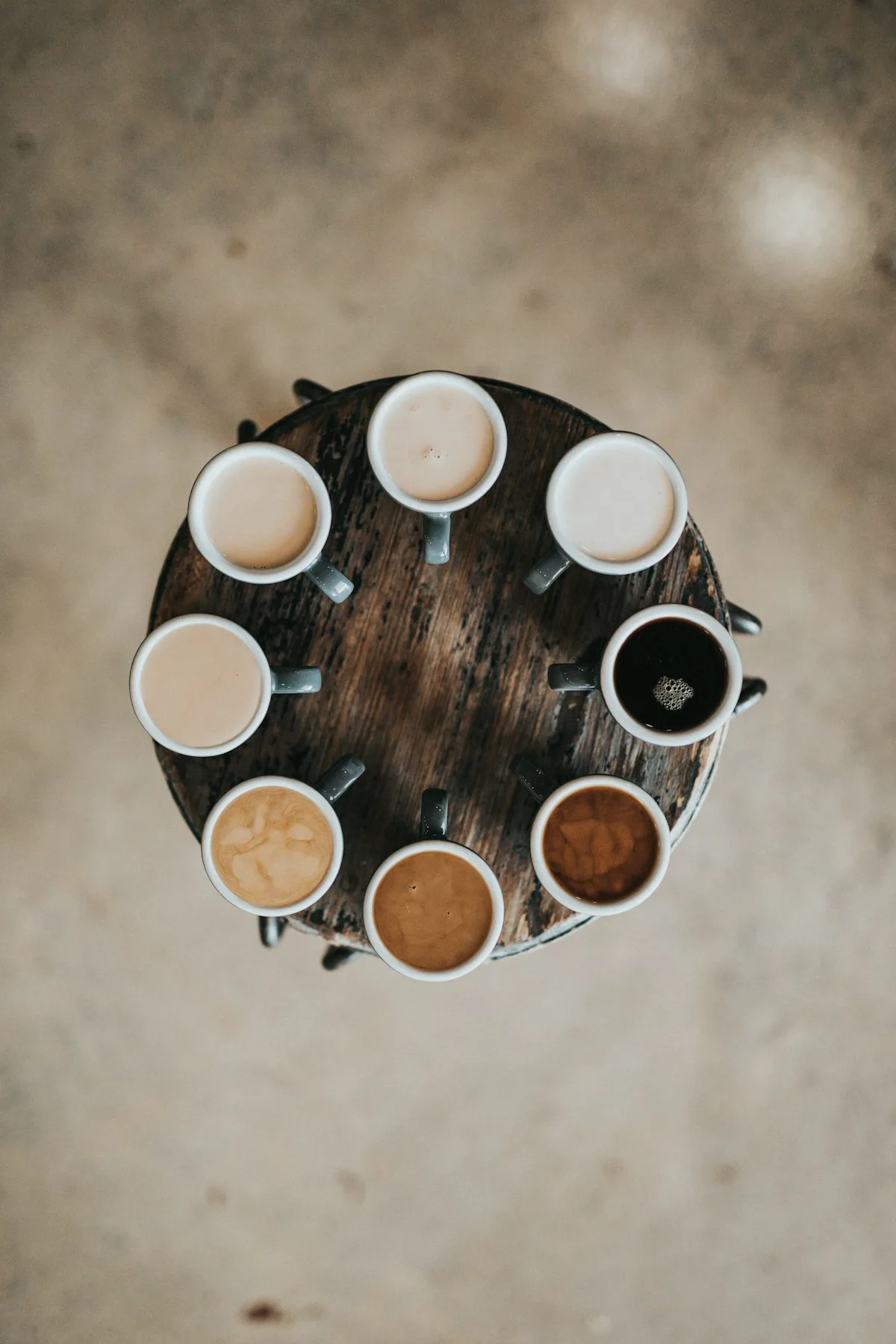
Ordering is simple once you decide what you want. If you want to taste the coffee, ask for a filter of the current single origin and drink it black. If you want comfort, a flat white or an iced latte is a safe choice, and in Hanoi they are usually made well.
The Room and the Atmosphere
Specialty cafes in Hanoi tend to be designed rather than inherited. Expect wood, concrete, plants, good lighting and somewhere comfortable to sit. Some are quiet and bookish, with people reading or working. Others are social, busy and loud. The style of the room tells you which experience you are about to have.
Seating varies too. A long communal table suits a laptop and a long stay. Low stools and small tables suit a quick cup and a conversation. If you plan to settle in, look for a seat with a back and a table that fits more than a phone.
Food, Pastries and Lunch
Coffee is the reason these cafes exist, but most serve food as well, and it is often better than you expect. Breakfast tends to be the strongest meal, with eggs, toast, granola, pastries and Vietnamese dishes served in a modern way. Lunch is usually a short menu of rice, noodles or salads, and it is a convenient option if you want to stay in one place.
If you are deciding where to eat, remember that the food is a supporting act. Come for the coffee and treat the menu as a bonus, and you will rarely be disappointed.
When to Go
Timing changes the experience more than the menu does. Early morning belongs to people grabbing a coffee before work, and the room moves quickly. Mid-morning is the calmest stretch, when you can get the seat you want and the staff have time to talk about the beans. Lunch brings a second rush, and the afternoon is steady rather than hectic.
Weekends are busier across the board, and the most popular cafes fill up by mid-morning. If a place is full, walk a block and try the next one, since Hanoi has enough coffee that a long queue is rarely worth joining.
Prices and Etiquette
Prices at a specialty cafe sit above the street stalls and below what you would pay for the same quality in a large Western city. A pour-over costs a little more than a milk drink, because it takes longer to make. Card and QR payment are increasingly common, but carrying small notes is still sensible.
The main etiquette is simple: order something, and keep ordering if you stay a long time. A second coffee or a snack every couple of hours keeps your table fair, and staff notice the difference between a customer and someone who has moved in for the day.
Cold Brew and Iced Coffee in Hanoi's Heat
In a city this hot and humid, the cold drinks matter as much as the hot ones, and the specialty cafes have built a serious menu around them.
Vietnamese iced coffee, the ca phe sua da, is the local standard: strong, sweet and served over a glass of ice. It is not a light drink, and it is meant to be sipped slowly as the ice melts and the coffee softens.
The specialty version of the same idea is cold brew, coffee steeped in cold water for many hours and served without the bitterness that heat can pull out of the grounds. It is smoother and lower in acid than a hot brew cooled down, and it suits the climate, which is why so many cafes keep a batch on the go.
If you want something between the two, ask for an iced pour-over or an iced long black. Both keep the character of the beans while giving you something cold, and they are a good way to taste a single origin without drinking it hot in the middle of a Hanoi afternoon.
Telling a Serious Cafe from a Polished One
A serious cafe can explain its coffee. Ask what the beans are and how they were processed, and listen to the answer. If the reply is specific about origin, process and roast, you are in the right place. If it is vague, the coffee may still be fine, but the cafe is more about atmosphere than about the cup.
The equipment is another clue. A scale, a timer, a grinder with a visible setting and a barista who weighs the dose all point in the right direction. So does a short menu done well, rather than a long list of drinks nobody can keep track of.
If You Want to Work
Many specialty cafes welcome laptops, but not all of them, and the ones that do are not always the best choice for a full working day. A cafe is a social space first, and the noise and the movement through the room make long focused sessions difficult. If you need a reliable desk, wifi and power for hours, a work cafe is a better fit, and the laptop cafe guide explains what to look for. For meetings and guaranteed quiet, the coworking guide covers the city's proper workspaces.
Making the Most of a Visit
A specialty cafe rewards a little curiosity. Order something you have not tried, sit where you can watch the bar work, and ask one question about what is in your cup. Then slow down and let the coffee be the reason you are there.
That is the real difference between a specialty cafe and a place to buy caffeine. It is built for the hour you spend inside it, not just the drink you carry out. In a city as busy as Hanoi, an hour like that is worth planning around, and the local roastery guide goes deeper into the beans if the coffee itself is what you came for.