
Hanoi has been a coffee city for far longer than it has been a specialty coffee city. The everyday cup is robusta, brewed slowly through a metal phin and served with condensed milk, and that is still what most people drink. Alongside it, a smaller scene of local roasteries has grown up, run by people who roast their own beans, argue about processing methods and treat coffee the way a wine bar treats wine. A local roastery is the place to go if you want to understand what is in the cup rather than just drink it.
This guide is about that side of Hanoi coffee. It explains where the beans come from, how roasters here work, what to taste and what to buy, so that a visit turns into something you can keep using after you leave.
What a Local Roastery Actually Is
The word is used loosely, so it helps to be precise. A local roastery roasts coffee, usually in small batches, and sells it either by the cup or by the bag. Some roast on the premises and keep a drum roaster behind the counter. Others roast in a small workshop outside the city and run a cafe as the shopfront. Both count.
The defining detail is control. A roastery chooses its green beans, decides the roast profile and can tell you when the coffee was roasted. That is the difference from a cafe that buys a branded blend and never thinks about it again. It is also why the questions you ask at a roastery get real answers rather than a shrug.
Where Hanoi's Beans Come From
Vietnam is one of the world's largest coffee exporters, and most of that volume is robusta grown in the central highlands. The specialty scene leans on the same country but a different set of farms. Arabica grows in the cooler northern hills, in provinces such as Son La and Dien Bien, and in the highlands around Da Lat in the south. Small lots from these areas turn up on roastery menus in Hanoi with the farm or the province named.
Robusta has not disappeared, and it should not. Well-processed Vietnamese robusta can be sweet, nutty and full-bodied, and it makes an excellent espresso or a richer iced coffee. A good roastery will be honest about which species you are drinking, because the two taste different and are priced differently.
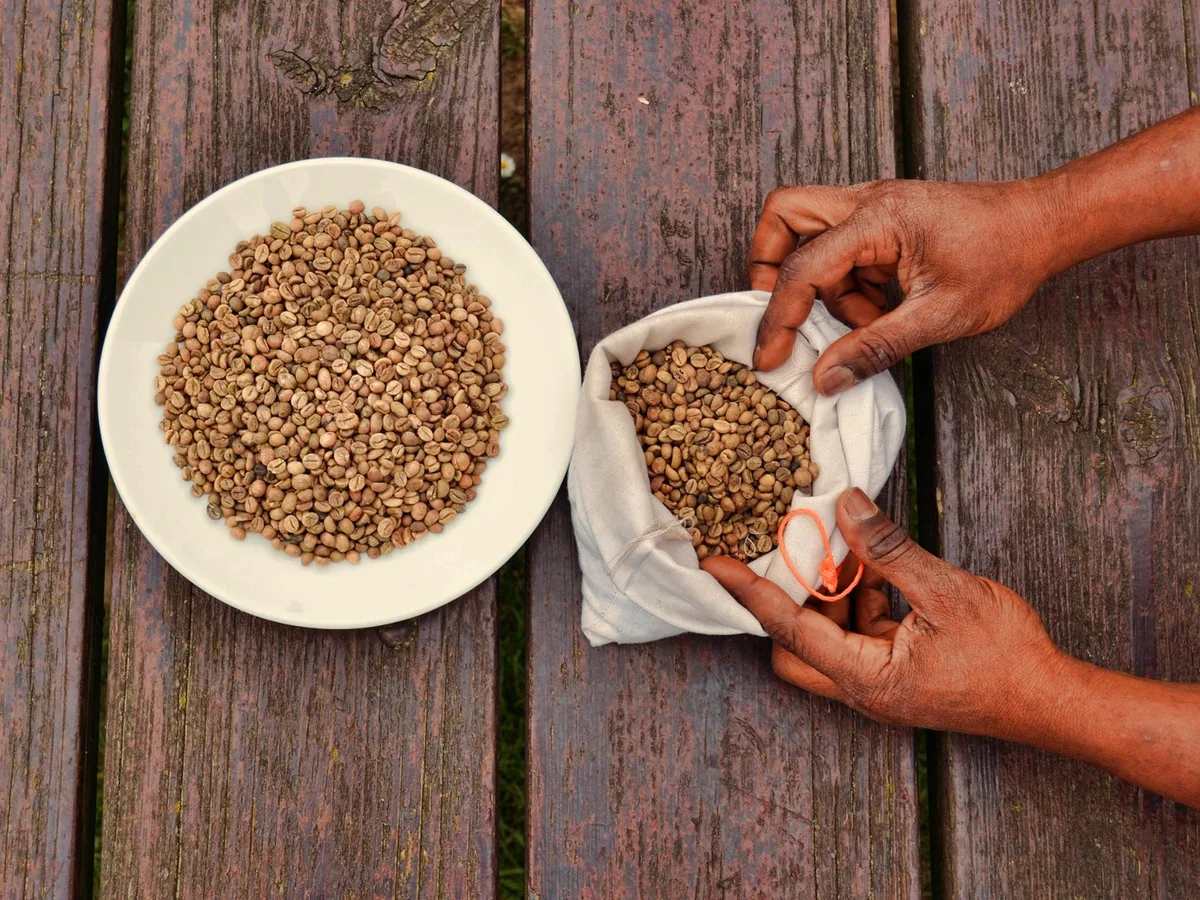
Processing matters as much as origin. Washed beans are usually cleaner and brighter. Natural beans, dried with the fruit still on, are sweeter and fruitier. Honey processing sits between the two. Ask which method your beans went through and you will start to taste the difference within a few cups.
How Roasting Works Here
Roasting is where a green bean turns into something you recognise. A light roast keeps more of the bean's acidity and origin character, while a darker roast develops the caramel and chocolate notes that stand up to milk. Vietnamese coffee culture has historically favoured the darker end, partly because dark roasted robusta is what pairs with condensed milk.
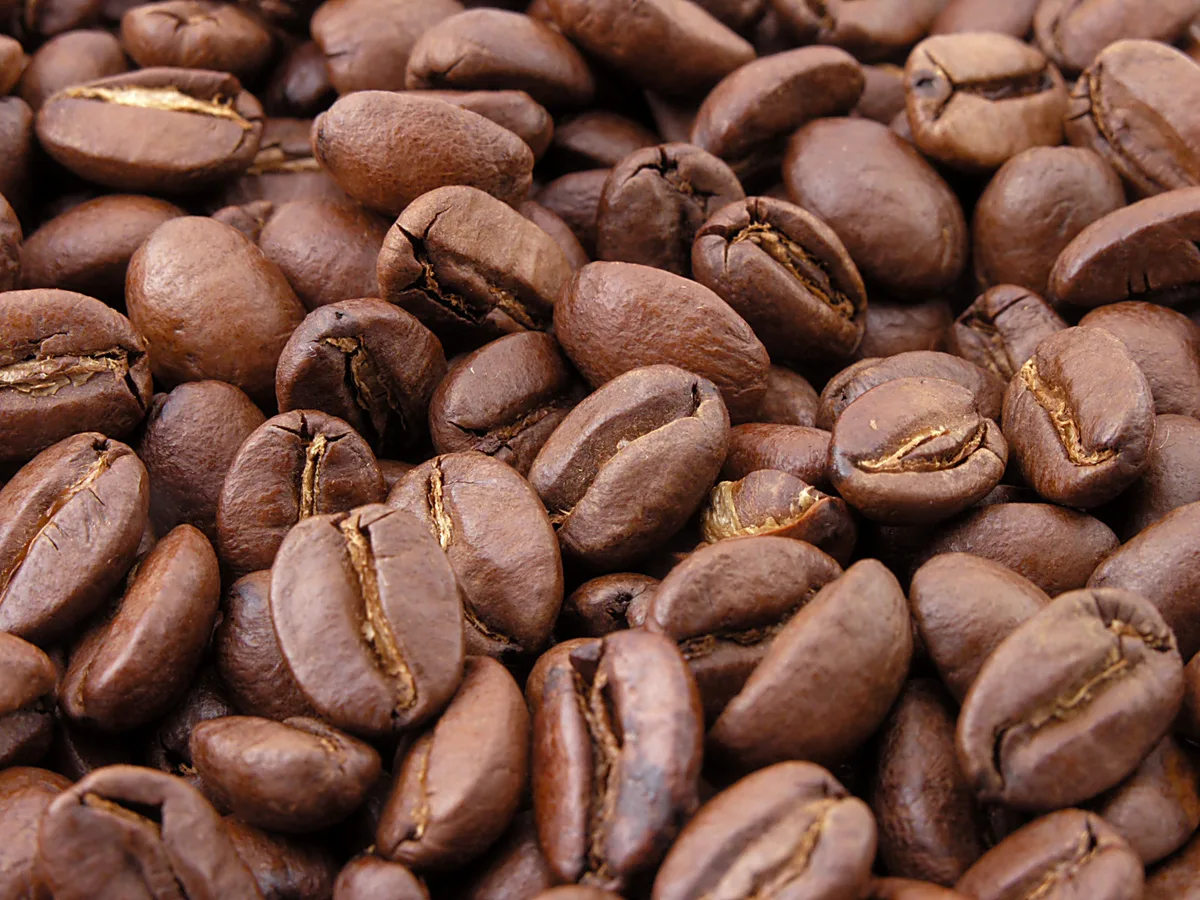
The newer roasteries roast lighter, and many offer the same beans at more than one level so customers can compare. If you are new to this, order the same coffee brewed two ways, or ask for a small tasting of two roasts, and let the difference do the teaching. That is far more useful than any description.
What to Order and How to Taste
Start with what the roastery is proud of. That might be a filter coffee of a single origin, an espresso, or a milk drink built on a specific blend. Ask what they recommend for someone who wants to taste the coffee rather than the sugar, and let them steer you.
When the cup arrives, give it a moment. Smell it before you drink. Take a small sip first and notice whether it tastes fruity, nutty, chocolatey or sharp. Then add anything else you want. Tasting notes are not a test, and nobody is grading you, but paying attention is the whole point of sitting in a roastery rather than a cafe.
If you want the traditional experience as a contrast, order a ca phe sua da as well. Drunk side by side with a modern single origin, it shows how wide Vietnamese coffee actually is. The corner roastery guide covers those smaller neighbourhood shops, which are often the most local version of the same idea.
Brewing at Home or in Your Room
Many people buy beans here and then struggle to brew them well in a hotel room. A few simple points help. If you have no equipment, ask the roastery to grind the beans for the method you will use, and tell them honestly what that is. Ground coffee goes stale faster than whole beans, so buy a small amount if you cannot grind it yourself.
A phin filter is cheap, small and almost impossible to break, which makes it a good travel purchase. An AeroPress or a small pour-over cone is also easy to carry. Whatever you use, keep the coffee out of the heat and away from strong smells, and store it in a sealed bag rather than an open jar.
Water matters more than people expect. If the tap water tastes strongly of chlorine, use bottled water for brewing, and adjust the grind if the cup comes out bitter or weak. Small changes make a large difference, which is part of the pleasure of working this out for yourself.
Buying Beans to Take Home
Check the roast date, not just the expiry date. Coffee is usually at its best from a few days to a few weeks after roasting, and a bag with a recent date is worth more than a fancy label. If the shop cannot tell you when it was roasted, buy less and treat it as a gamble.
Whole beans keep their flavour longer, so buy whole and grind later if you can. A sealed bag travels well and makes a genuinely useful gift. Prices in Hanoi are low by international standards, so a bag of good local coffee costs roughly what a single drink would at home.
How to Tell a Serious Roastery
The signs are consistent. There is freshly roasted coffee for sale with dates on the bags. The staff can name the origin and the process without checking a screen. There is more than one brewing method on offer, and someone behind the bar cares how it is made. The room does not need to be beautiful, since some of the best coffee in Hanoi is served in a narrow space with plastic stools and a view of parked motorbikes.
The opposite is also easy to spot: a long menu of elaborate drinks, no information about the beans, and coffee that tastes the same no matter what you order. None of that is a crime, but it is not what you came for.
Making It Part of a Morning
A roastery visit works best as a slow start. Arrive mid-morning when the first rush has gone, take a seat, order one coffee you have never tried, and ask a question or two. Twenty minutes is enough to learn something, and an hour is enough to change how you think about the coffee you drink at home.
Hanoi rewards that kind of attention. The city is full of coffee, and the roasteries are where the people who take it seriously have gathered. Sit down, taste carefully and take a bag with you. The Old Quarter guide will help you find the streets where these shops cluster, and the specialty cafe guide covers the sit-down side of the scene if you would rather stay for lunch.