
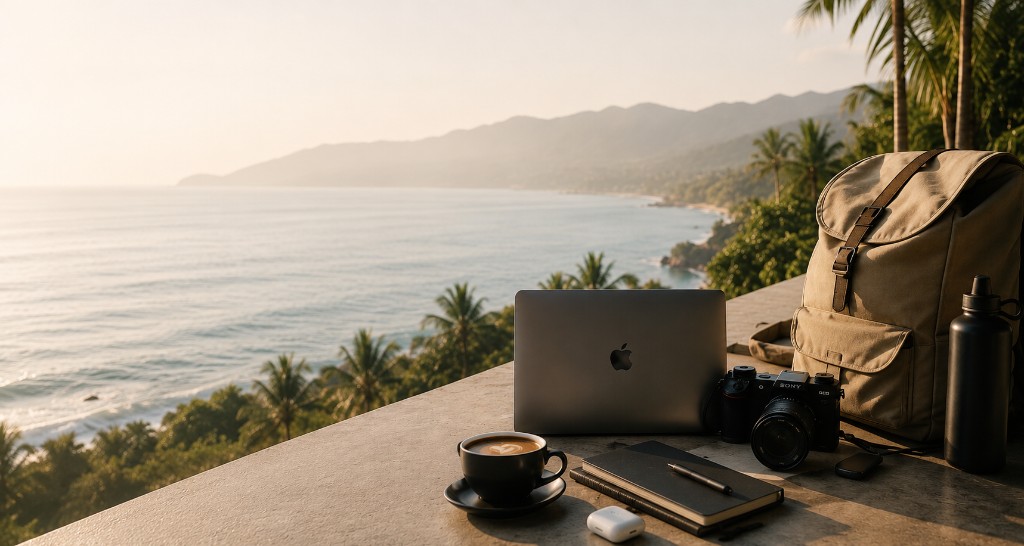
Southeast Asia is hard on electronics. Heat, humidity, dust, unstable power and a moving backpack will break cheaper gear faster than any amount of normal daily use at home. After more than a year of travelling here, the electronics that survived are not the most expensive or the most fashionable. They are the ones designed for exactly these conditions.
This is what actually matters, and what I would buy again.
Heat and Humidity Are the Real Enemies
Heat shortens the life of batteries, and humidity corrodes contacts and grows inside lenses, screens and connectors. In a tropical climate your phone, laptop and camera are working in conditions they were not really designed for.
The practical response is simple. Keep devices out of direct sun, never leave them in a parked vehicle, and avoid charging them in a hot room with no airflow. Give them a chance to dry before you seal them in a case, because trapping moisture is worse than leaving them out in a ventilated room.
Silica gel pouches are cheap, reusable after drying, and genuinely useful if you are moving between humid coasts and air-conditioned interiors. A dry bag for the beach is not optional if you value your phone.
Power: Voltage, Plugs and Surges
Most of the region runs on 220 to 240 volts, which is fine for modern travel electronics with a wide voltage input. Check the label on your charger before you assume it will work, and if it only accepts 110 volts, leave it at home.
Plug shapes vary, so a compact universal adapter is worth carrying. A single adapter plus a multi-port charger is lighter and cleaner than a bag of separate plugs.
Surges matter more than voltage. Storms and old wiring can send spikes through the socket, and a cheap surge protector is much less expensive than a ruined laptop. A travel surge protector with a few outlets also lets you charge several devices from one adapter, which is useful in guesthouses with a single working socket.
USB-C Has Won
The single best decision I made was moving everything I could to USB-C. One standard cable charges the laptop, the phone, the headphones and the power bank, and one good high-wattage charger replaces a bag of bricks.
Look for a charger with enough wattage for your largest device, USB-C Power Delivery on every port, and a folding plug. Choose one that can run cool, because a charger that overheats in a hot room will throttle and charge slowly.
Android and iPhone now share the same cable, which means one spare cable covers both. Carry two good cables rather than five cheap ones, and carry a short one for power banks and anker stations.
Power Banks and Long Journeys
A power bank is essential for long bus rides, overnight trains, camping and days of island travel where there is no outlet. Size is a trade-off: bigger capacity means more weight and, for flights, more rules. Most airlines allow power banks only in carry-on baggage, and many limit the capacity, so check before you fly.
Choose a bank that supports the fast-charge standard your phone uses, and one with at least two ports so you can charge a phone and headphones together. A bank that charges slowly will leave you waiting, which defeats the purpose.
If you are moving often, one medium bank that charges quickly beats a huge one you have to carry all day. The travel power bank guide goes deeper on capacity and airline rules.
Cables, Storage and Repairs
Cables are the part of kit that fails most often, usually at the connector. Buy braided cables from a known brand, keep them coiled rather than tightly bent, and carry a spare. A dead cable in a small town can take days to replace.
A portable SSD is worth carrying if you shoot photos or work with large files, and a spare memory card is a small insurance policy against losing everything. Back up before any long bus ride, since rough roads and heat are a bad combination for a spinning drive and a worse one for a card that has not been copied.
Keep receipts for anything you might need to claim on warranty, and photograph the serial numbers. Cross-border warranty support is uneven, but a receipt and a photo make the process possible.
Protective Gear Worth the Weight
A padded pouch for your laptop and a hard case for small drives are worth the space. A waterproof sleeve for the phone, a small dry bag and a few zip bags cost almost nothing and have saved more than one device from a monsoon downpour.
If you are carrying a camera, a few silica sachets in the bag and a wipe for the lens will fight condensation in the humid mornings. Let the camera adjust to room temperature before you take it out of the bag, or the lens will fog and stay fogged.
Heat, Salt and Beach Days
The beach is where electronics die quietly. Salt air corrodes metal contacts, sand works into ports and buttons, and a phone left on a towel in the sun can overheat and shut down within minutes. The coast is also where you are least likely to find a repair shop within reach.

A few habits make a large difference. Keep devices in a sealed bag on beach days rather than in an open pocket, and never leave anything sitting in direct sunlight, even during a short swim. A dry bag keeps water out on the boat and doubles as a safe place for a phone while you are in the water.
Rinse anything that has been near salt water with a damp cloth and a little fresh water on the outside only, and never charge a device that has just come out of the sea. Let it dry fully first, because moisture plus voltage is what does the real damage.
For island trips, a power bank and a sealed bag do more for your gear than any protective case. Accept that salt and sand will find their way in eventually, and spend your effort keeping water out of the ports and heat off the battery. That is most of the battle, and it costs almost nothing to win it.
What I Would Leave Behind
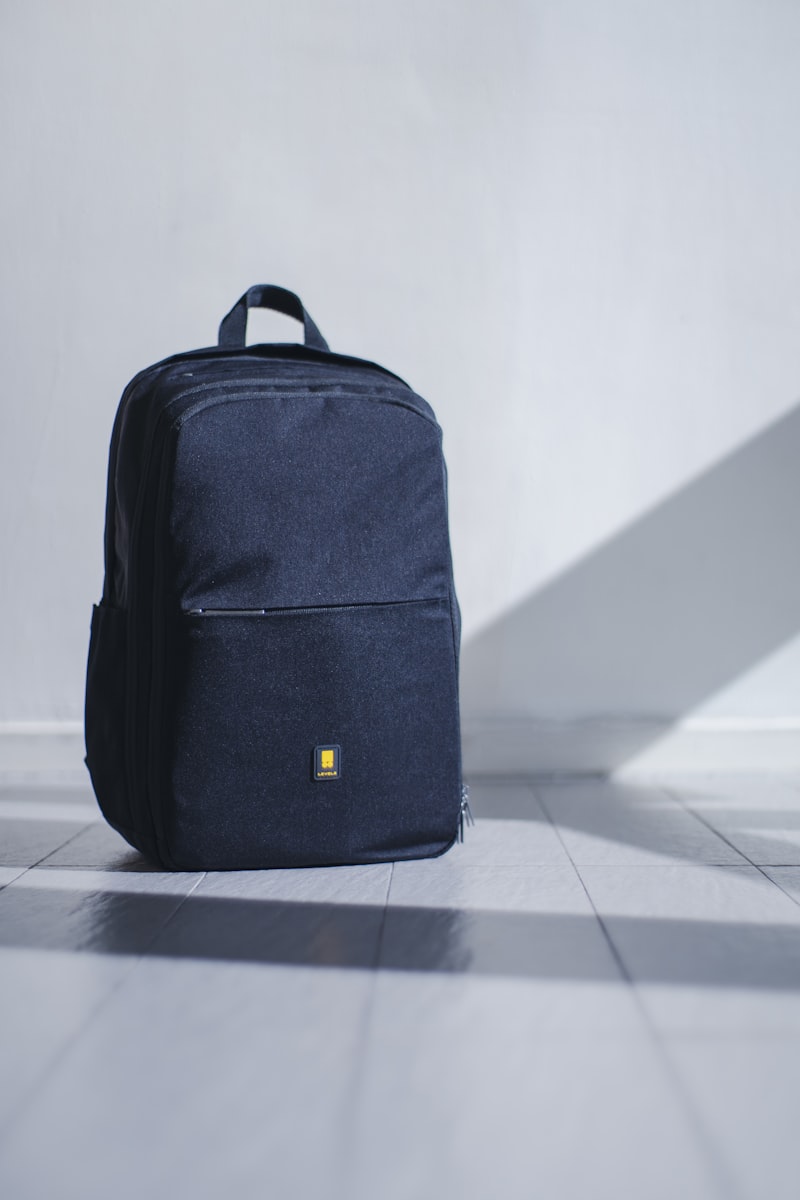
Heavy multi-device chargers, second laptops, and anything that only works on one voltage can stay at home. So can the extra cables you never used last trip. Weight is the real cost of travel gear, and every device you carry needs a charger, a cable and a place to live.
The guide to protecting electronics in tropical weather covers the maintenance side in more detail, and the packing list for Southeast Asia shows how these choices fit into one bag.
The Short Version
Buy for heat, humidity and unstable power rather than for brand. Standardise on USB-C, carry a surge protector and a good power bank, protect everything from water, and keep a spare cable. Do that and your electronics will outlast the trip, which is more than most people can say about the gear they arrived with.