
A harbor cafe in Labuan Bajo is a particular kind of place. It sits somewhere between the water and the tour offices, it serves coffee for people waiting on a boat, and it doubles as a place to open a laptop while the light comes in off the sea. If you are spending a few days in town, one of these cafes will probably become your base between trips.
What follows is a realistic picture of what these cafes are like, so you can choose well and know what to check before you settle in for a long session.
The Setting
Most harbor-side cafes face the water, which means the view is the whole point. Boats come and go, the light changes through the afternoon, and the sunset, when it happens, is as good as anything you will find on the waterfront.
The trade-off is heat. A table in the open air is beautiful and uncomfortable by eleven in the morning. Look for a place with a covered terrace, a fan and decent shade, or accept that you will move indoors once the sun climbs.
Coffee and Food
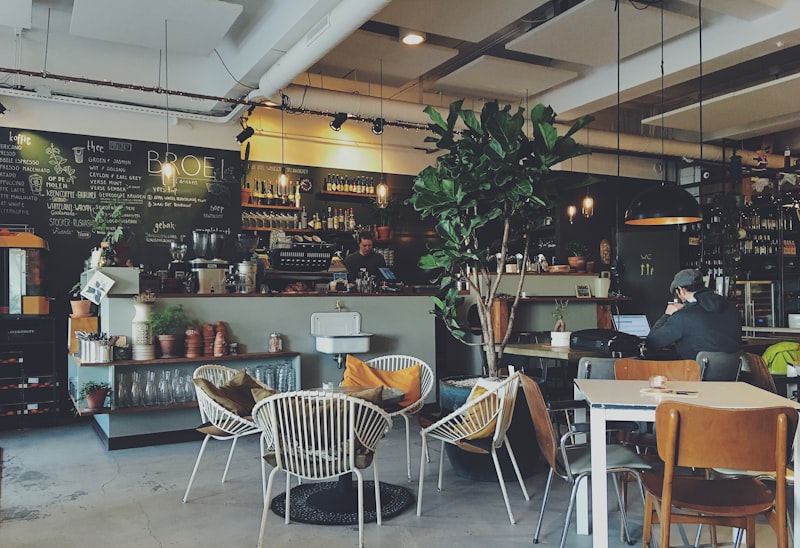
Indonesian coffee culture is strong, and Labuan Bajo has picked up enough of the specialty scene to serve a decent cup. Expect to find local Flores and Bajawa beans alongside the usual espresso drinks and, often, a local twist such as palm sugar or a strong sweet brew.
Food is usually simple and reliable: breakfast plates, rice dishes, sandwiches and the kind of menu that works for a long sit. Portions are not always large, so if you plan to work through lunch, order something substantial rather than a pastry.
Food Worth Ordering for a Long Sit
A harbor cafe will usually feed you for most of the day, but the menu is not designed for grazing. Order a proper breakfast if you arrive early, something with eggs or rice rather than a pastry, because the morning is long and the heat makes you hungrier than you expect. Local dishes are often the best value, and a plate of nasi goreng or a bowl of noodles will keep you going longer than a croissant.
If you are staying through lunch, order it before you get hungry. Kitchens here run on island time, and a busy service can stretch a simple meal past half an hour. A small snack to bridge the gap between breakfast and lunch is a sensible habit, especially when the afternoon heat makes a heavy meal feel like a mistake.
Water matters more than anything else on the menu. Drink more than you think you need, and keep a bottle on the table rather than ordering a new drink every time. Most cafes are happy to sell you a large bottle to take away, which is cheaper than buying small ones all day.
Wifi, Power and Working
This is the part to check before you commit. Indonesian wifi is not always fast, and a harbor cafe can be busier than it looks. Test the connection yourself before you order a second coffee and start a video call.
Look for these things:
- Power outlets near the seats, not just along one wall
- A shaded table with a surface flat enough for a laptop
- A quiet corner away from the door and the kitchen
- Air conditioning, or at least a fan that reaches your seat

What to Bring for a Working Session
A harbor cafe is a pleasant place to work, but it is not an office, and a little preparation makes the difference between a productive morning and a frustrating one. Bring your own charger and cable, because outlets are limited and borrowing one is never guaranteed. A power bank covers the days when the socket you found is already in use.
Headphones matter in a room where the fan, the kitchen and the street all compete. A pair with a microphone lets you take a short call without moving, though for anything longer you should step outside or find a quiet corner. An offline copy of what you are working on is worth the disk space, because island wifi drops without warning.
Finally, carry your laptop in something that keeps out moisture. Salt air and humidity are hard on electronics, and a simple sleeve or dry bag costs little compared with replacing a computer halfway through a trip.
Seating and Peak Times
Harbor cafes fill up around boat departure and return times, when groups arrive together and want food quickly. The calmest windows are mid-morning, after the dive boats have left, and mid-afternoon, before the sunset crowd builds.
Late afternoon is the busiest and most atmospheric time. If you want the view, that is when to come. If you want to work, that is when to leave.
Sitting Through the Heat of the Day
The middle of the day is the hardest time to be anywhere without air conditioning. Between about eleven and three, the shade moves and the tables in the open become uncomfortable, so plan to be inside or under a solid roof. This is when the cafe fills with people escaping the sun, and the pace slows to match.
Use that window for the work that needs less concentration. Answer messages, read, plan the next leg of the trip, or simply sit with a cold drink and wait for the light to change. By four the heat starts to lift, the boats come back, and the waterfront becomes worth walking again.
How to Choose One
Walk the waterfront in the morning and look at a few places before you decide. A cafe that is busy with locals at breakfast is usually serving good food. A cafe with a working outlet at your table and a steady but not crowded room is usually good for work.
Ask whether you can stay for a few hours if you keep ordering, and respect the answer. In a small town, a cafe that welcomes long stays is a relationship worth keeping, and the staff will remember you. For coffee specifically, the specialty cafes in town are a good second option, and the Labuan Bajo guide covers the rest of the practical logistics.
A Realistic Routine
The most pleasant way to use a harbor cafe is in two short visits rather than one long one. Arrive mid-morning, work for two or three hours while the town is calm and the boats are out, then leave before the heat and the lunch rush.
Return in the late afternoon for a drink and the sunset, without a laptop, and treat that as the reward for the morning. Splitting the day this way keeps the cafe enjoyable instead of turning it into an office with a view.
Bring a light jacket if you end up under strong air conditioning, keep your gear away from the edge of the table, and remember that salt air and humidity are not kind to electronics over time. A dry bag or a simple plastic sleeve for your laptop costs little and protects a lot.
What to Expect to Pay
Prices are low by international standards and higher than the local warung down the street. A coffee is inexpensive, a full meal is still modest, and the view is built into the price. Carry small notes, because change can be limited early in the day.
If you are staying for a few days, tipping a little for good service and long stays goes a long way. The staff who let you sit for hours are the reason the place works as a workspace at all.