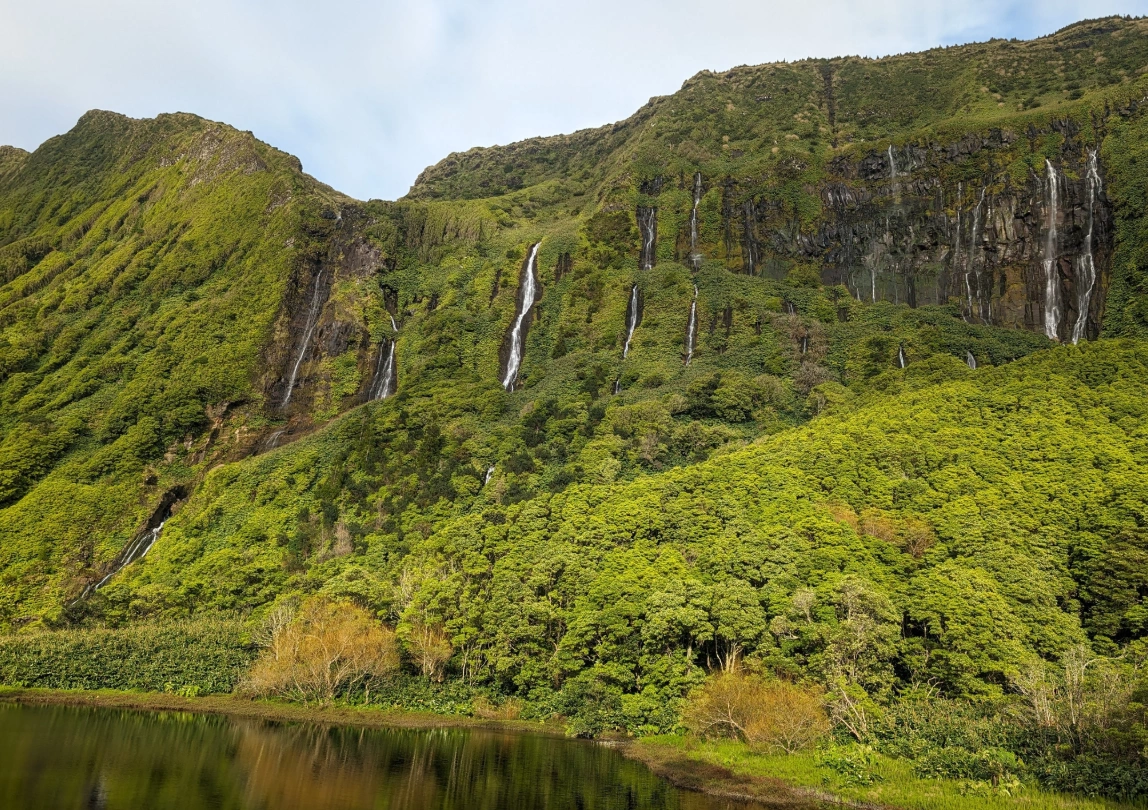

Most visitors reach Komodo National Park by boat from Labuan Bajo, the small port town on the western tip of Flores. The park itself is a scatter of islands, channels and reefs, and the only practical way to see more than one of them is to get on the water. What changes between trips is not the destination but the format: a single long day on a fast boat, or one or more nights on a liveaboard that moves while you sleep.
Understanding that difference before you book is the single most useful thing you can do. It decides how much you pay, how tired you are at the end, how many dive or snorkel sites you reach, and whether you see Komodo dragons at all. A day trip and a two-night liveaboard can visit the same headline islands, but they feel like completely different journeys.
What the Park Actually Contains
Komodo National Park covers three main islands, Komodo, Rinca and Padar, plus dozens of smaller ones and the water between them. The dragons live on Komodo and Rinca, and both have ranger-led walking routes. Padar is known for its viewpoint over a curved bay with three coloured beaches. Around all of it are reefs, channels and small islands where boats stop to snorkel or dive.
The park is also tidal and current-heavy. Water moves fast through the channels between islands, which is exactly why the coral is healthy and why the diving is good. It is also why some sites are only workable at certain times of day, and why a boat that ignores the tide can give you a poor experience in otherwise perfect conditions.
Day Trips from Labuan Bajo
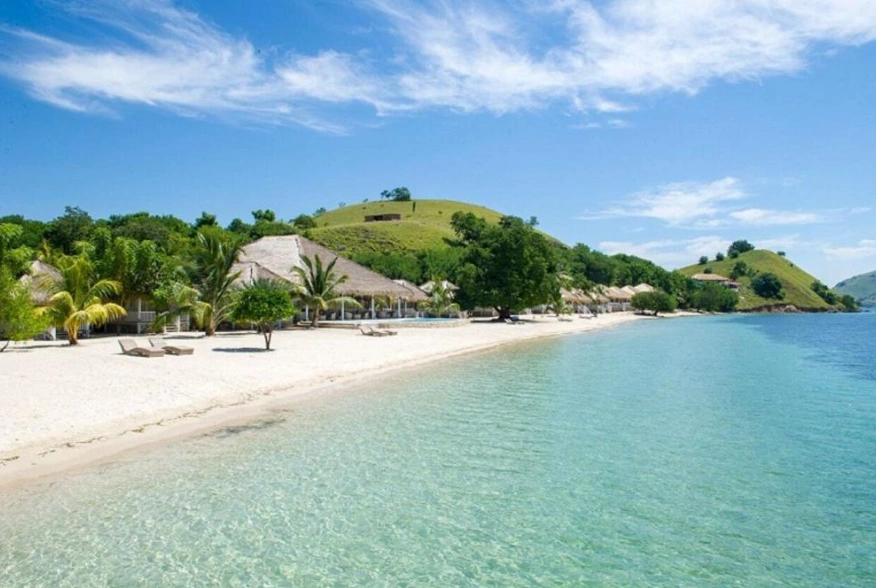
A day trip leaves early, often before sunrise, and returns in the late afternoon or evening. Fast boats cover a lot of ground in a short time, usually including Padar, one dragon island, one or two snorkel stops and a beach such as the pink beach on Komodo.
The pace is brisk. You will spend more time moving than sitting still, and the schedule leaves little room for an unplanned hour. For travellers with only two or three days in Flores, this is often the only realistic option, and a well-run day trip can still be memorable.
The trade-off is the crowds. Because day boats follow similar routes, the popular sites tend to be busy in the middle of the day. Padar's viewpoint, in particular, can feel like a queue on a busy morning. Boats that start earliest usually give you the best chance of seeing it with fewer people.
Liveaboards and Overnight Trips
A liveaboard spreads the same itinerary over two or three nights. You sleep on the boat, wake up already near the first site, and reach places that day boats cannot fit in. This is the format that suits divers, but it also suits anyone who would rather not spend six hours in transit in a single day.
Overnight trips range from simple wooden boats with shared bathrooms to comfortable vessels with private cabins and air conditioning. Prices span a wide range for that reason, and so does the experience. Read reviews carefully, ask what is included, and check whether diving, equipment, park fees and meals are in the price or added later.
The schedule is also less predictable, which is a feature rather than a fault. If the water is good at a site, the captain can stay longer. If a current is running too hard, the boat can move somewhere calmer. That flexibility is worth more than any fixed list of stops.
What a Full Day on the Water Looks Like
A day trip starts in the dark. You are picked up from your guesthouse around five or six, handed a life jacket at the harbor, and on the water before the sun clears the hills. The first two hours are usually the longest leg, which is why operators push you to leave early: the sea is calmer, and you reach the far sites before the rest of the fleet.
The morning is the busiest part of the day. Most itineraries pack the headline stops, a viewpoint hike and a dragon walk, into the hours before lunch, and each stop runs to a schedule. You walk up, take your photos, come back down, and the boat moves on.
Lunch is served on board or on a beach, and it is usually the first time the day slows down. After that comes the water: a snorkel stop or two, sometimes a dive, and a drift along a reef where the current does the work for you. This is the part people remember, and it is the part most worth protecting by choosing a boat that does not rush it.
The return leg is the roughest and the least interesting. Bring a layer for the wind, keep a dry bag handy, and expect to reach Labuan Bajo in the late afternoon, tired and sunburnt and glad you did it.
Seasickness, Currents and Conditions
The crossing between islands can be choppy, especially in the afternoon when the wind picks up. If you are prone to seasickness, take medication before you board rather than after you start feeling unwell, and choose a larger boat on a calmer morning departure. Sitting in the middle of the boat, low down, helps more than sitting at the front for the view.
Snorkelling and diving here are not always beginner-friendly. Currents at some sites are strong, and visibility varies with the tide and the season. Tell the crew your experience level honestly. A good operator will match you to a suitable site rather than to the most famous one.
The dry season, roughly April to December, generally brings calmer seas and clearer water. The wet season can still be good, especially for diving, but crossings are rougher and some trips are cancelled. Check the forecast rather than a fixed calendar, because conditions change week to week.
How to Choose an Operator
Booking through your guesthouse is convenient but not always the best value, and it is not always the safest. Look for a boat that carries life jackets, a radio and enough crew, and ask directly about safety equipment. Group size matters too: a boat carrying twenty snorkellers at one reef is a different experience from one carrying eight.
Ask what the park fees cover and whether they are included. Ask how many sites you visit in a day and how long you actually spend in the water. Ask whether lunch is cooked on board or handed out in a box. These questions separate a good trip from a crowded one.
If you are combining the park with the rest of Flores, the Komodo National Park guide explains the dragon walks in more detail, and the Labuan Bajo guide covers where to stay and how to spend the days before and after your trip.
What to Bring
Reef-safe sunscreen, a hat, sunglasses and a light long-sleeved shirt will do more for your day than any gadget. Bring more water than you think you need, and a dry bag for your phone and camera. If you are snorkelling, a mask that fits your face is worth bringing from home, because rental masks rarely seal well.
Take cash for park fees and tips, since card payment is not reliable on the water. Pack light, because space on a small boat is limited, and wear shoes that can get wet for beach landings. A light rain jacket is useful even in the dry season.
The single most common mistake is treating a Komodo trip as a photo stop rather than a full day on the water. Choose the format that matches your time and your tolerance for motion, prepare for sun and spray, and the islands will reward you with far more than the pictures suggest.