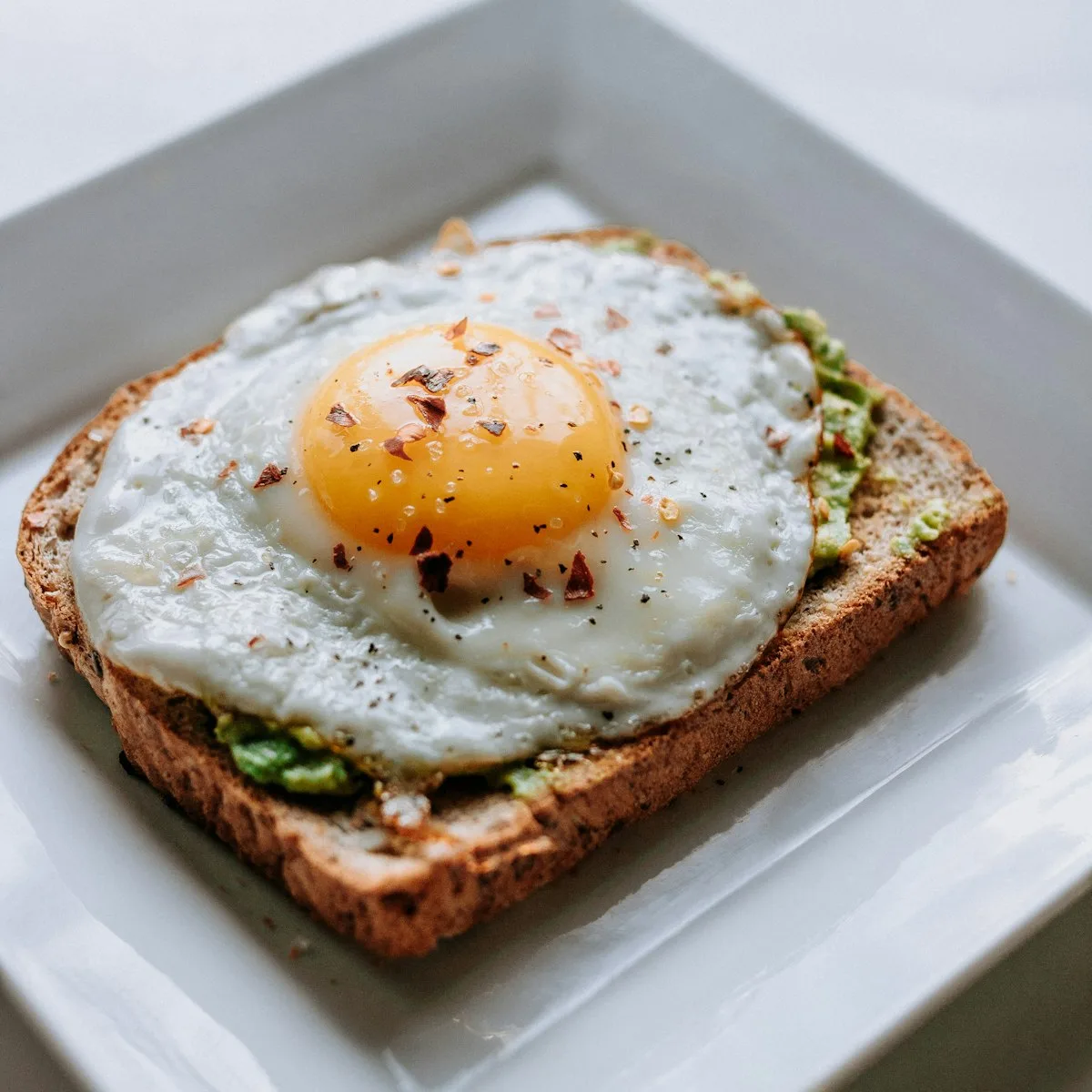
- Best for: a fresh reset meal between richer Chiang Mai food days
- Order style: build one complete salad or bowl before adding drinks
- Do not expect: a traditional northern Thai food lesson
- Best timing: lunch or late brunch when heat makes heavy food less appealing
- First-time note: use it after your first local-food day, not before it
Why This Fresh Stop Works
The Salad Concept is known among visitors as a lighter, fresher brunch option rather than a place for traditional northern Thai cooking. Its usefulness is practical: travelers sometimes need vegetables, protein, air-conditioning, and a meal that does not make the next part of the day feel heavy.
That job matters in Chiang Mai because many visitors build days around walking, heat, coffee, and late meals. A reset lunch can protect the rest of the itinerary instead of competing with it, especially if the evening plan is Sunday Walking Street or a heavier gate-side dinner.
What to Build First
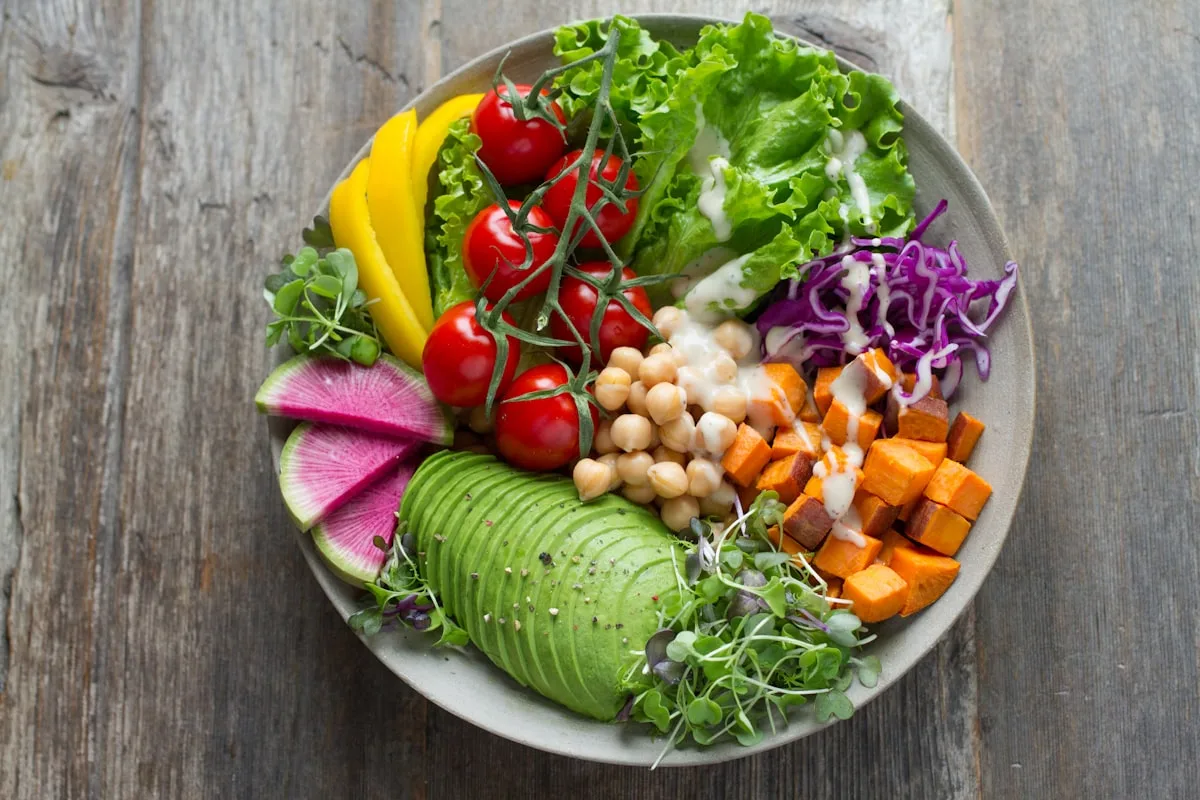
Think in building blocks, not in a long must-order list. Start with freshness, add something filling, and choose dressing carefully so the bowl tastes intentional rather than random.
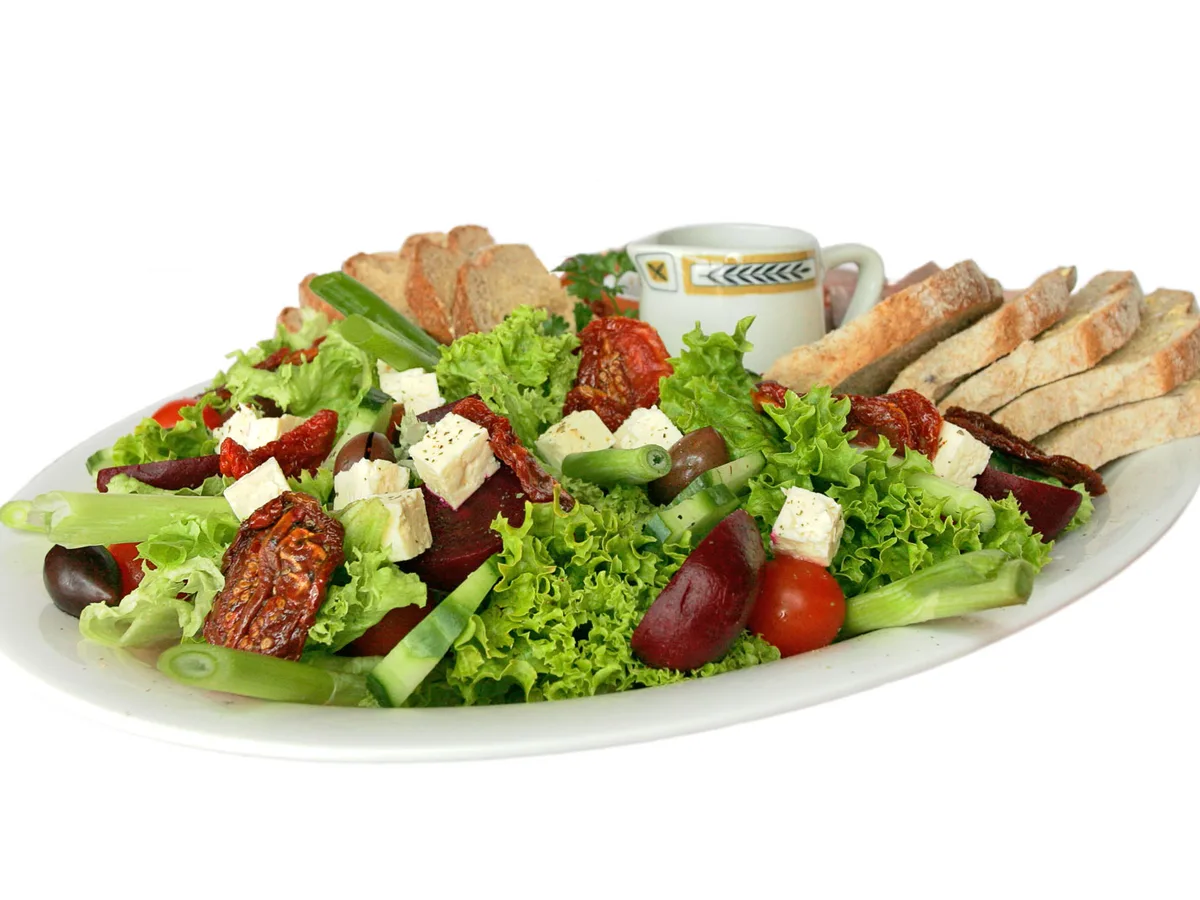
Build-your-own salad: Choose greens, vegetables, protein, and dressing so the meal fits your appetite instead of forcing a heavy brunch plate.
This is not a checklist meal. A complete salad or bowl is usually enough, with a smoothie only if the heat calls for it. The point is to leave feeling clearer, not to recreate a hotel buffet at a cafe table.
How It Balances Street Food
This is not a street-food stop, and that is fine. Its role is to give you a lighter middle meal so later food decisions still feel enjoyable.
Do not force the article into a market-food frame. The smarter comparison is with another heavy brunch: choose the salad if you want control over vegetables, protein, dressing, and portion size.
What to Eat Elsewhere
The traditional-food question is simple: this is not where you come for heritage cooking. It is where you come when your body wants structure before the next local meal.
That does not make the stop less useful. Good food itineraries need contrast. A fresh bowl at lunch can make a strong dinner taste better because you arrive hungry instead of overloaded.
Desserts and Drinks
If you want something sweet, keep it small and current-menu driven. A smoothie or light drink makes more sense here than turning a reset meal into dessert brunch.
The best move is restraint. Leave the table comfortable, then let the day decide whether you want a sweet drink, fruit, or a proper dessert somewhere else.
Vegetarian Options
This is one of the easier styles of stop for vegetarians because salads and bowls can be customized. Still ask about fish sauce or animal-based dressings.
Vegetarian travelers should ask carefully because fish sauce, shrimp paste, pork broth, and chicken stock can hide in dishes that look vegetable-based. Useful phrases and translation cards help. Buddhist vegetarian restaurants and health-focused cafes are easier, but markets may still require careful questions.
Food Prices
Expect cafe-style pricing rather than local-stall pricing. Order one complete bowl first; add drinks only if you are staying.
Value here is not measured only by portion size. You are paying for customization, a calmer room, and an easy way to eat vegetables while traveling.
Food Safety Tips
Because raw vegetables are part of the appeal, choose the branch and timing with common sense. If you are sensitive, cooked components may feel safer.
If your stomach is adjusting to travel, avoid stacking too many raw components, creamy dressings, and cold drinks in one meal. A balanced bowl can still be gentle.
Where It Fits Your Route
Use it around Nimman or central Chiang Mai when your food day needs balance. Pair it with Ristr8to Lab or another short coffee stop nearby rather than another heavy meal immediately after.
It works best as a pause between errands, coworking, or cafe hopping. Do not cross town only for a salad unless it already fits the route.
The Long-Stay Food Rhythm
Chiang Mai food culture is not only heritage dishes. The city also serves long-stay travelers who need routine, vegetables, and workday meals.
That long-stay layer is part of modern Chiang Mai. Some meals are about discovery; others are about keeping enough energy to keep discovering.
How to Order Simply
Do not make this your first taste of Chiang Mai. Eat local dishes first, then use a fresh brunch stop when your body asks for a reset.
Order one bowl you can finish, not three sides you will abandon. If the dressing is rich, ask for it separately when possible.
Summary
The Salad Concept works best as a balancing stop. Use it when your Chiang Mai food trip needs vegetables, structure, and a meal that gives energy back instead of taking it. If you want a slower plant-forward brunch instead, compare the mood with Free Bird Cafe.