- Country: Thailand
- Region: Northern Thailand, often associated with highland communities around Chiang Rai and Chiang Mai supply chains
- Altitude: varies by farm and lot; ask the roaster for the current bag details instead of assuming one fixed number
- Varieties: Thai arabica may include Catimor, Typica, Caturra, or other cultivars depending on producer
- Coffee type: Thai arabica from mountain-growing areas
- Processing: washed, honey, and natural lots may all appear depending on producer and roaster
- Flavor direction: approachable sweetness, medium body, gentle acidity, and chocolate, nut, fruit, or floral notes depending on roast
- Best for: travelers who want to understand Thai coffee beyond cafe latte art
What Pangkhon Coffee Is
Pangkhon is associated with northern Thai coffee-growing communities in the mountains. Coffee from this part of Thailand often enters Chiang Mai through specialty cafes, roasters, and small producer networks. It can be a good introduction for travelers who have only tasted imported beans in Thailand and want to understand why local coffee now appears on serious menus.
Do not treat every bag labeled Pangkhon as identical. Coffee is agricultural. Altitude, variety, harvest timing, processing, roast level, storage, and brewing all change the cup.
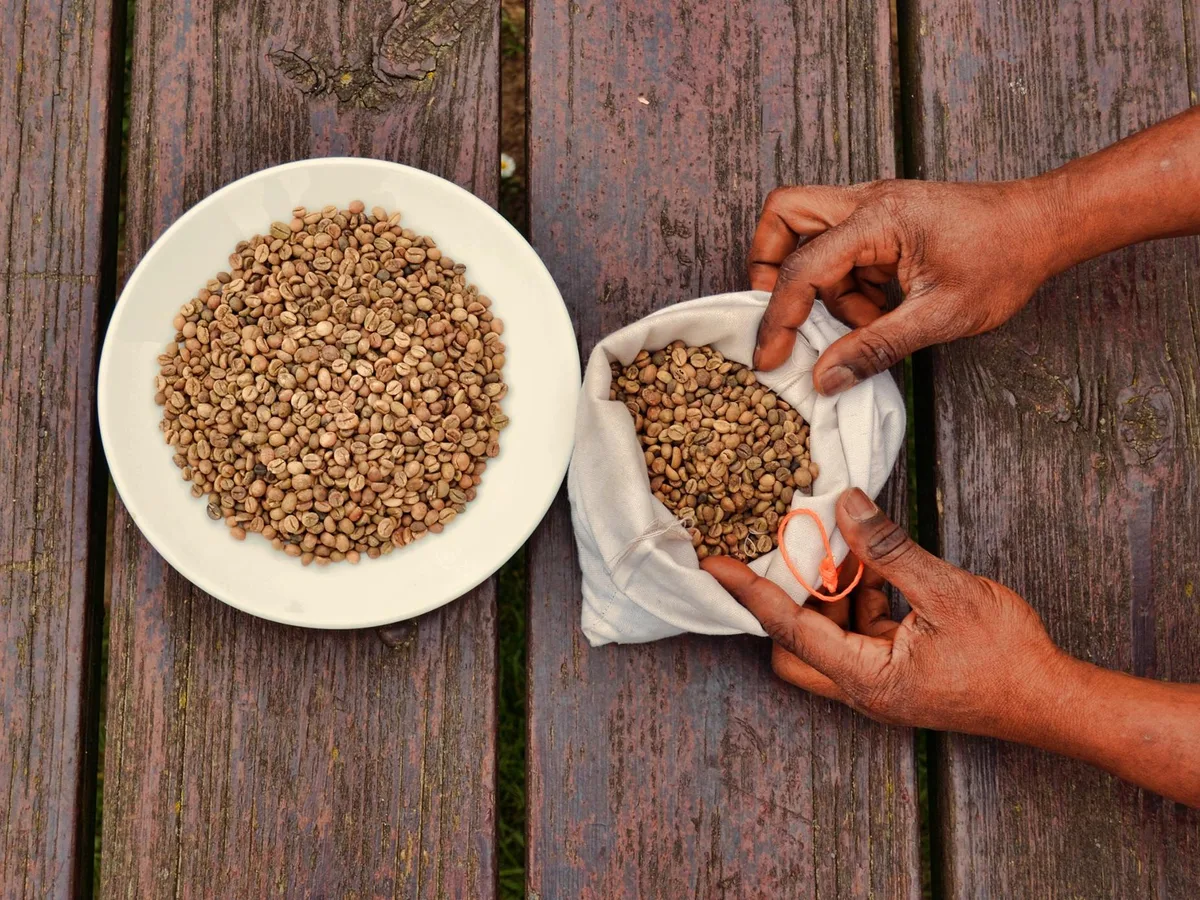
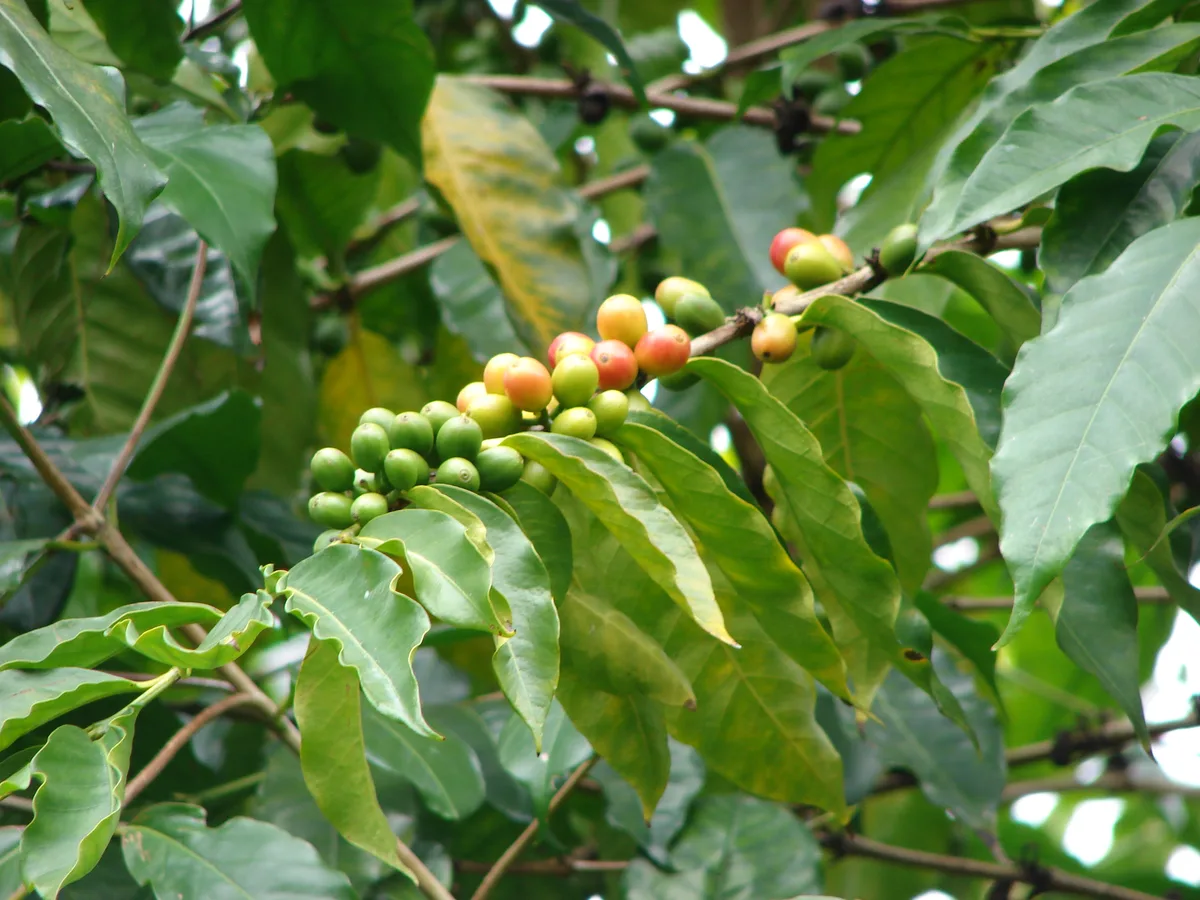
Green coffee beans: Use this as a processing reference, not as a claim about one exact Pangkhon farm. The seed changes dramatically after drying, storage, and roasting, which is why the same origin can taste different from one cafe to another.
That is why a good Pangkhon explanation should stay specific without pretending to know details that may change from bag to bag. If the cafe cannot tell you altitude, variety, or producer, that does not automatically make the coffee bad. It simply means you should judge it by the cup and ask a more basic question: is this coffee clean, sweet, and roasted in a way that suits the brew method?
Growing Region
Northern Thai coffee grows in cooler highland conditions than the hot lowlands most visitors imagine when they think of Thailand. These mountain areas can offer shade, cooler nights, and slower cherry development, which helps arabica develop sweetness and acidity. Exact altitude and farm conditions vary by producer, so a responsible cafe or roaster should provide lot-level information when available.
If a menu does not list altitude, variety, or processing, ask simply. A good shop may not know every detail, but it should be able to tell you whether the coffee is washed, natural, honey processed, or roasted for espresso.
The landscape matters because highland arabica develops differently from coffee grown in hotter, lower areas. Cooler nights can slow ripening, which may help sweetness and acidity. Shade trees and mixed agriculture can also affect farm ecology, but travelers should avoid turning every coffee stop into a farm audit. The practical takeaway is easier: Pangkhon coffee is worth asking about because it gives you a local reference point for northern Thai beans.
Thai Coffee Background
Thailand's specialty coffee scene grew partly from northern highland agriculture and efforts to create more sustainable crops for mountain communities. Today, Chiang Mai is one of the easiest cities in Thailand to taste that progress because cafes and roasters are close to producing regions. This proximity does not automatically make every cup excellent, but it does make local coffee easier to explore.
For travelers, the appeal is practical: you can taste Thai beans in the city, then see how different cafes roast and brew them. A Nimman cafe crawl can turn that comparison into an easy half-day rather than a technical project.
Harvest and Processing
Harvest timing depends on the farm and season. Coffee cherries are generally picked when ripe, then processed to remove fruit and dry the seed. Washed processing tends to create cleaner cups with clearer acidity. Natural processing dries coffee with more fruit contact, often giving heavier sweetness or fruit notes. Honey processing leaves some mucilage on the seed and can sit between those two styles.
If you are new to processing terms, taste side by side rather than memorizing definitions. The cup teaches faster than vocabulary.
Some roasters may occasionally experiment with anaerobic or other controlled-fermentation methods, but do not assume every Pangkhon coffee uses those techniques. These processes can create vivid fruit, winey, or candy-like aromas when handled well, and confusing flavors when handled poorly. For a first cup, washed or honey processed coffee is usually easier to understand because the structure is clearer.
Varieties and Cup Style
Thai arabica may include varieties such as Typica, Caturra, Catimor, or other locally planted cultivars depending on farm and project. Variety names matter, but roast and processing often matter more to casual drinkers. A light roast may highlight fruit or floral notes. A medium roast may bring chocolate, nuts, and caramel. Darker roasting can reduce origin character and increase bitterness.
For a first Pangkhon cup, ask for the brew method the barista thinks best represents the bean.
Flavor Notes
Pangkhon coffee can show gentle citrus, stone fruit, cocoa, brown sugar, nuts, or floral hints, but avoid treating tasting notes as guarantees. Notes are guides, not ingredients. If a bag says peach or jasmine, it means the aroma or acidity may remind someone of those things. It does not mean flavoring was added.
Beginners should focus on five simple questions: is it sweet, sour, bitter, heavy, or clean? That is enough to start.
Brewing Suggestions
For filter coffee, start around a medium-fine grind, clean water, and a moderate ratio such as 1:15 or 1:16. If the cup tastes sour and thin, grind finer or brew a little longer. If it tastes harsh and drying, grind coarser or shorten extraction. For espresso, Pangkhon can work well when roasted for that purpose, but filter roasts may taste sharp if forced into espresso.
Do not overcomplicate travel brewing. Good water and fresh beans matter more than gear theatrics.
Buying Beans in Chiang Mai
If you buy Pangkhon beans in Chiang Mai, check roast date, processing, roast level, and whether the bag is intended for filter or espresso. Buy smaller bags if you are traveling. Heat, humidity, and time inside a backpack can flatten coffee quickly.
Ask the cafe to grind only if you cannot grind yourself. Whole beans stay fresher.
Local Coffee Culture
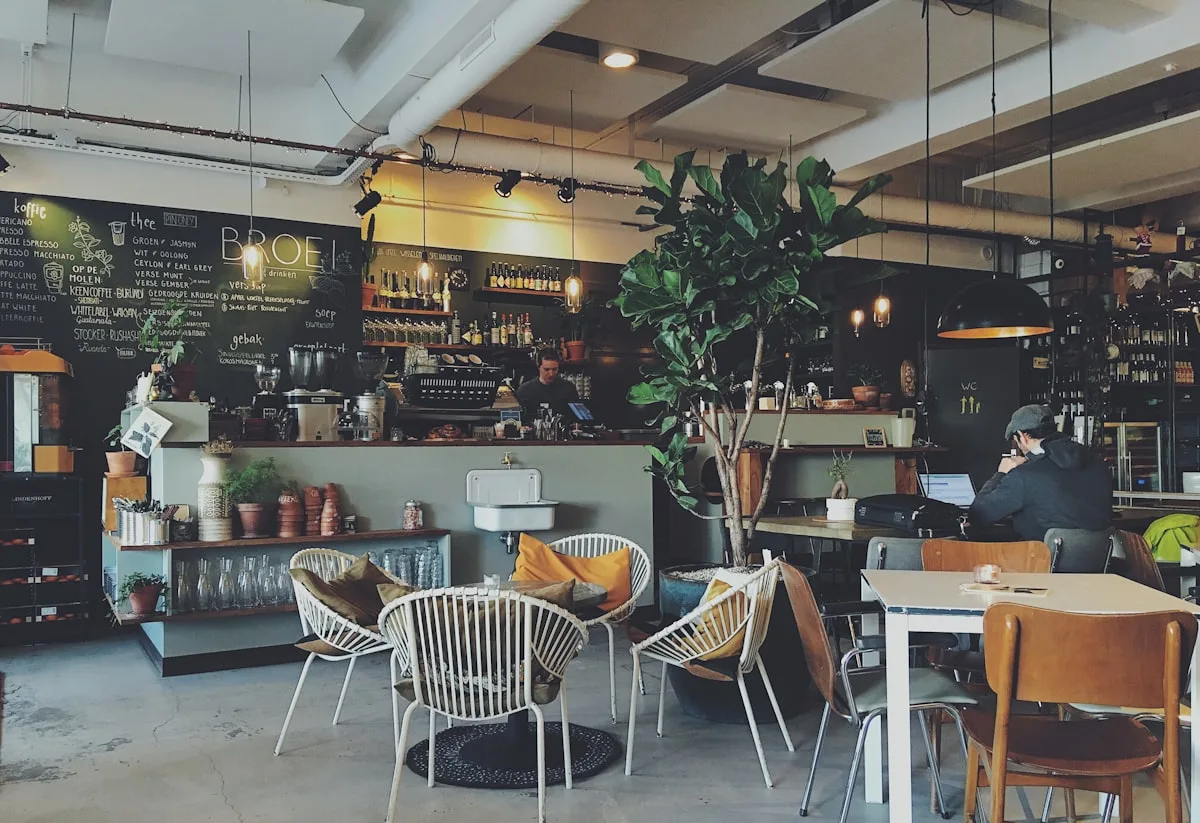
Chiang Mai is a useful city for tasting Thai coffee because serious cafes, casual stalls, and roasters sit close together. One morning might include a local-bean pour-over; the next day might be a sweet iced coffee from a street cart. Both are part of the city. Pangkhon coffee fits the more specialty-focused side of that culture, while the best Chiang Mai work cafes guide is better for laptop-friendly repeat visits.
Keep the tourism part small and relevant. You do not need to visit a farm to appreciate the coffee, and many travelers will understand more by tasting two Chiang Mai cafes side by side than by rushing into a mountain tour. If a cafe offers Pangkhon as espresso and another offers it as filter, compare sweetness, body, and acidity. That kind of simple tasting teaches the local coffee story without turning the trip into homework.
Summary
Pangkhon coffee is worth trying if you want Thai coffee with more context than a generic latte. Ask about processing, roast, and brew method, then taste with an open mind. The best cup is not the one with the longest tasting-note list. It is the one that helps you understand northern Thailand's coffee scene a little better.