The first time I visited Chiang Mai was in 2019. I arrived with a backpack, a laptop, and the vague notion that maybe I could work from anywhere. Five years later, after exploring dozens of cities across Asia, I came back to see what had changed.
Why I Chose Chiang Mai
I chose to return to Chiang Mai because after all my travels, it kept calling me back. There's something about the way the city slows you down. The mornings are cool, the coffee is cheap, and the pace of life feels human. After months in faster-paced cities like Bangkok and Ho Chi Minh, Chiang Mai felt like exhaling.
My original plan was to stay for one month. That turned into three.
Monthly Cost of Living
Living in Chiang Mai is still remarkably affordable. Here's what my typical month looked like:
- Apartment: $300-500 for a comfortable one-bedroom in Nimman or Santitham
- Food: $200-300 if you eat local most of the time, more if you prefer Western food
- Coworking: $100-150 for a monthly pass (or free if you stick to cafes)
- Transportation: $30-50 for songthaew rides and occasional scooter rental
- Entertainment: $100-200 for massage, cinema, and occasional travel
Best Cafes for Remote Work
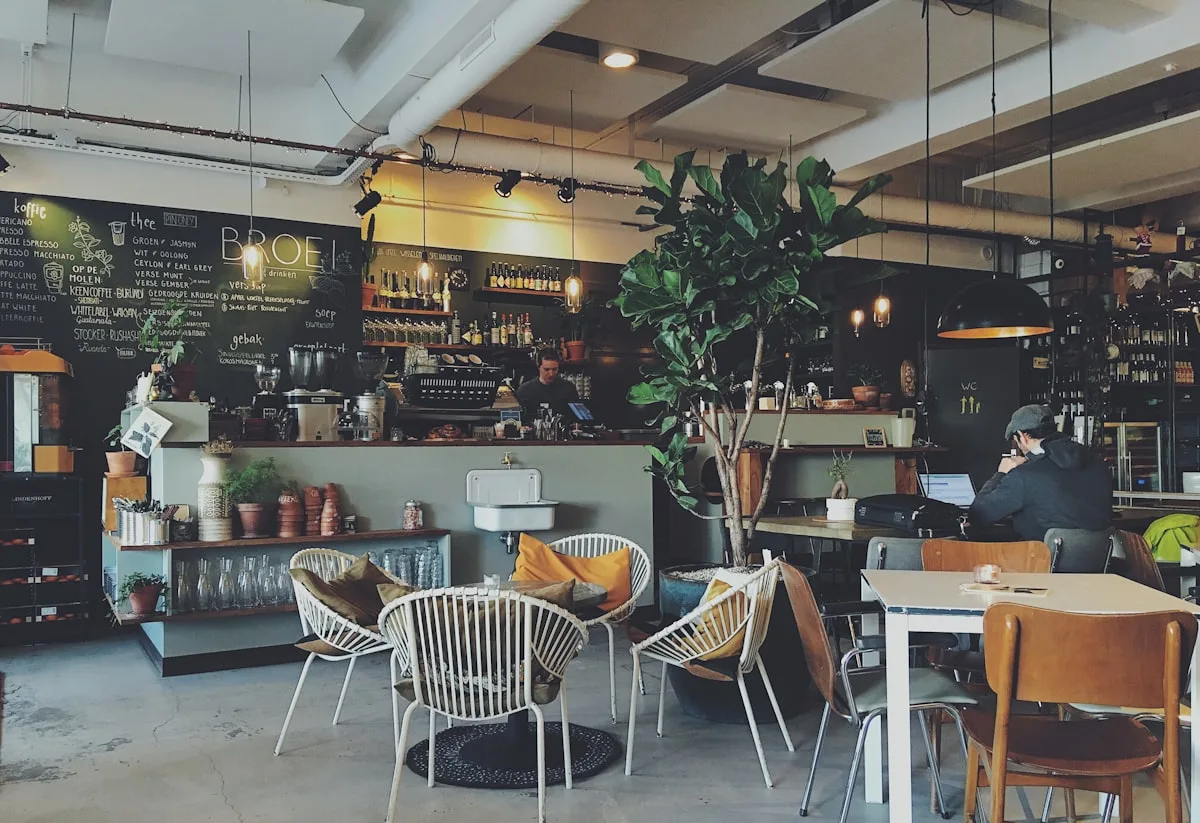
Chiang Mai's cafe culture has evolved significantly. The city now has an impressive range of work-friendly spaces. My favorites were scattered across different neighborhoods:
Camp at Maya became my regular spot. The vibe is always good, the coffee is decent, and I could easily spend 4-5 hours there without feeling pressured to leave. The air conditioning was strong enough to counteract the Thai heat.
For deeper focus work, I found myself heading to The Hive in Nimman. It's pricier than average cafes but the environment is genuinely designed for productivity. Good wifi, comfortable chairs, and a quiet atmosphere that actually helps you think.
The best discovery was a tiny place called The Cargo near the Old City. No wifi password on the wall, but the staff didn't mind me staying for hours. Sometimes the best spots are the ones that don't market themselves as coworking spaces.
The Slow Pace of Daily Life
What strikes you about Chiang Mai is how easy it is to slow down. There are no pressures to see everything. The tourist attractions exist, but you can ignore them without feeling like you're missing out.
I fell into a rhythm: wake up at 7, walk to a nearby market for breakfast, find a cafe by 9, work until 1, take a lunch break, maybe work again or explore the city, evening massage, dinner at a local restaurant. Repeat.
Weekends were for getting out of the city. Doi Suthep, the Mae Sa waterfalls, a cooking class, or just wandering the Old City walls. Having these options nearby without the stress of crowded tourist sites made all the difference.
Downsides Nobody Talks About
Let me be honest about the things that frustrated me:
The air quality during burn season (roughly February to April) can be genuinely bad. There were days when going outside felt unpleasant, and working near open windows was out of the question. If you have respiratory issues, this is something to plan for.
The nomad community, while large, can feel insular. It's easy to spend weeks only talking to other foreigners. Learning some Thai helps break this bubble, and honestly, the local people are part of what makes Chiang Mai special.
The city has gotten more expensive. Not dramatically, but the era of $200 monthly apartments is largely over. Budget travelers might need to adjust expectations.
Would I Still Recommend It? Absolutely. Chiang Mai remains one of the best destinations for digital nomads, especially those new to the lifestyle. The infrastructure is solid, the cost of living is reasonable, and there's enough happening to keep you engaged for months.
The key is to approach it with the right mindset. This isn't a place to rush through. It's a place to settle into, to learn the neighborhood, to become a regular at your favorite cafe. The people who complain about Chiang Mai are usually the ones who tried to treat it like a checkpoint instead of a home.
I'm already planning my next visit.