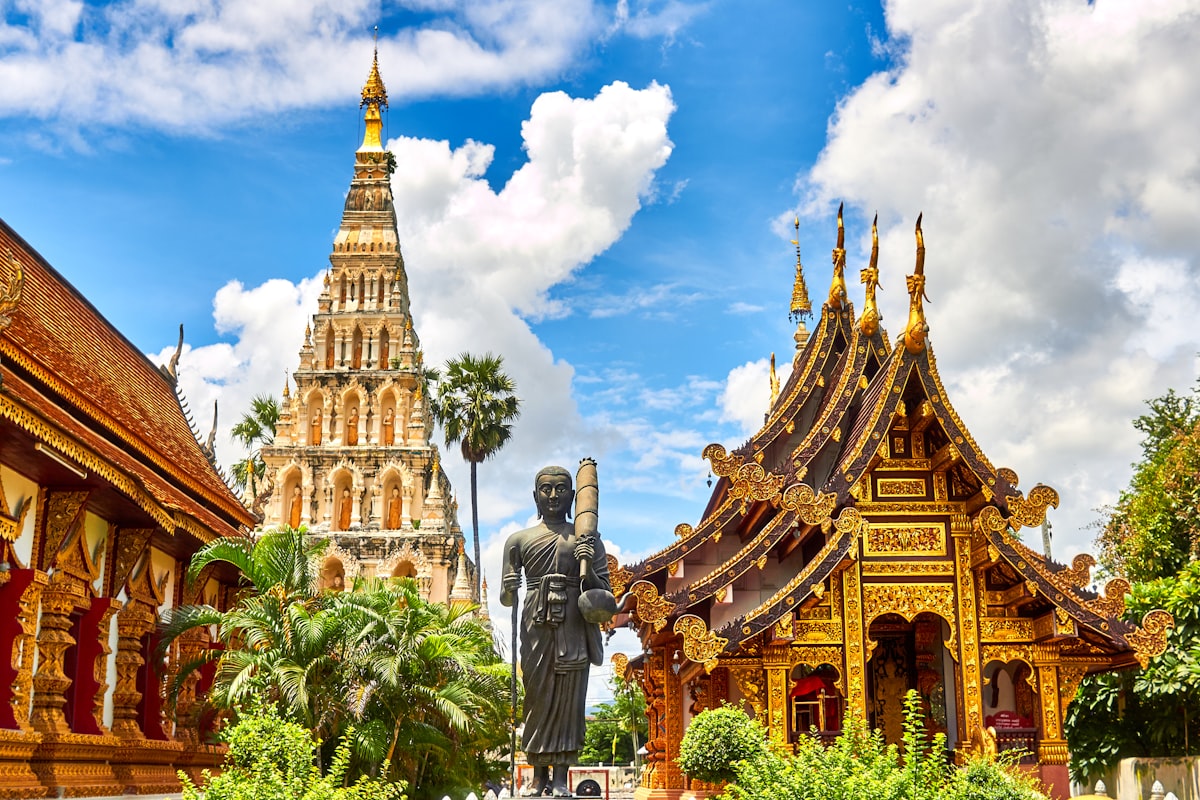
Chiang Mai stopped feeling overwhelming when I stopped trying to "see everything" and started organizing days by temperature instead of attractions. The city rewards structure more than spontaneity during hot months — not rigid itineraries, but day-part rhythm: move early, hide smart at noon, re-enter after sunset. It sounds simple, but it changes your relationship with temples, markets, and your own energy. I still love Chiang Mai on messy days, but the version I recommend to friends is built around blocks, not checkpoints. One strong morning, one protected midday, one gentle evening. That is how I live here for weeks without burning out.
Daily Life Overview
Think of Chiang Mai as three cities in one day: outdoor (morning), indoor (midday), social (evening). Run all three at full volume and you leave saying the north is "too slow" or "too boring" — when really you were just too hot and too scheduled. Slow living here is logistics dressed as lifestyle, especially if you're working remotely and need your best hours for focus, not sunstroke.
The city is flatter and smaller-feeling than Bangkok, which tempts people into over-walking. Resist. Chiang Mai's pace is psychologically slow; your legs don't get the memo at 1 PM in April.
Morning Routine (Best Energy Window)
Use mornings for temple visits, moat walks, market breakfasts, and northbound day trips (Doi Suthep, Bua Tong) before heat and tour buses peak. If you only do one "hard thing" per day, do it before 10 AM.
Good morning anchors:
- Old City moat segment with khao soi stop
- One major wat, not three
- Mountain temple day on its own morning — not stacked with moat marathon
For remote workers, morning is also your errand window — market runs, post office, scooter fuel — before laptop lock-in.
Midday Reset Strategy
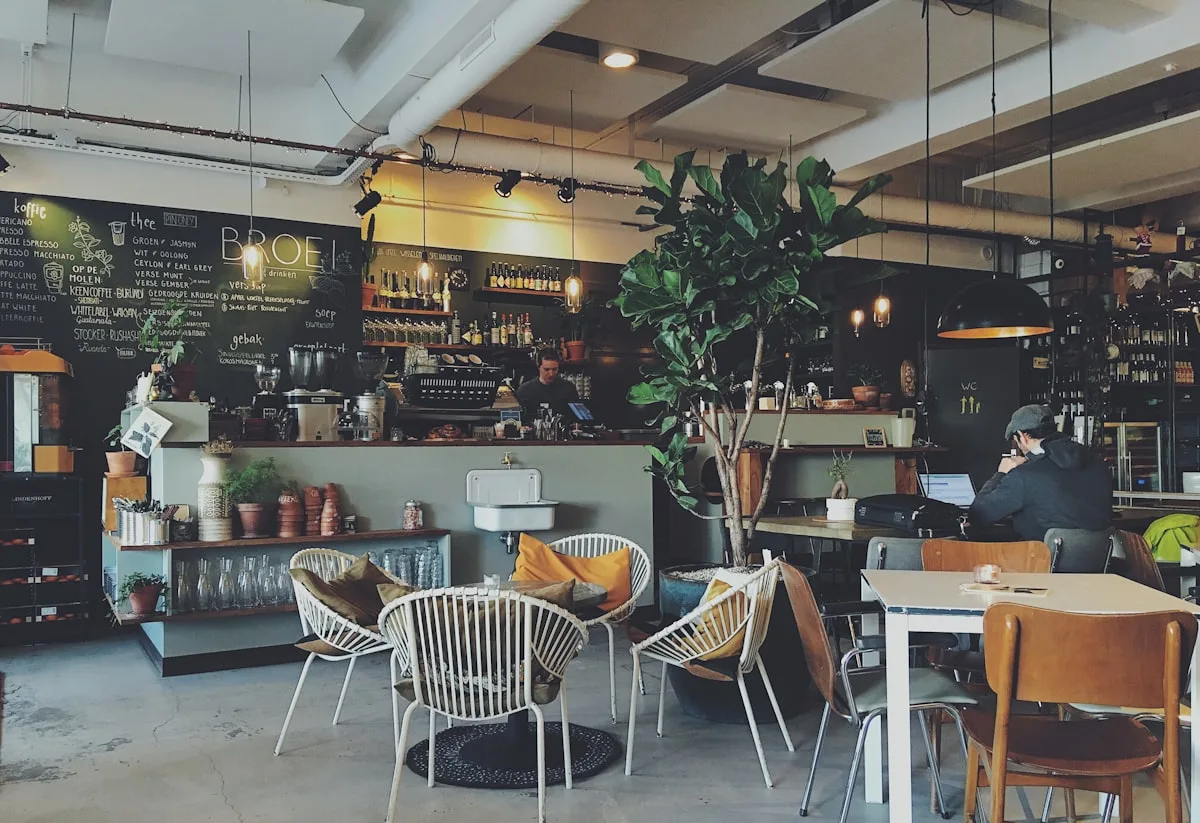
Late morning to mid-afternoon: indoor plans only — cafes with AC, massage, museum if available, deliberate work sprints. This is when Chiang Mai feels hostile to outdoor ambition. Air-conditioning is a travel tool, not weakness.
My midday reset menu rotates:
- 90-minute massage (fixes temple-walk back)
- Long lunch with one dish and iced water
- Cafe work block with second drink ordered politely
- Hotel nap without guilt
Hydration on schedule, not heroics. Electrolytes on walk-heavy days. Small towel in bag — sounds touristy until moat stone in March.
Late Afternoon Re-entry
As temperature drops, shift back to mobility: neighborhood browsing, second cafe if caffeine discipline allows, moat segment facing sunset light, early market setup watching.
4:30–6:00 PM is when the city becomes social again — vendors appear, dogs stretch on sidewalks, light softens. Low-stakes exploration wins: one soi, one river glance, one snack — not another full temple complex unless you rested at midday.
Transition ritual: freshen up, change shirt if needed, small snack so dinner stays enjoyable.
Evening Routine (Markets, Food, Early Nights)
Chiang Mai evenings split two ways:
- Market nights — Sunday Walking Street energy or quieter Tue–Thu stalls
- Recovery nights — early sleep, book, balcony tea
Food pacing matters at markets — small portions, walk between bites. Northern sausage and mango sticky rice defeat people who hero-order in the first fifty meters.
Massage after market walks resets feet for tomorrow's moat segment.
Neighborhood Rhythm Differences
Old City days feel temple-forward — bells, gates, roti carts. Best for culture-first trips.
Nimman days feel cafe-forward — laptops, brunch, Grab to sights. Best for nomad months. Budget reality lives in the one-month cost breakdown if you're planning longer stays.
Riverside days feel quiet-forward — river breeze, local dinners, fewer crowds. Best for decompression weeks.
You don't pick one forever — you pick this week's base and accept occasional commutes.
Remote Work and Daily Life Overlap
Chiang Mai nomad life tempts you into all cafe, no city. Balance with one offline morning weekly — moat, waterfall, or intentional nothing. The city sells slow; your calendar can sabotage it.
Coworking vs cafe is a budget and focus choice — not moral. Use cafes for flexible days, coworking for call-heavy weeks.
Burn season pushes everyone indoors more — plan AQI checks if you have asthma; have indoor backup when smoke rises.
What to Skip (Anti-Checklist)
- Six temples one day because the map shows six pins
- Scooter long-distance the day you arrive jet-lagged
- Every cooking class, zipline, and elephant pitch stacked in one "culture week"
- Guilt about early sleep — Chiang Mai rewards rest
- Treating slow travel as doing nothing every day — one intentional outing still matters
Weekly Rhythm Template (Slow but Not Empty)
- 2 mornings: culture (temple or Old City walk)
- 1 half-day: nature (waterfall or mountain)
- 1 evening: market food pacing
- Remaining days: work, cafe, massage, repeat favorite spots
Seasonal Adjustments
Nov–Feb cool/dry: stretch outdoor windows; book guesthouses early.
Mar–Apr hot/burn: earlier mornings, aggressive midday indoor blocks, air purifier if long-stay.
May–Oct rainy: green beauty, sudden downpours — dry bag, flexible plans, cafe fallback.
Chiang Mai daily life isn't about discovering a secret the guidebooks hide. It's about protecting your energy so the ordinary moments — same cart, same moat bench, same cafe table — become the reason you stay another month. That's the lifestyle the city actually offers when you stop racing it.