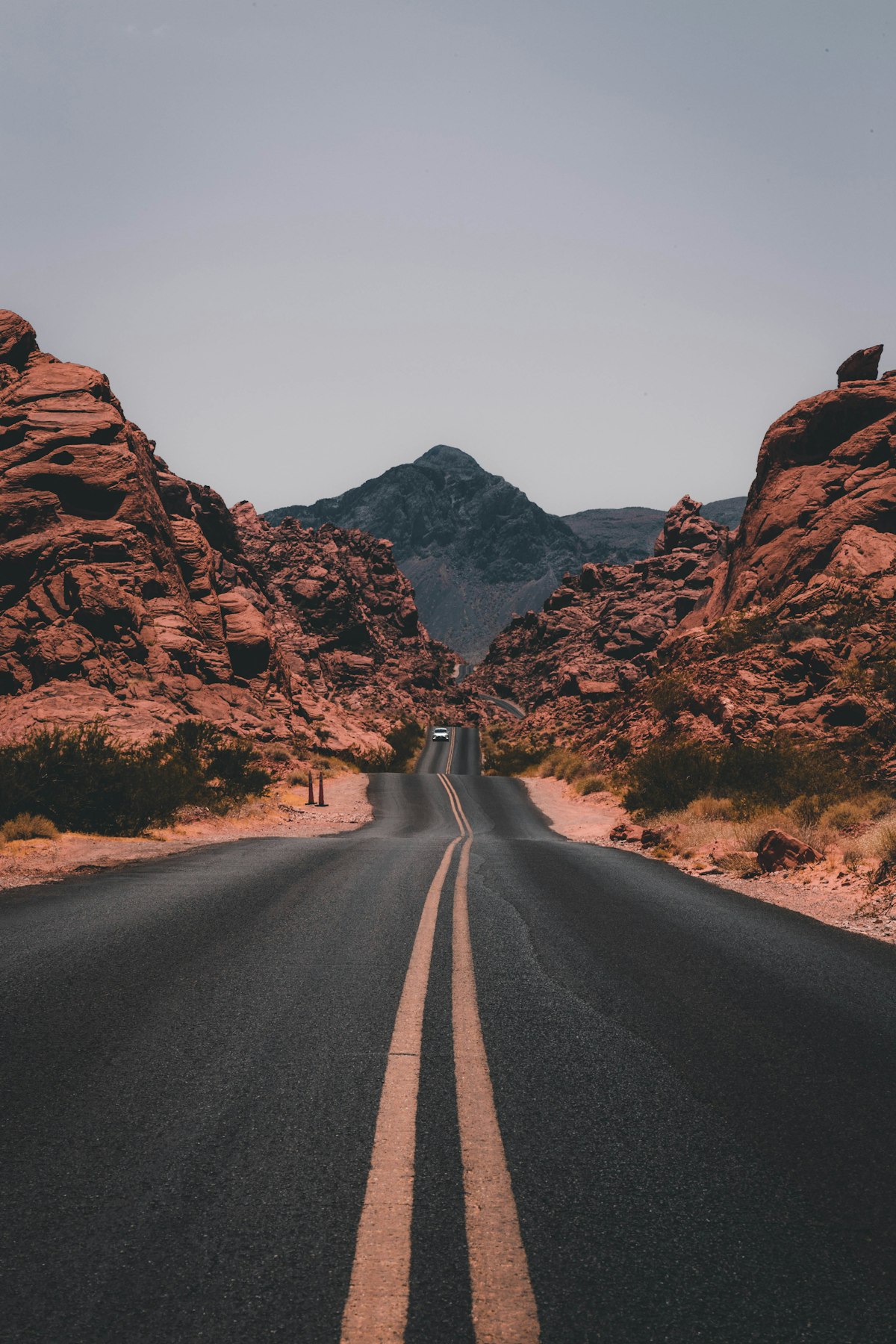

A motorbike loop through the countryside around Pai is one of the best ways to see the valley beyond the main walking street.
The roads are not especially long, but they demand more attention than a city ride. You are dealing with hills, curves, changing weather, and occasional rough patches.
What Makes the Loop Worth It
The reward is not a single dramatic destination. It is the movement between places.
You leave town, pass through quiet farmland, and arrive at waterfalls that feel more local than the busiest viewpoints. The route gives you a sense of how Pai sits inside its landscape.
It is also an easy way to create a flexible day. You can stop for coffee, turn down a side road, or wait out a short rain shower without ruining a strict itinerary.
Mae Yen and Mo Paeng
Two waterfalls often anchor the loop.
Mae Yen usually requires a longer approach on foot. The walk is part of the experience, so wear shoes that can handle mud and do not plan it as a quick five-minute photo stop.
Mo Paeng is more accessible and has natural pools where people swim. It can get busy in the middle of the day, especially during high season.
Water levels change with the season. A waterfall that looks powerful after rain can be much smaller during a dry spell.
A Sensible Route
Do not try to see every waterfall in one afternoon.
A better approach is:
Pai -> one waterfall -> local lunch -> second waterfall -> return before sunset
This leaves time for unplanned stops and keeps the ride from becoming a race.
Fuel and Supplies
Fill the tank before leaving town. Fuel stops become less frequent once you move into the countryside.
Bring drinking water, a rain layer, and a basic phone charger. A paper map or offline route is useful because signal can drop in the hills.
Do not overload the scooter. A heavy bag changes how the bike handles on curves.
Riding Safety
The main risks are speed, gravel, and rain.
Take corners slowly, especially on unfamiliar roads. Watch for sand or leaves near the edge. If heavy rain arrives, stop somewhere safe rather than trying to push through.
Always wear a helmet. Even a short loop is still a real ride.
Best Time to Go
Start in the morning when the air is cooler and the roads are less busy. Returning before dark is the most important part of the plan.
The rainy season makes waterfalls more dramatic but also makes roads slicker. In the dry season, expect easier riding but lower water levels.
Is the Loop Suitable for Beginners?
Only if you are already comfortable on a scooter.
This is not the place to learn. If you are new to riding, hire a driver or join a small tour instead.
Renting a Bike for the Loop
Rental shops in Pai are common, but the condition of the bikes matters more than the price. Before taking a scooter, check the brakes, tires, lights, mirrors, and whether the fuel tank is full. Take a short test ride on a quiet street and make sure the bike feels stable under you.
Automatic scooters are easier for most visitors than semi-automatic or manual bikes. If you have never ridden one before, the loop is not a good place to learn. Ask about the rental agreement, helmet, and what happens if you break down. Save the shop's number in your phone and confirm whether roadside help is included.
Route Notes for the Drive
The roads around Pai change quickly. One section may be smooth and open, while the next has gravel, potholes, or a steep curve hidden by trees. Keep your speed down, especially on the way to Mae Yen and Mo Paeng, where the final approaches can be narrow.
Give yourself a rough plan but not a strict timetable. You might stop longer at a waterfall, wait for rain, or discover a small food stall. The loop is more enjoyable when you can use that time without worrying about returning to Pai at an exact minute.
What to Do If Conditions Turn
If rain arrives, do not try to push through a slippery section. Find a covered food stall, a small shop, or another safe place to wait. Rain in the hills can pass quickly, but wet leaves, mud, and low visibility make the roads much less forgiving.
After rain, ride more cautiously on shaded corners where the surface dries slowly. If the road is flooded or blocked, turn around instead of guessing whether the water is shallow.
Rest Stops and Food
The best stops are often small, local, and not marked on every map. A roadside stall with cold drinks, fruit, or a simple noodle plate gives you a reason to get off the bike and look at the landscape. Plan one stop between waterfalls rather than riding straight through. It makes the loop safer and turns the day into a route rather than a checklist.
For more slow-travel ideas around town, use the Pai city guide and the Riverside guide.