Planning a trip to Thailand is usually much easier than many first-time visitors expect. For US citizens, a visa is not required for short tourist trips, and Americans can currently enter Thailand without a visa for stays of up to 60 days. This makes Thailand one of the most convenient destinations in Southeast Asia, whether you are visiting for a quick holiday, exploring the islands, or spending a few weeks enjoying the slower pace of places like Chiang Mai.
Before booking your flight, it is still worth checking the latest entry requirements and understanding how long you can stay. While short vacations are simple, travelers planning longer stays, remote work, or extended time in Thailand may need to look into other visa options.
In this guide, we will cover the current Thailand visa rules for US citizens, entry requirements, stay limits, extensions, and what you should know before your trip.
Do US Citizens Need a Visa to Visit Thailand?
No, US citizens do not need a visa for short tourist trips to Thailand.
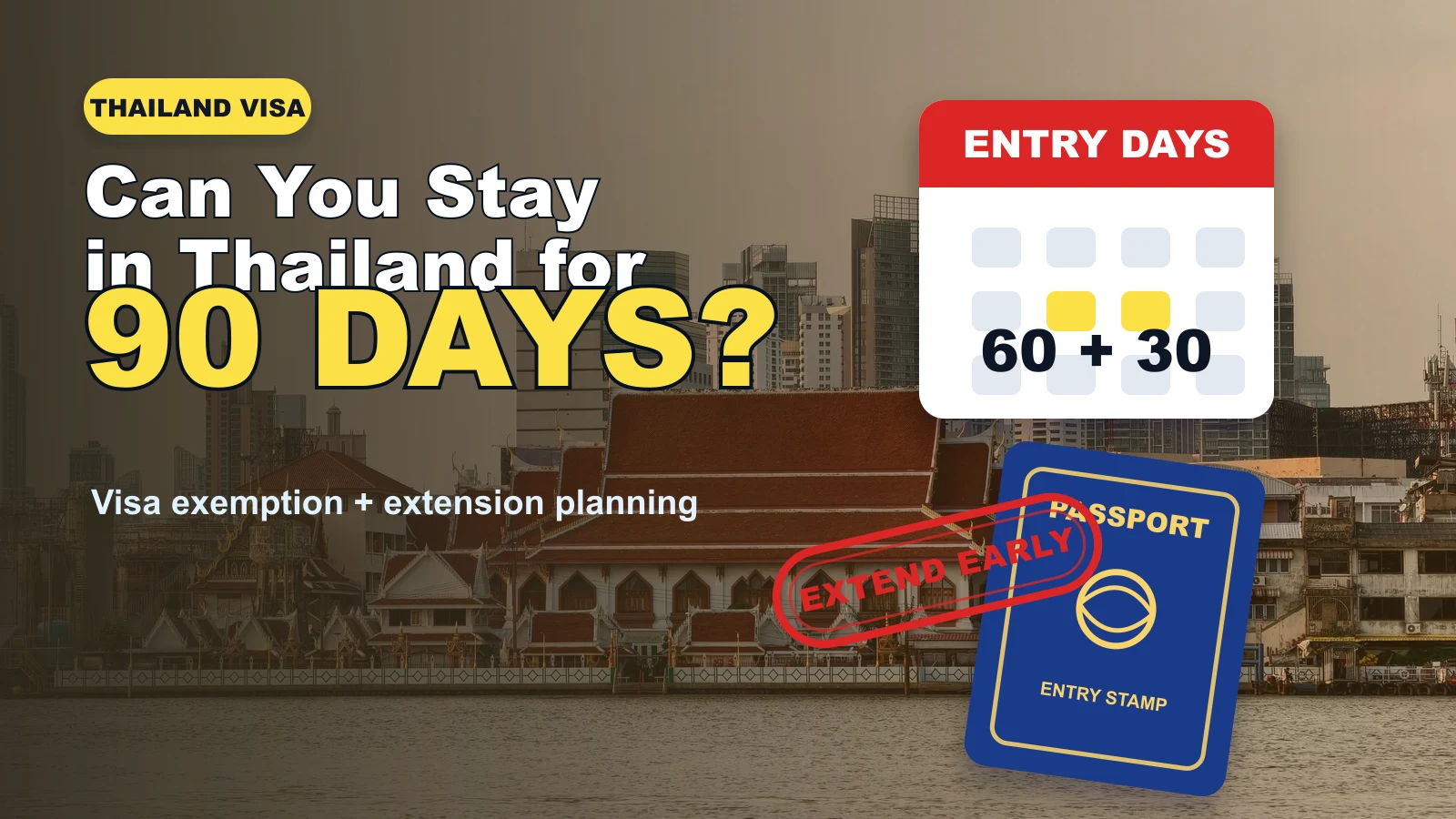
American travelers can enter Thailand under the visa exemption program and stay for up to 60 days for tourism.
This applies to travelers who:
- Hold a valid US passport
- Visit Thailand for tourism
- Stay within the permitted period
- Meet Thailand’s immigration requirements
How Long Can US Citizens Stay in Thailand Without a Visa?
US citizens can stay in Thailand for up to 60 days without a visa when entering for tourism.
Examples:
- A 7-day Bangkok trip → No visa needed
- A 2-week Thailand holiday → No visa needed
- A 45-day island trip → No visa needed
- A stay longer than 60 days → Additional visa options may be required
Thailand Entry Requirements for US Citizens
Although Americans do not need a visa for short visits, they still need to meet Thailand’s entry requirements.
A Valid US Passport
Your passport should:
- Be valid for your entire stay
- Have enough blank pages for immigration stamps
Thailand Digital Arrival Card (TDAC)
Travelers entering Thailand are required to complete the Thailand Digital Arrival Card before arrival.
The online form includes basic information such as:
- Passport details
- Travel information
- Accommodation details
- Arrival information
Proof of Return or Onward Travel
Immigration officers may ask for proof that you plan to leave Thailand.
This can include:
- Return flight ticket
- Flight to another country
- Travel itinerary
Accommodation Information
You may need to provide details about where you will stay, such as:
- Hotel reservation
- Rental address
- Contact information
Can US Citizens Stay in Thailand Longer Than 60 Days?
Yes, but you need to follow the correct immigration rules.
If you want to stay longer for:
- Extended travel
- Digital nomad lifestyle
- Retirement
- Business
- Education
Many long-term travelers choose different visa options depending on their situation and how long they plan to stay.
Do US Citizens Need a Visa for Thailand if Staying More Than 60 Days?
Yes, if your planned stay exceeds the visa-free period, you will usually need a visa or another approved immigration option.
Common situations include:
Long-Term Travel
Travelers spending several months in Thailand may need a long-stay visa instead of relying on short tourist entry.
Remote Work
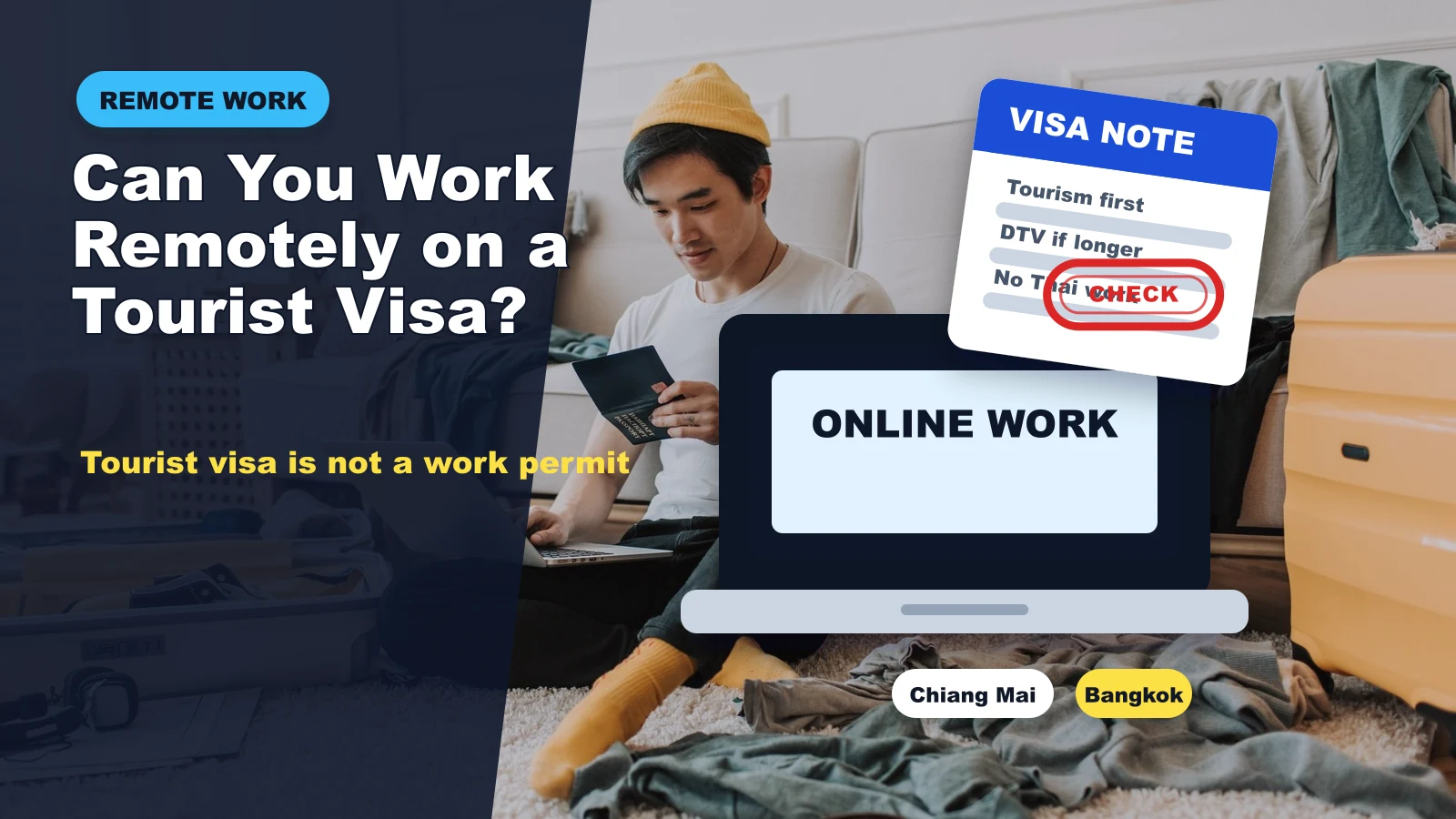
Digital nomads should check Thailand’s current visa options because working remotely while staying as a tourist may not always match immigration rules.
Retirement
Older travelers planning to live in Thailand often need a retirement-related visa.
Business or Employment
Working for a Thai company requires the appropriate visa and work authorization.
Can US Citizens Extend Their Stay in Thailand?
In many cases, travelers can request an extension of their stay through Thai immigration offices.
For example, tourists who enter Thailand without a visa may be able to extend their stay depending on current regulations.
If you are considering an extension:
- Apply before your allowed stay expires
- Bring your passport
- Prepare required documents
- Check the latest immigration requirements
Do Americans Need a Visa for Bangkok, Phuket, or Chiang Mai?
No. US citizens do not need a visa for short tourist visits to popular destinations such as:
Bangkok
Thailand’s capital is ideal for:
- Food experiences
- Shopping
- Cultural attractions
- City exploration
Chiang Mai
A favorite destination for slow travelers and digital nomads because of:
- Affordable living costs
- Cafes and coworking spaces
- Mountain scenery
- Relaxed lifestyle
Phuket and Krabi
Popular for:
- Beaches
- Island trips
- Resorts
- Water activities
Can US Citizens Visit Thailand Multiple Times Without a Visa?
Yes, US citizens can visit Thailand multiple times, but frequent entries may receive additional attention from immigration officers.
Thailand’s visa exemption is designed for genuine short-term tourism.
If you regularly stay in Thailand for long periods or make repeated entries, you may need to consider a proper long-stay visa option.
Thailand Visa-Free Entry vs Tourist Visa
The best option depends on your travel plans.
| Visa-Free Entry | Tourist Visa |
|---|---|
| Short vacations | Longer stays |
| Up to 60 days | Longer approved periods |
| Simple arrival process | Requires application |
| Best for normal tourism | Better for extended travel |
Common Mistakes US Travelers Make in Thailand
Staying Beyond the Allowed Period
Overstaying your permitted stay can result in fines and immigration issues.
Always check your entry stamp and departure date.
Not Checking Passport Validity
A passport that is close to expiration may create problems before your trip begins.
Forgetting Arrival Requirements
Make sure you complete any required arrival forms before entering Thailand.
Assuming Tourist Entry Allows Long-Term Living
Thailand is popular among digital nomads and retirees, but staying long-term requires choosing the right visa option.
Best Time for US Citizens to Visit Thailand
Thailand can be visited throughout the year, but the best time depends on where you go.
Northern Thailand (Chiang Mai, Chiang Rai)
Best months:
- November to February
Central Thailand (Bangkok)
Best months:
- November to February
Southern Islands (Phuket, Krabi, Koh Samui)
The best season depends on the coast, but many travelers prefer the drier months for beaches and outdoor activities.