Kuala Lumpur drinks coffee in many languages at once. Kopitiam culture, mall espresso bars, third-wave roasteries and late-night mamak tea shops share the same metro map. A local roastery visit is your entry to the third-wave layer: people who roast, cup and argue about processing while the city hums outside.
KL rewards planning because distances are long even when neighborhoods look close on a map. Pick one cluster—Bangsar, Damansara, Chinatown edges, or a mall with a serious anchor tenant—and commit to a slow morning there.
Malaysian Beans and Broader Menus
Local roasters highlight Malaysian-grown lots when available, alongside Indonesian and Central American imports for variety. Ask what's roasted in-house this week versus retail bags from partner facilities.
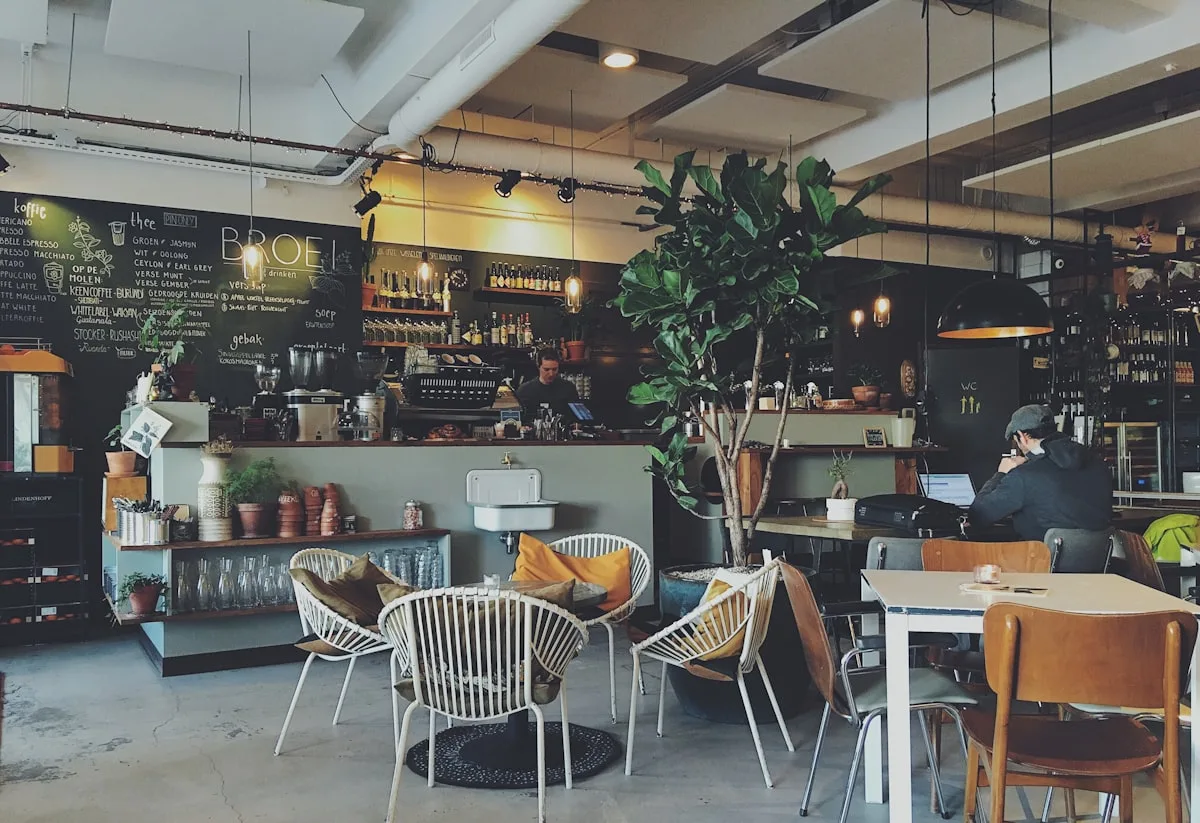
White coffee and traditional kopitiam roasts are darker and often paired with toast and eggs. Specialty roasteries may roast lighter for filter; do not assume the same bean works for both styles without adjustment.
Getting Between Roasteries Without Melting
Trains and covered walkways beat midday walks. Grab rides are cheap but surge in rain. Stack coffee stops with lunch and a gallery visit in the same district to avoid cross-city traffic twice in one day.
Air-conditioned malls hide excellent roasteries behind generic facades; independents on street level may roast where you can smell it. Choose by goal: comfort or transparency.
Tasting Like a Resident, Not a Checklist Tourist
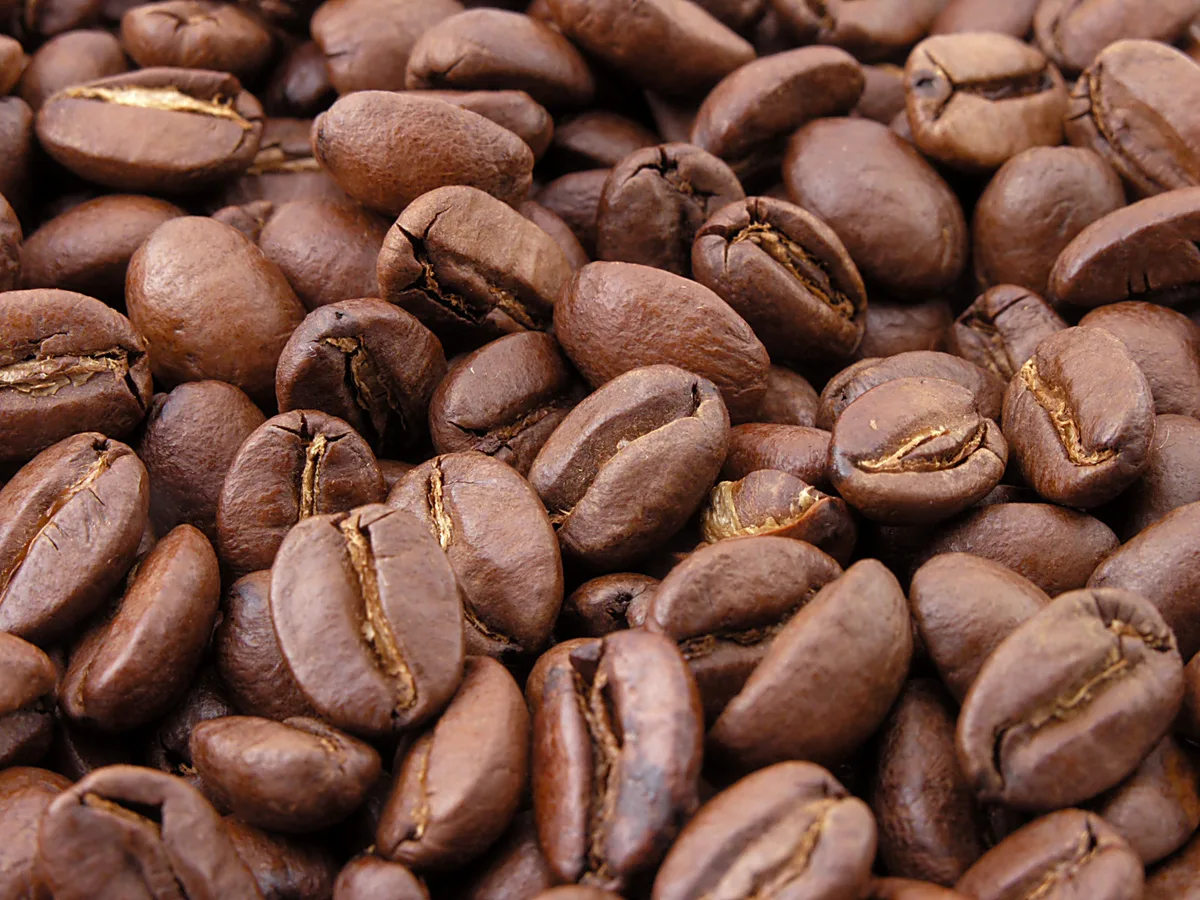
Order one black coffee before milk drinks. KL baristas often tune espresso for flat whites and lattes in humid weather. If you brew pour-over at home, say so before buying a bag labeled "house espresso blend."
Many shops close one weekday; check hours online the same morning, not from a year-old blog post.
Buying Beans at KL Prices
Specialty coffee here costs less than in London or Sydney but more than street kopitiam cups. Value shows in roast date and origin detail, not bag art. Buy 250 grams unless you consume daily.
Packing for international flights is straightforward in sealed retail bags; declare if your home country requires agricultural items.
Itinerary Links
The two-day KL itinerary helps place coffee beside Petronas Towers and food markets. The Kuala Lumpur hub covers transport cards and neighborhood choice for longer stays.
Halal, Vegetarian and Cafe Food
Many roasteries serve halal-friendly pastries and meals; confirm if dietary rules matter. Coffee itself is usually straightforward; food cross-contamination questions belong to the kitchen, not the roaster.
Work-Friendly vs Tasting-Friendly
KL has dedicated work cafes with outlets and quiet zones. Roasteries may prefer turnover during brunch. Read the room: laptops okay at a back table, not at the brew bar during a cupping event.
Rain and Haze Seasons
Sudden storms flood sidewalks; haze periods keep people indoors and malls busy. Both push crowds toward popular roasteries. Arrive at opening or mid-afternoon lulls.
Who Should Dive Deep
Coffee enthusiasts, food travelers stacking hawker meals with filter flights, and remote workers choosing a base neighborhood for a month. Skip deep roastery tours if you only transit KLIA overnight.
Leave KL With One Story
Maybe a Malaysian lot you did not know existed, or a roast level that changed how you think about white coffee sweetness. One bag with a clear brew plan beats five identical souvenirs.
Halal Breakfast Overlap
Many roasteries open early for breakfast crowds mixing Malay, Chinese and Indian preferences. Pork dishes may be absent even when menus look Western. Coffee itself is usually uncomplicated; food questions matter more for mixed groups.
Public holidays can empty offices but fill malls. Roasteries inside malls track mall hours; street shops may close independently. Check both if you plan a cross-town crawl.
Touch 'n Go and Small Purchases
Retail bean bags sometimes cost less than the minimum card tap. Carry some cash for purchases under the card floor. Receipts help if you need to declare agricultural goods at home borders.
MRT Coffee Runs and Bag Sealing
KL spreads roasteries across districts linked by MRT and LRT lines. Pick one near a station you use daily so tastings do not become cross-town projects. Touch 'n Go works almost everywhere, but some small counters prefer cash for bags under card minimums. After monsoon downpours, keep beans in an inner dry pocket; umbrella drips and train condensation add up. If you split time between Bukit Bintang and Bangsar, buy smaller bags per neighborhood rather than hauling one stash through crowded interchange walks.
Hotel kettles boil fine for pour-over if you packed a small filter; just rinse cups well if the room had tea bags before you arrived.
Food Courts and Coffee After Hawkers
KL hawker centers load lunches with spice and coconut richness. Afternoon espresso can taste sharper than it is because your palate is coated. Morning roastery visits still win for filter clarity. Some malls connect to LRT stations; use that link when rain makes street crossings miserable. Parking at standalone roasteries in suburban strips is easier with Grab drop-off than hunting basement slots during lunch rush.
Hari Raya and Holiday Hours
Public holidays shift mall hours and staff rosters. Check Instagram or Google hours the night before a holiday morning tasting.
Notes for Your Next Cup
KL crawls fail when you forget which neighborhood worked. Save the MRT stop and shop name together so your second visit skips an hour of transfer guessing.