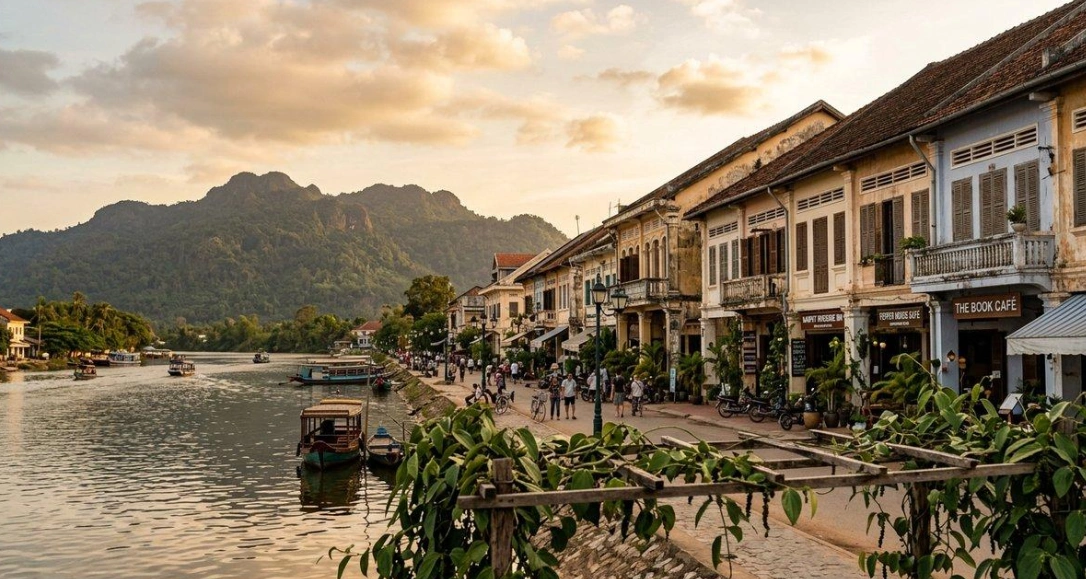

Kampot moves at river speed, and its coffee scene matches that scale. You will not find a block of twenty roasteries, but you will find small shops where expats, cyclists and slow travelers stop before pepper farm tours or kayak afternoons. A local roastery here is usually a cafe that roasts modest batches or sources carefully from regional suppliers, then explains the cup without pretending to be a global chain.
That honesty fits Kampot. The town sells relaxation and scenery more than urban convenience. Coffee becomes part of a morning on the waterfront or a break between countryside trips, not a metropolitan habit chased block by block.
What to Expect in a Small Market
Menus are shorter, equipment is simpler, and hours may follow owner schedules more than mall timetables. Freshness still matters: ask roast dates even if the bag design looks handmade. Staff often remember returning guests because volume is low.
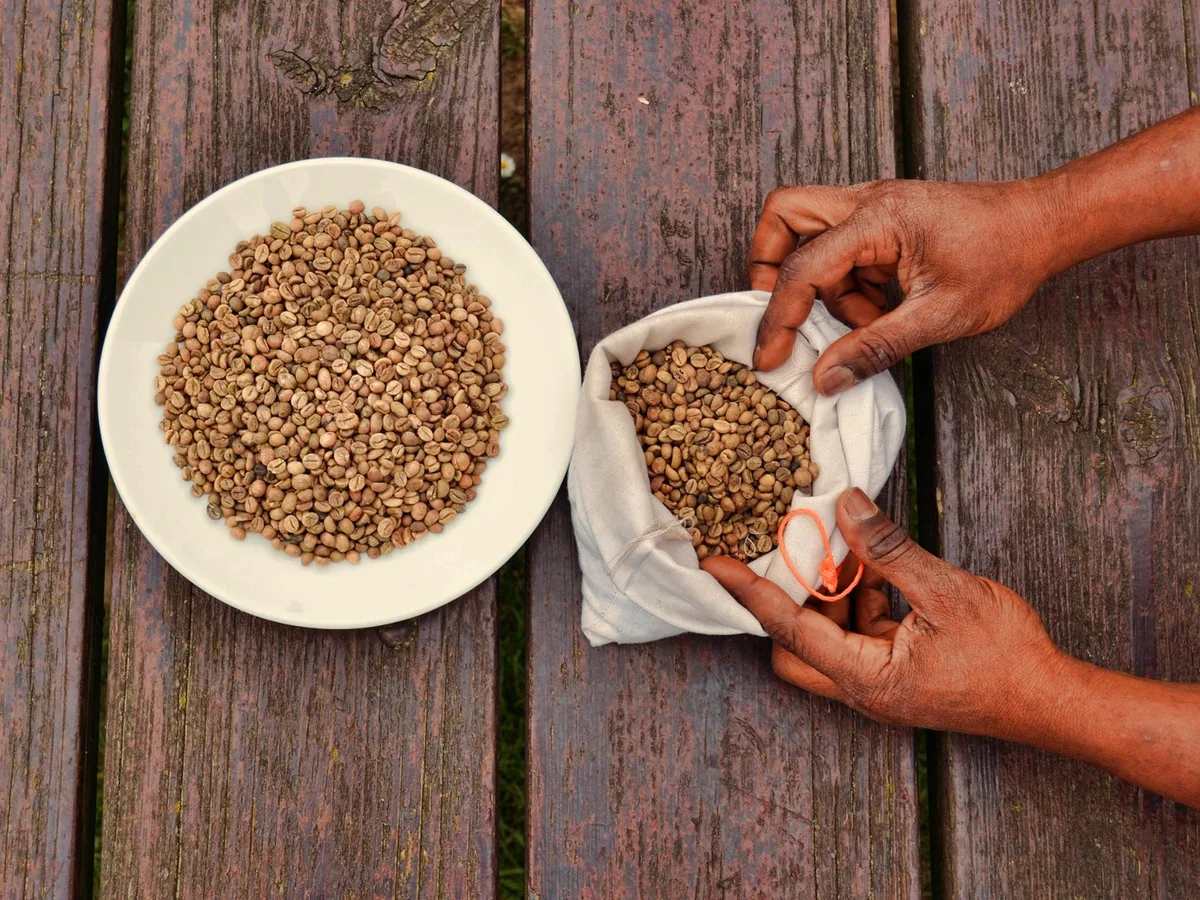
Beans may come from Cambodia's emerging farms, from Vietnam across the border, or from broader Southeast Asian imports roasted locally. The question is not national pride alone but whether the roaster can tell you why this bag tastes the way it does.
Morning by the River
Heat builds quickly near the water. Early visits give you shade, quieter streets and baristas with time to talk. Pair coffee with a walk along the promenade or a quick look at the market before tour buses arrive for pepper excursions.

Roastery stops work poorly as a late-night plan. Kampot evenings belong to seafood and sunset drinks, not filter tasting flights.
Buying Without Overstocking
Travelers on motorbike loops through Kep and Bokor should buy small bags sealed against humidity. If you continue to islands with salt air, double-wrap beans inside dry bags. Ground coffee goes stale fast in open baskets; grind only what you need for a few days.

Prices reflect a tourist town but stay modest compared with Western roasters. Support shops that label origins clearly rather than generic "house blend" only.
Pairing Coffee With Kampot Days
Pepper farm tours, salt fields near Kep, and lazy river afternoons all benefit from a clear-headed start. Coffee is not the main reason people come to Kampot, which is why a good roastery stop should be efficient: one cup, one informed purchase, then out toward the countryside.
The Kampot river hotels guide helps if you are staying several nights and want a base within walking distance of cafes. The Kampot hub links food, transport and pacing for longer stays.
Signs You Found the Right Place
They can explain brew method, they weigh beans in front of you, and they do not oversell flavored syrups as "specialty." The room may look casual. Quality shows in the cup and the answers, not in marble counters.
When a Roastery Visit Can Wait
If you arrived exhausted from a night bus, sleep first. If rain turns streets muddy, choose a cafe with indoor seating rather than a roastery tour across town. Kampot rewards rest; coffee fits the rhythm, it does not need to dominate it.
Leaving With Something Useful
One bag, one brew plan, one memory of a quiet morning before the river traffic picks up. That is enough. Kampot is not a city for collecting stamps on a coffee passport; it is a place to taste slowly and carry one good bean onward.
Pepper Farms and Palate Fatigue
Pepper tours involve tasting sharp, aromatic samples. Coffee after pepper can taste flat if your palate is overwhelmed. Rinse with water, wait twenty minutes, then order a filter coffee so you can judge sweetness fairly.
Some guesthouses partner with local cafes for morning delivery. Ask whether beans are ground fresh or pre-packed; freshness changes quickly in open-air kitchens.
Border Trips and Bean Planning
Travelers continuing to Kep or Vietnam may want to finish Kampot bags before crossing borders to simplify customs questions. Small retail sizes reduce waste if your next stop has its own coffee scene.
Evening river walks pair with decaf or lighter roasts if caffeine disrupts sleep in quiet towns where nights are truly dark.
Pepper Farms and Palate Reset
Kampot pepper tours fill afternoons with heat and tasting fatigue. Schedule roastery visits on a separate morning when your palate is not coated with spice. River breezes help, but open-air pepper stalls still leave pepper oil on your hands; wash before handling retail bags so aroma does not pick up savory notes. Some farms sell coffee as a side product; treat those bags as souvenirs unless staff can name roast date and origin clearly. Town roasteries remain the safer bet for beans you will brew daily at a guesthouse.
Salt Fields and Sweat
Salt pan visits in midday sun drain you faster than river walks. Save milk-based tastings for after you shower, not before salt wind dries your throat.
Notes for Your Next Cup
Kampot rewards repetition at the same counter across several mornings. Staff remember preferences when volume is low, and you taste seasonal bean changes without chasing new addresses each day.
Storage in River Humidity
Kampot air carries moisture from the water and pepper fields. Keep valve bags closed between openings, and avoid leaving retail on open guesthouse balconies where morning mist settles. A small zip bag inside the roaster pouch is cheap insurance before motorbike rides toward Bokor or Kep, especially in rainy weeks.