Hanoi does not reveal itself from a tour bus. It shows up in small things: the clatter of a phin filter dripping onto condensed milk, the squeak of a stool being pulled onto the pavement, the smell of grilled pork at seven in the morning. Spend a week or two here and you start to fall into a rhythm that is not the tourist rhythm at all.
This is a picture of what daily life in Hanoi actually looks like, written for anyone staying long enough to notice it.
The Day Starts Early
Hanoi wakes up before the sun is fully up. By six in the morning the lakeside paths are full of people walking, jogging, doing tai chi and lifting makeshift weights in the open air. Grandparents push strollers, groups dance to music from a portable speaker, and the whole city seems to be exercising at once.
The coffee shops open at the same time. A phin filter sits on a tiny glass, dripping slowly, and the first customers are people on their way to work. The traditional morning coffee is strong, sweet and quick, drunk standing at a stall or perched on a stool no taller than your knee.
If you want to understand the city, get up early for one week. You will see more of Hanoi before eight in the morning than most visitors see in a day.
Coffee Is the Clock
Coffee structures the day here. There is the early coffee on the way to work, the mid-morning coffee with a colleague, the afternoon coffee that is really an excuse to sit down, and the evening coffee for people who do not drink beer. The city has thousands of places to do this, from a pavement stall to a rooftop bar.
The local style is built around the phin filter and condensed milk, which makes a small, intense, sweet cup. The newer specialty shops serve espresso and pour-over, and the two coexist without conflict. Most people drink the local thing; the specialty shops are for whoever wants them.
For a traveller, coffee is the easiest way into the city's social life. Sit down, order slowly, and stay for an hour. No one will hurry you.
The Old Quarter in the Morning and the Evening
The Old Quarter is the historic heart of the city, and it runs on a schedule. In the morning it is a wholesale market, with goods unloaded on the pavements and shopkeepers arranging stock. By midday the streets are hot and loud. In the evening, when the tour buses have gone, the area becomes something else: food stalls, small bars, and families sitting out on the pavement.
The trick is to walk the same streets at different times of day. The Old Quarter is not one place, it is four, and each one has its own character.
Markets, Shops and Street Food
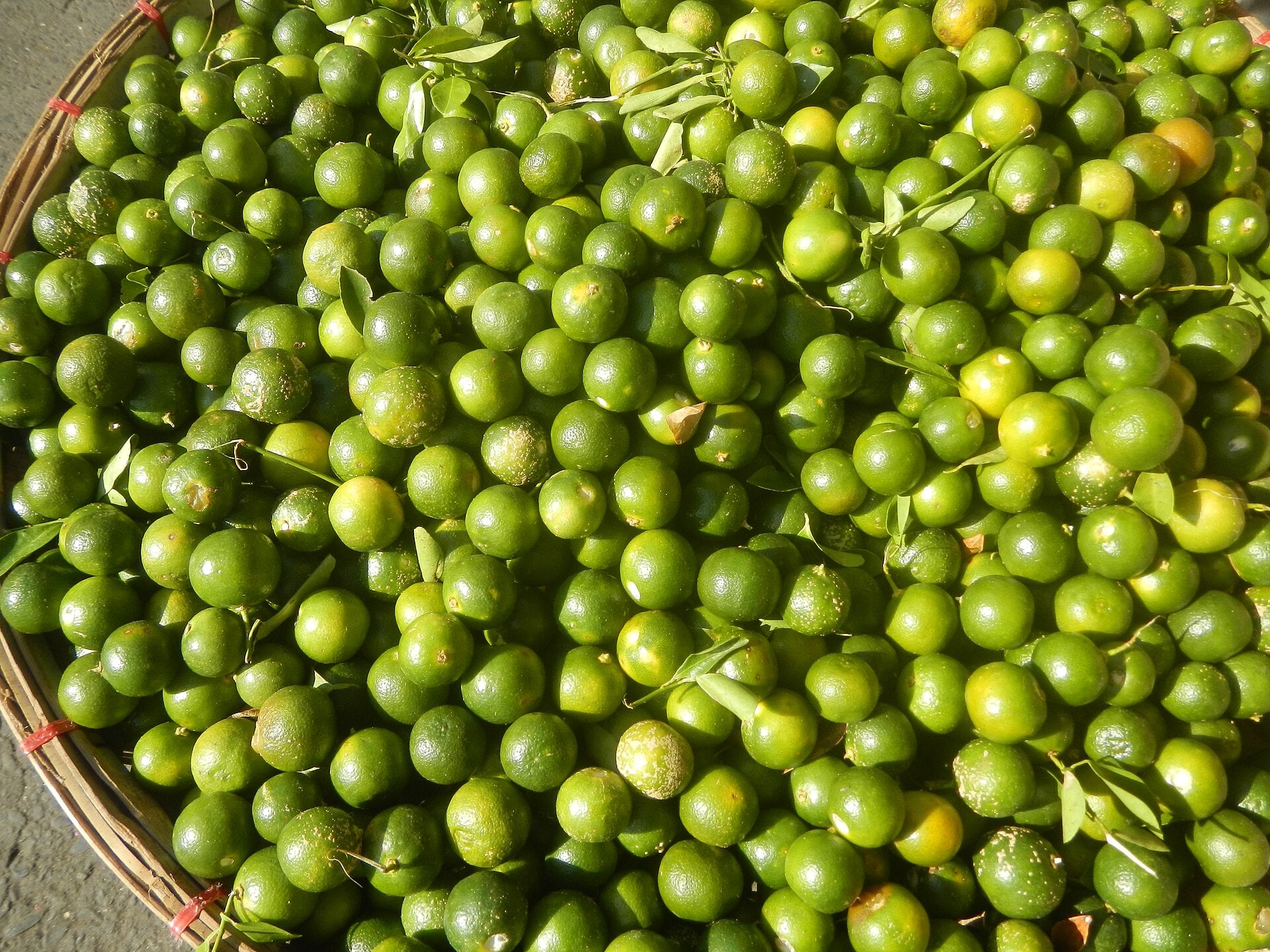
Daily life runs through the market. Fresh food arrives early, and the smaller neighbourhood markets are more interesting than the big tourist ones. Buy fruit from the person who is selling the same thing every day, and you start to be recognised.
Street food is not a special occasion here. It is lunch. A bowl of noodles, a plate of rice, a banh mi from a cart, a bowl of pho eaten at seven in the morning. Prices are low and portions are sized for a working day, so eating two small meals is normal.
If you want a guided introduction, the Old Quarter food walk is a good place to start, but after a few days you will find your own places.
Rain, Heat and the Shape of the Year
Hanoi has four seasons, and they change how daily life feels more than any single event on the calendar. The winter months are cool and often damp, with a grey drizzle that makes the coffee stalls feel even better and the locals wrap up in scarves and jackets. It is rarely freezing, but the damp cold gets into a room with no heating, so plan for a layer you did not expect to need.
Spring brings warmer days and the humidity that the north is known for, plus the drizzle that hangs around for weeks. Summer is hot, humid and prone to sudden heavy downpours, usually in the afternoon, that flood the streets for an hour and then clear. Autumn, from around September to November, is the season locals love best, with clear skies, cooler mornings and the smell of milk flowers in the streets.
The rhythm of a day shifts with the season rather than ignoring it. In the hot months, life moves early and late, and the middle of the day belongs to air conditioning. In the cool months, the same streets stay busy all day, and the evening walk is something to look forward to rather than endure.
The Afternoon Pause
By early afternoon the heat takes over. This is when the city moves indoors, into air-conditioned cafes, bookshops, malls and apartments. There is a genuine pause in the middle of the day, and it is worth respecting rather than fighting.
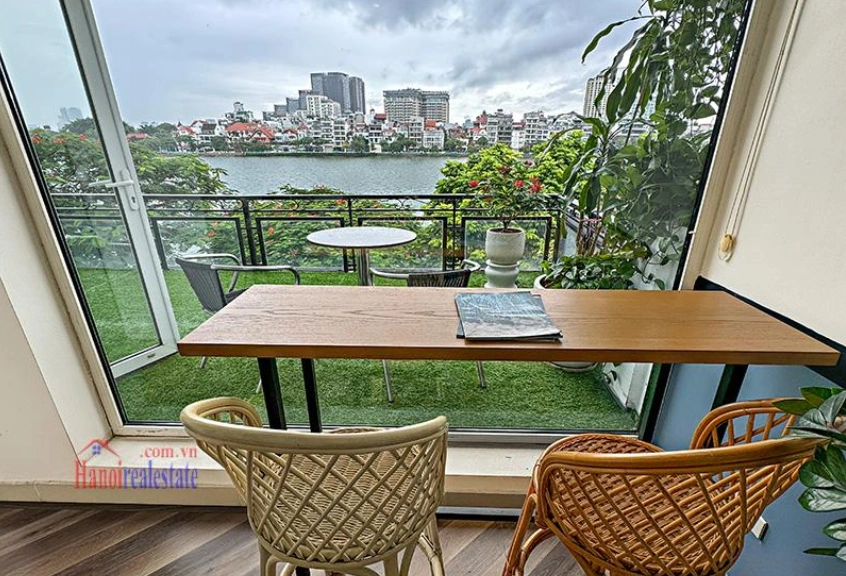
This is also when Hanoi's quieter pleasures appear. A book cafe with a fan and a cold drink, a gallery, a lake-side bench in the shade. The city is good at giving you somewhere to sit.
Evenings and Unplanned Dinners
As the sun drops, the streets fill again. The lakeside paths refill with walkers, the food stalls light up, and the city settles into its best hours. Dinner is often unplanned. You walk, you see something cooking, you sit down. That is the normal way to eat here.
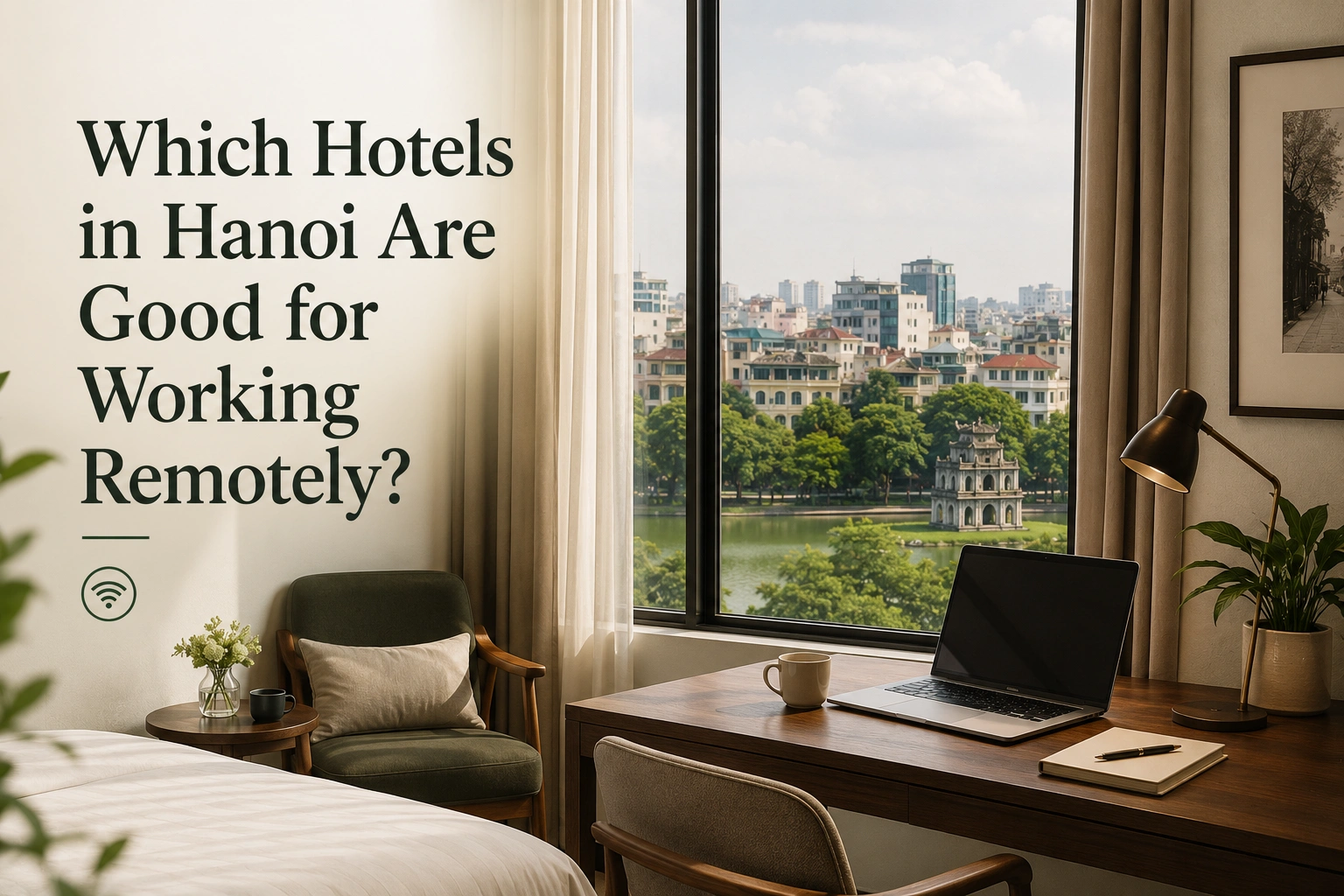
Around Hoan Kiem Lake, the evening crowd is a mix of locals, students and visitors. On the weekends, parts of the surrounding streets close to traffic and become a walking area, and the atmosphere is closer to a festival than a normal evening.
The Sounds and the Pace
Hanoi is loud. Motorbike horns, construction, vendors calling out, music from shops. It is also, once you adjust, surprisingly calm at street level, because so much of life happens in public and in the open.
The pace is quick when it needs to be and slow when it does not. A city that looks chaotic at the crossing can feel unhurried an hour later at a coffee stall. Learning to move between those two speeds is the real skill of living here.
Practical Notes for Staying a While
Choose accommodation away from the busiest streets if you value quiet, and check the room in person before you commit to a long stay. Learn a few words of Vietnamese, at least for greetings and thanks, because it changes how people respond to you.
Carry small notes and keep some cash on you, since many small businesses do not take cards. Cross the road at a steady pace rather than stopping and starting, because the traffic moves around you. And give yourself a slow first week, because Hanoi rewards patience far more than speed.