A roastery visit in Da Nang is more useful when you arrive with questions. Vietnam produces far more than the dark, sweet coffee used for condensed-milk drinks, but the range can be confusing if every bag looks equally serious. Tasting before buying is the best way to avoid carrying home coffee you do not enjoy.
The focus here is the coffee itself: what is roasted, how it is brewed and what will survive the trip home. Treat food, seating and laptop space as secondary concerns.
Vietnamese Beans Worth Asking About
Start by asking where the beans were grown. Da Lat and the surrounding Lam Dong highlands are common sources, while Son La, Dien Bien and other northern regions may appear on a changing list. Robusta brings body, chocolate and nutty notes. Arabica is usually lighter, with more acidity and fruit when roasted carefully.
Blends are not inferior. A robusta-arabica blend can make a balanced espresso or a strong milk coffee. The useful question is not "which bean is best?" but "what is this bean meant to do?" A roaster may recommend one coffee for phin, another for espresso and a third for filter.
Processing also changes the cup. Natural coffees can taste sweeter and more fruit-forward, while washed coffees are often cleaner. Do not rely on a single label. Ask what the roaster tastes in the current batch.
How to Taste Without Overordering
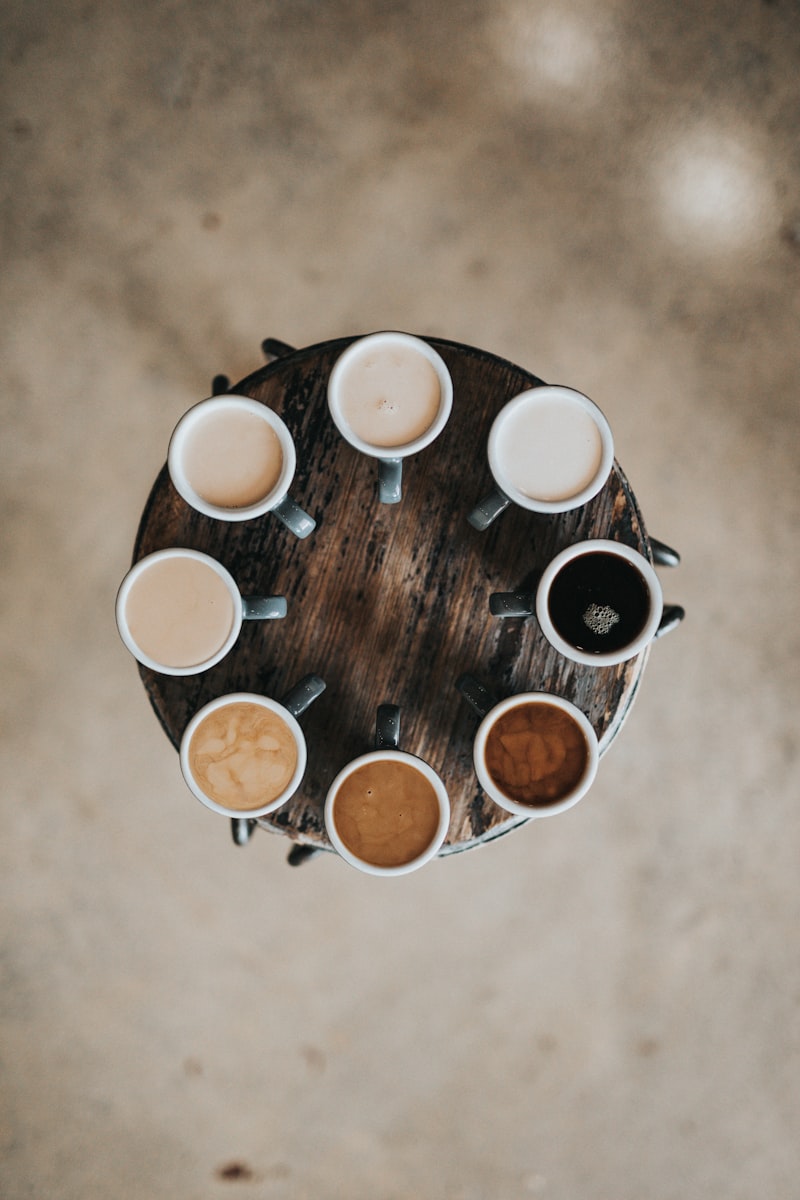
Choose two small drinks rather than a sequence of large iced coffees. If the shop offers a tasting flight, share it. Otherwise, order one black coffee and one milk-based drink from different beans if possible.
Cool the coffee slightly before judging it. Very hot liquid hides sweetness, bitterness and aroma. Notice the first impression, the middle of the cup and the finish. You do not need professional vocabulary. "Sweet but heavy," "too sharp" and "smooth with milk" are useful notes.
If you already know you like strong coffee, do not let a barista talk you into the lightest filter roast just because it sounds more advanced. Good coffee should match your actual taste. The 43 Factory Coffee guide offers a useful contrast if you want to compare two modern cafe experiences.
Questions to Ask Before Buying
Ask for the roast date, not only the harvest date. Coffee changes quickly after roasting, and a bag sitting open on a warm shelf is already losing aroma. Whole beans stay fresher longer than ground coffee, especially in humid travel conditions.
Check whether the bag has a one-way valve and a proper seal. If the shop grinds for you, choose the setting based on your equipment at home. Espresso, phin, pour-over and French press all need different grinds.
Ask how the coffee behaves in milk. A roast that tastes flat on its own may be excellent with condensed milk, while a delicate filter coffee can disappear in a large latte. If you are buying gifts, this distinction matters more than an ornate package.
Confirm whether the bag can be resealed and whether the shop sells smaller portions. A 100- or 200-gram bag is easier to finish while it is fresh, especially if you are moving between hotels and airports. If you plan to pay by card, ask before the beans are weighed; some small roasters still prefer cash or a local transfer.
Storage During Travel
Keep beans away from heat, sunlight and strong smells. A sealed bag inside a backpack is fine for a short trip. Avoid opening the bag every day if you are saving it for home. In a humid climate, small moisture packets can help, but they should not touch the coffee directly.
Buy only what you can use within a reasonable period. A kilo may look like good value, yet it becomes a bulky souvenir that sits at the bottom of a bag. Two smaller bags from different regions often teach you more than one large purchase.
Seating, Food and Work
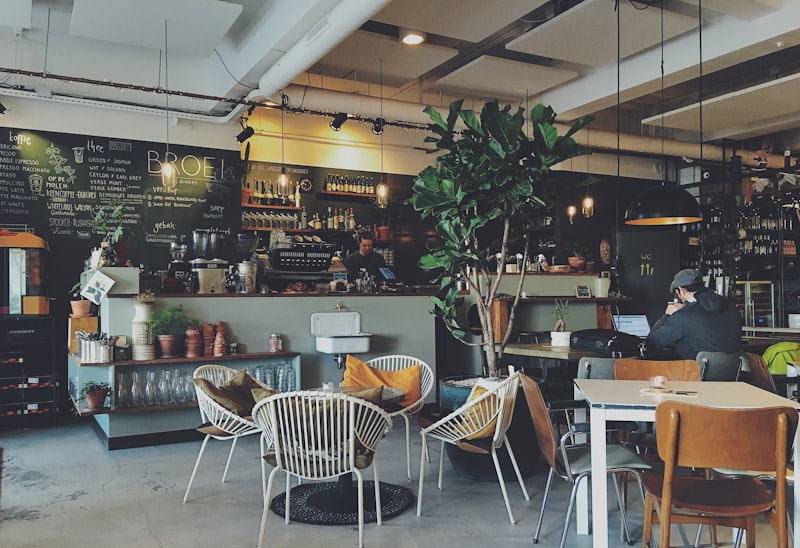
Roasteries vary. Some are standing-room tasting bars, while others provide tables and a limited food menu. Arrive ready to stand, ask questions and move on. If you need a full workday, use a coworking space rather than occupying the best tasting counter for hours.
Food is usually a support act. A croissant or small breakfast item can keep the coffee from hitting too hard, but a full meal elsewhere will be more satisfying.
Best Time for a Tasting
Go when the bar is not overwhelmed. That may be soon after opening or during a quieter afternoon window. Ask one or two focused questions instead of demanding a full lesson while other customers wait.
Leave with a bean you understand: its origin, roast purpose and brewing method. That is a better souvenir than a bag chosen only for its design. For neighborhood context and other coffee stops, begin with the Da Nang guide.