Ubud is often described as Bali's cultural center, but the town itself is busier and more commercial than many first-time visitors expect. The slower side is still there, just not always on the main streets.
The key is to stay near enough for convenience while spending most of your time a few lanes away from the traffic.
Choose a Neighborhood
The central area puts restaurants, markets, and temples within walking distance, but it is also the loudest. Staying outside the core gives you more space and a better sense of daily life.
Popular surrounding areas include Penestanan, Nyuh Kuning, and the quieter roads toward the rice fields. Each has a different balance of access and calm.
Temples and Ceremonies
Ubud has several important temples, but they are not all set up for casual tourism. Some allow respectful visits, while others are primarily used for ceremonies.
Dress modestly, follow local instructions, and do not enter areas that are clearly reserved for prayer. If a ceremony is taking place, give it space rather than treating it as a photo opportunity.
Rice Walks and Green Space
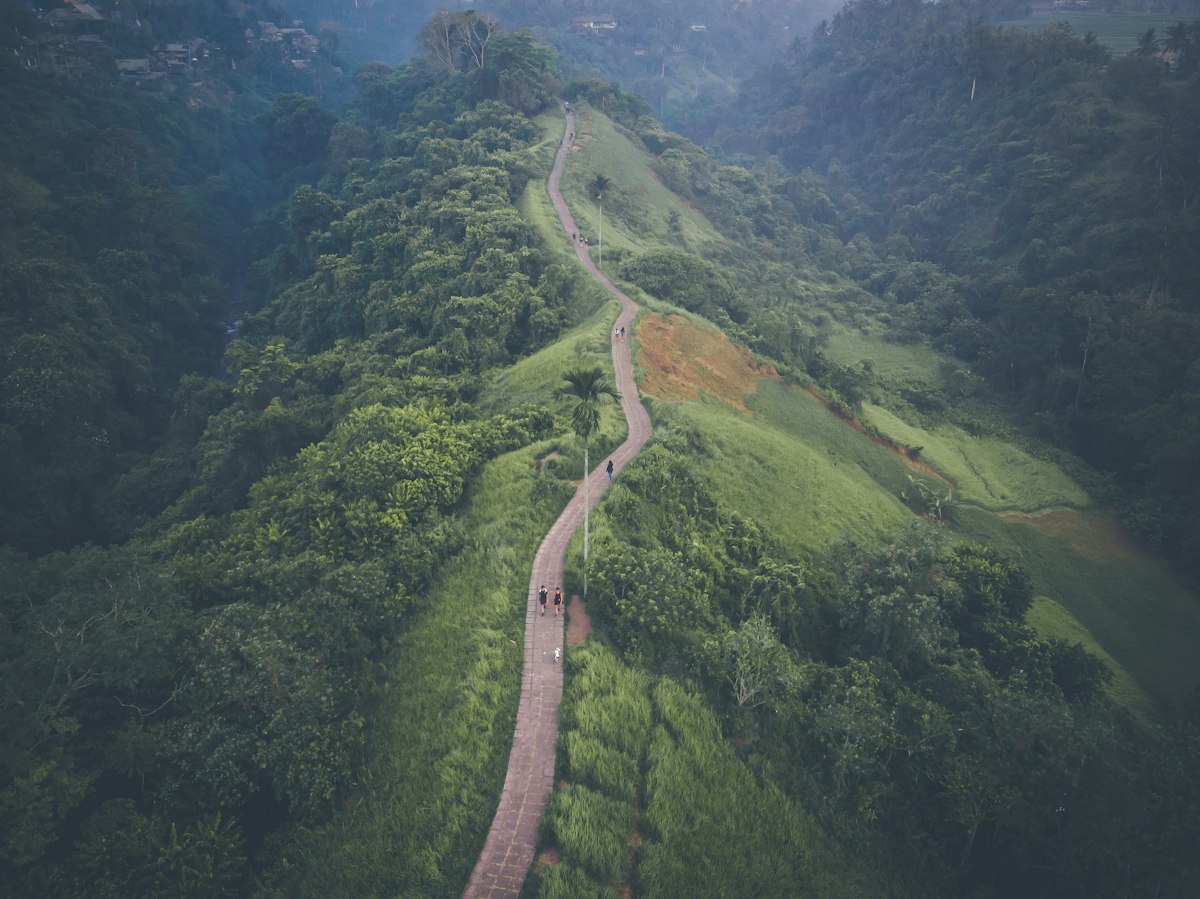
The rice-field walks around Ubud are one of the best free ways to slow down. The paths can be uneven and muddy after rain, so wear shoes that can get dirty.
Start early or late in the day. The midday heat makes an open path feel much longer than it is.
Food and Cafes
Ubud has a wide range of food, from simple local kitchens to plant-based restaurants and specialty coffee bars. The variety makes it easy to eat well, but it can also make every meal feel like a decision.
Pick a few reliable spots near your accommodation and use them as a routine. Reserve the more experimental meals for days when you have time to enjoy them.
Traffic and Getting Around
The center can clog quickly, especially around the market and main intersections. Walking is often faster than a car for short distances, but sidewalks can be narrow or missing.
For longer trips, use a scooter only if you are comfortable with tight roads and heavy traffic. Otherwise, arrange a driver or use a ride-hailing service.
Rain and Weather
Ubud can be humid and rainy even when the coast looks clear. A light rain shell and a dry bag are more useful here than on a beach day.
Plan one indoor backup activity so a sudden downpour does not leave you stranded without options.
Avoid the Checklist Trap
The biggest mistake is trying to see every temple, waterfall, market, and rice terrace in a short stay. Ubud rewards a smaller plan with room to wander.
Choose one or two anchor activities per day. Let the rest of the time be filled by a long lunch, a short walk, or a cafe you found by accident.
Accommodation shapes the experience more than any single attraction. A room with a view of the jungle can be lovely, but a room with poor road access or weak internet can quickly drain the stay.
Cultural etiquette is not complicated, but it matters. Cover your shoulders at temples, remove shoes where requested, and speak softly in ceremonial spaces.
For a short visit, a three-day shape works well: one morning in the center, one rice-field or temple route, and one slower day built around food and a spa.
The town changes quickly from a quiet lane to a crowded street, so carry a small mental map of where the nearest calm path sits. It helps when the market area becomes too much.
If you are staying in a villa, ask the host for a local route that avoids the main intersection. A ten-minute detour through a quieter road can feel like a completely different town.
Ubud also works well for a mixed trip that includes work. Find a cafe or guesthouse with a stable table, then treat the cultural sights as rewards between work blocks.
The food scene can become a destination in itself, but it helps to know what you are looking for. A morning might suit a local market breakfast, while the evening calls for a quieter garden restaurant.
Ubud is also a good place to buy handmade goods, but prices vary widely. Look at a few stalls before choosing, and do not feel pressured to buy the first item that catches your eye.
If the streets feel too commercial, walk toward the edge of town or follow a rice-field path. The shift in atmosphere often happens within ten minutes.
Before choosing a neighborhood, look at the last few hundred meters of your route. A guesthouse can be close to the center on paper but sit at the end of a steep, unlit path that feels very different after dinner or rain. Ask the host for a video of the walk from the road.
For more focused planning, see the Ubud wellness morning and the Bali guide.