
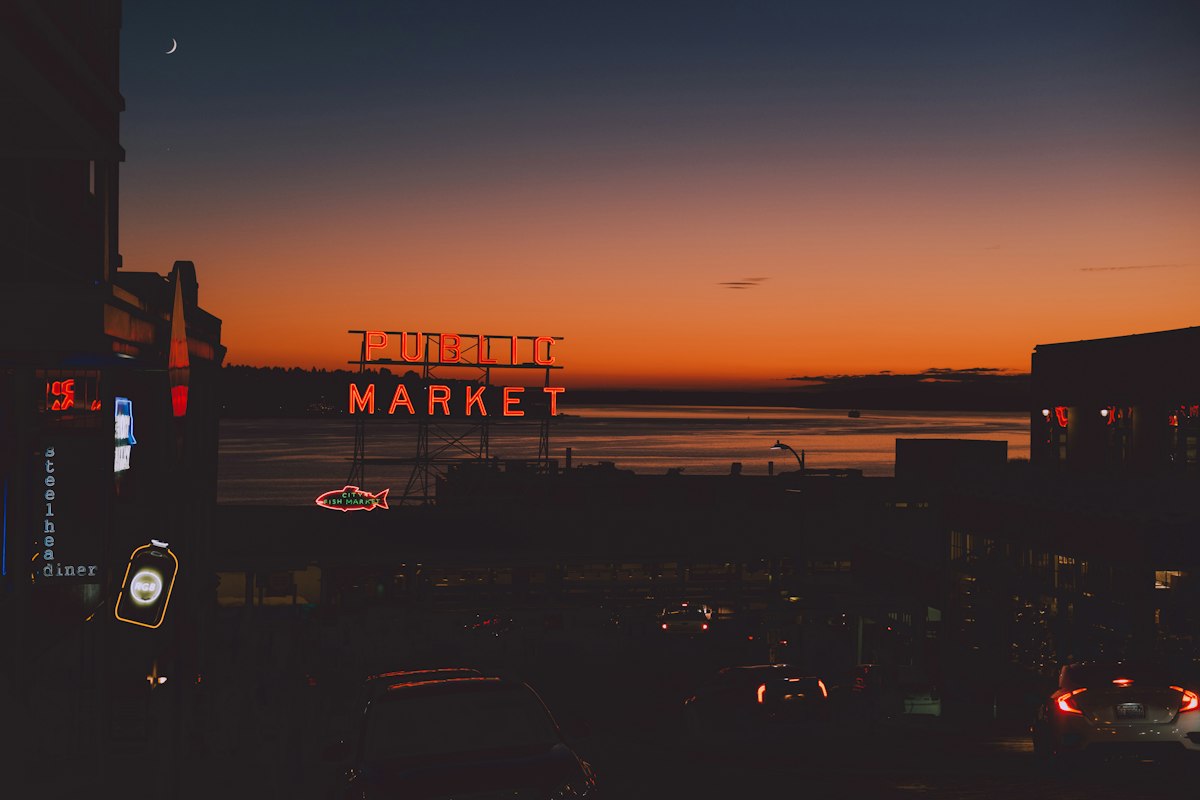
Night Market Alley works best when you treat it as a slow food crawl rather than a single restaurant stop. The stalls are close together, the portions are small enough to share, and the atmosphere changes as the evening fills.
It is not a polished dining room. It is a lively, slightly chaotic place where the best meal often comes from trying several small things instead of ordering one large plate.
What to Eat
Look for food that is being cooked in front of you. Grilled skewers, fried snacks, and fresh noodle dishes are usually the safest places to start.
If a stall has a long local queue, join it. A busy stall usually means fast turnover and ingredients that have not been sitting out for long.
How to Order
Menus are often short or written only in Indonesian. Pointing, smiling, and asking the price before ordering are all acceptable.
Carry small bills. Many vendors appreciate exact change, especially when the line is moving quickly.
Prices and Portions
Most dishes are inexpensive, and portion sizes are built for trying multiple stalls. You can assemble a varied dinner for far less than a cafe meal in the same area.
Set a loose budget, but do not overthink every item. A few coins of flexibility makes the evening more enjoyable.
Seating and Timing
Seating can be limited, and the best stalls attract the longest lines. Arrive early if you want to move through without waiting, or accept the crowd and use the wait to watch what other people are ordering.
The market usually gets busier after sunset. If you prefer a calmer first pass, go just before the evening peak.
Drinks and Dessert
Do not skip the drinks. Fresh juice, iced tea, or a cold coconut can reset your palate between savory plates.
For dessert, look for something sweet and simple near the end of the alley. Fried banana, sweet rice, or a chilled drink all work well after a heavy meal.
Getting There
Ride-hailing can be difficult when the surrounding streets are crowded. If you are staying nearby, walking is often easier.
If you ride a scooter, park in a well-lit area and lock the helmet. If you take a car, expect to walk the last short stretch.
Common Mistakes
The most common mistake is eating too much at the first stall. Pace yourself, share when possible, and leave space for the foods that look best later in the route.
Another mistake is arriving so late that the best vendors have sold out. A little planning keeps the visit from feeling rushed.
Vegetarian travelers can usually find enough to eat, but labels are not always clear. Ask whether a sauce contains shrimp paste or fish sauce before ordering.
Watch how vendors handle ingredients and keep hot food hot. If a stall looks empty, dirty, or disorganized, it is fine to move to the next one.
A practical route is to walk the alley once before ordering. Note the busiest stalls, then return to the ones that match your appetite.
If you are unsure about a dish, ask what is inside before ordering. A short question can prevent an unexpected chili level or an ingredient you do not eat.
The market can feel overwhelming at first because the smells, heat, and movement arrive all at once. Give yourself ten minutes to walk the length of the alley before making any choices.
Sharing is the best strategy for a first visit. Two or three people can taste far more dishes than one person can finish alone, and the total cost remains low.
The market also gives you a better sense of local rhythm than a restaurant menu. You see what is in season, how food is wrapped, and which dishes people order repeatedly.
If you want to avoid the largest crowd, visit just as the stalls are setting up. You may have fewer choices, but the walk is easier and the vendors have more time to answer questions.
Keep a small pack of tissues or wet wipes with you. Not every stall has napkins, and street food can be messy even when it is excellent.
Take your time with unfamiliar dishes, but do not let the heat or crowd push you into ordering everything at once. A good order pattern is one grilled item, one noodle or rice dish, and one cold drink before deciding what else you want. If a vendor offers a sample, accept it and ask how the dish is usually eaten. At the end of the route, look back over the stalls you skipped; the best meal is often the one you almost missed.
Keep your bag in front of you and avoid holding too many containers at once. The alley is narrow, and a full table can appear suddenly between two busy stalls.
For more food and neighborhood context, see the Bali guide and the Canggu guide.