
I've spent significant time in both Bali and Da Nang. They both have beaches, they both attract remote workers, and they both offer tropical escapes. But they feel fundamentally different in ways that changed how I think about where to base myself.
First Impressions of Da Nang
Arriving in Da Nang felt like stepping into a different version of Southeast Asia. The city is modern, clean, and surprisingly organized. Where Bali feels like it's constantly managing its popularity, Da Nang doesn't seem to know it's a destination yet.
The first thing I noticed was the beach. My Khe Beach runs for miles, and at 6 AM, I had it almost to myself. The sand was clean, the water was warm, and the only other people were locals doing tai chi by the shore.
In contrast, my first morning in Canggu (Bali's digital nomad hub) involved navigating around influencer photo shoots, yoga class music, and cafe queues.
Beach Life Without the Chaos
Da Nang's beach culture is refreshingly uncomplicated. You go to the beach to be at the beach. There's no pressure to Instagram your location or find the perfect angle for a drone shot.
The beachfront promenade stretches for kilometers and is perfect for evening walks. Street vendors sell corn and fresh coconut, locals exercise in the open-air gyms, and the whole atmosphere feels genuinely local rather than tourist-constructed.
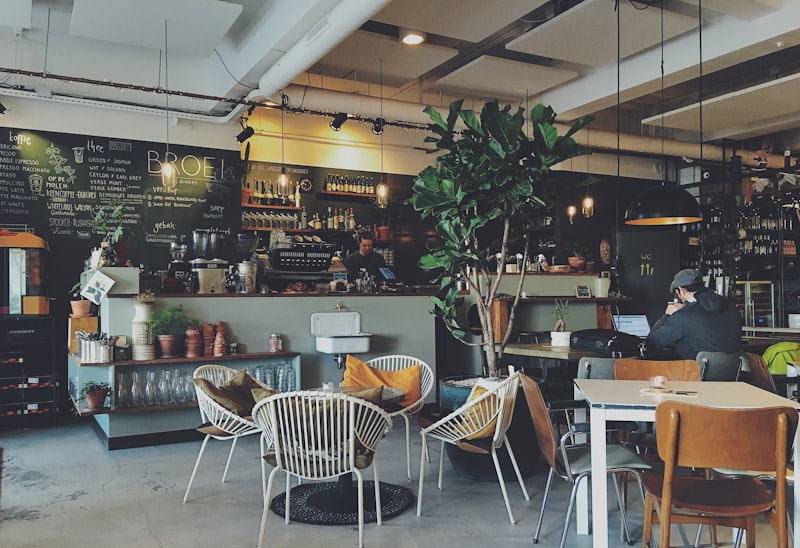
My Khe Beach specifically became my morning ritual. I'd wake up, walk to the beach, swim for 20 minutes, then head to a nearby cafe to start work. In Bali, this simple routine would have involved planning around peak traffic, finding parking, and navigating crowds.
Daily Cost of Living
Here's where Da Nang wins decisively for budget-conscious nomads:
A decent one-bedroom apartment near the beach costs $300-400 per month. In Bali's Canggu or Ubud, the same would cost $800-1,200.
Local food in Da Nang averages $1-2 per meal. Excellent banh mi sandwiches cost 25,000-35,000 dong ($1-1.50). In Bali, similar local food costs are harder to find outside of specific warungs.
My monthly expenses in Da Nang came to around $900-1,100. In Bali, even being careful, I spent $1,500-2,000.
Best Areas to Stay
Da Nang is more spread out than Bali, so location matters more.
For nomads, I recommend My Khe (near the beach) or An Thuong ( foreigner-friendly area with good cafes). Both have everything you need within walking distance.
Avoid staying too far from the beach area. The city center is interesting but less convenient for daily life as a nomad.
Work-Life Balance Here
What surprised me most was how much easier it was to maintain a sustainable routine in Da Nang. The city simply doesn't offer as many distractions competing for your attention.
No famous rice terraces within 30 minutes (those are in Bali). No instagram-famous cafes designed for photos. No yoga retreats or spiritual retreats on every corner.
This sounds like a negative, but for work-focused travel, it's liberating. There's nothing to feel guilty about skipping because the FOMO triggers are minimal.
Who Would Love Da Nang? Da Nang is perfect for you if:
- You want a peaceful base for focused work
- Budget is a significant consideration
- You're tired of "digital nomad scenes" and want something more local
- Beach access matters to you
- You don't need constant entertainment options
- You need an established coworking community
- Nightlife is important
- You want to build a long-term social circle with other nomads
- You need frequent international flight connections
- You need lots of English signage and tourist infrastructure